

A sore throat is one of the most common health problems people experience. It can make swallowing painful, change your voice, and make everyday activities uncomfortable. Most sore throats are not serious. Many improve within a few days with simple care at home.
However, a sore throat can happen for many different reasons. It may come from a common cold, flu, allergies, acid reflux, dry air, or a bacterial infection like strep throat. The challenge is knowing what is causing your throat pain and what treatment actually helps. This complete guide explains everything you need to know about sore throat causes, symptoms, treatment options, home remedies, contagious periods, and when medical care is needed.
What Is a Sore Throat?
A sore throat is pain, irritation, or inflammation in the throat that can cause discomfort when swallowing, talking, or resting. It usually happens because of infections, allergies, acid reflux, dryness, or irritation. Most sore throats improve within a few days, but some may need medical treatment.
A sore throat means your throat tissues become irritated or inflamed. The medical term for throat inflammation is pharyngitis. Your throat contains sensitive tissues that help with breathing, swallowing, and speaking. When these tissues become irritated, you may feel:
- Pain or scratchiness in your throat
- Burning sensation
- Dryness
- Trouble swallowing
- Hoarse voice
- Swollen glands in your neck
- Redness inside the throat
A sore throat is a symptom, not a disease itself. This means the throat pain is usually a sign that something else is affecting your body. For example:
- A virus may trigger inflammation during a cold.
- Bacteria may cause an infection like strep throat.
- Allergies may irritate the throat because of mucus drainage.
- Acid reflux may damage and irritate throat tissues.
Understanding the cause helps you choose the right treatment.
How Common Is a Sore Throat?
Sore throat is extremely common in children and adults. Most people experience several episodes throughout their lives, especially during cold and flu seasons. Common situations that increase your risk include:
- Being around someone with an infection
- Spending time in crowded places
- Seasonal allergies
- Dry indoor air
- Smoking or secondhand smoke exposure
- Acid reflux problems
- Overusing your voice
In many cases, a sore throat improves naturally without prescription medicine. However, some symptoms suggest a more serious infection that needs medical attention.
What Causes a Sore Throat?
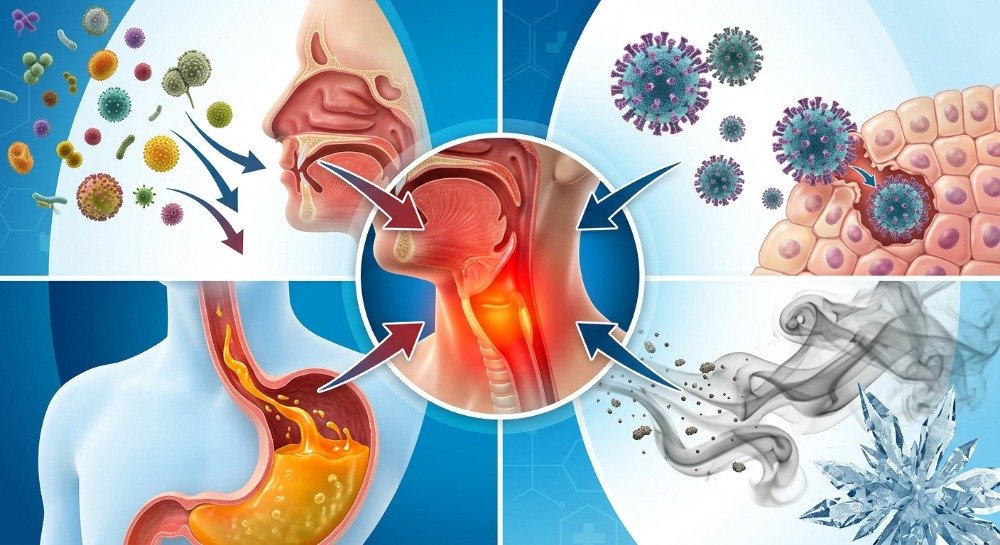
A sore throat can develop for many reasons. The most common causes include infections, allergies, irritation, and digestive problems. Let’s look at each cause in detail.
1. Viral Infections (Most Common Cause)
Viruses are the leading cause of sore throats. Many common illnesses can irritate your throat, including:
- Common cold
- Flu (influenza)
- COVID-19
- Other respiratory viruses
When a virus enters your body, your immune system responds. This response can cause inflammation in your throat, leading to pain and irritation.
Common signs of a viral sore throat include:
- Cough
- Runny nose
- Sneezing
- Mild fever
- Body aches
- Fatigue
- Hoarse voice
A viral sore throat usually improves on its own within several days. Antibiotics do not work against viruses because antibiotics only target bacteria.
2. Strep Throat and Other Bacterial Infections
A bacterial infection can also cause throat pain. The most common bacterial cause is Group A Streptococcus, often called strep throat. Strep throat is more common in children but can affect adults. Unlike many viral infections, strep throat often causes:
- Sudden throat pain
- Painful swallowing
- Fever
- Swollen lymph nodes
- Red and swollen tonsils
- White patches on tonsils
Many people with strep throat do not have a cough. This is one reason a sore throat without coughing may need closer attention. A healthcare professional can confirm strep throat with a rapid strep test or throat culture. If confirmed, antibiotics may be prescribed to treat the infection and reduce complications.
3. Allergies
Allergies can also cause a sore throat. When you have allergies, your body reacts to substances such as:
- Pollen
- Dust
- Pet dander
- Mold
Allergies often increase mucus production. This mucus can drip down the back of your throat, causing irritation. This condition is called postnasal drip.
Allergy-related sore throat may include:
- Scratchy throat
- Sneezing
- Itchy eyes
- Runny nose
- Clear mucus
- No fever
Unlike infections, allergies usually do not cause body aches or high fever.
4. Acid Reflux and Silent Reflux
Acid reflux happens when stomach acid moves upward into the esophagus. Sometimes, acid can reach the throat and irritate sensitive tissues. This condition is often called laryngopharyngeal reflux (LPR) or silent reflux. People with reflux-related throat irritation may notice:
- Sore throat in the morning
- Feeling of a lump in the throat
- Hoarse voice
- Frequent throat clearing
- Dry cough
Many people do not feel traditional heartburn, which is why it can be difficult to recognize.
5. Environmental Irritants
Your throat can become irritated without an infection. Common triggers include:
- Smoke
- Air pollution
- Strong smells
- Dry air
- Chemical fumes
- Excessive talking or shouting
These causes usually improve when the irritation is removed.
Related Guide: Best OTC Pain Relievers for Menstrual Cramps
What Causes a Sudden Sore Throat Without a Cough?
A sudden sore throat without a cough can happen for several reasons. Many people assume that no cough means they have strep throat. However, that is not always true. A sore throat without coughing may be caused by:
Strep Throat
Strep throat often causes:
- Sudden throat pain
- Fever
- Pain when swallowing
- Swollen tonsils
- White patches
- Tender neck glands
A lack of cough is one clue that doctors consider when checking for strep.
Early Viral Infection
Sometimes a viral infection starts with throat pain before other symptoms appear. You may develop:
- Cough
- Runny nose
- Fever
a day or two later.
Allergies or Postnasal Drip
Mucus dripping down the throat can create irritation without causing coughing. You may also notice:
- Sneezing
- Itchy eyes
- Nasal congestion
Acid Reflux
A sudden sore throat may happen after acid reaches the throat, especially:
- After a heavy meal
- After lying down soon after eating
- After waking up
Dry Air or Throat Irritation
Sleeping in dry air or breathing through your mouth can dry your throat. This may cause:
- Morning throat pain
- Scratchiness
- Mild discomfort
When Should You Be Concerned About a Sore Throat Without a Cough?
Seek medical advice if you have:
- Severe throat pain
- Difficulty swallowing liquids
- Trouble breathing
- High fever
- White patches on tonsils
- Swollen neck glands
- Symptoms lasting longer than a week
These signs may require further evaluation.
How Do I Know If My Sore Throat Is Viral, Bacterial (Strep), or Just Allergies?
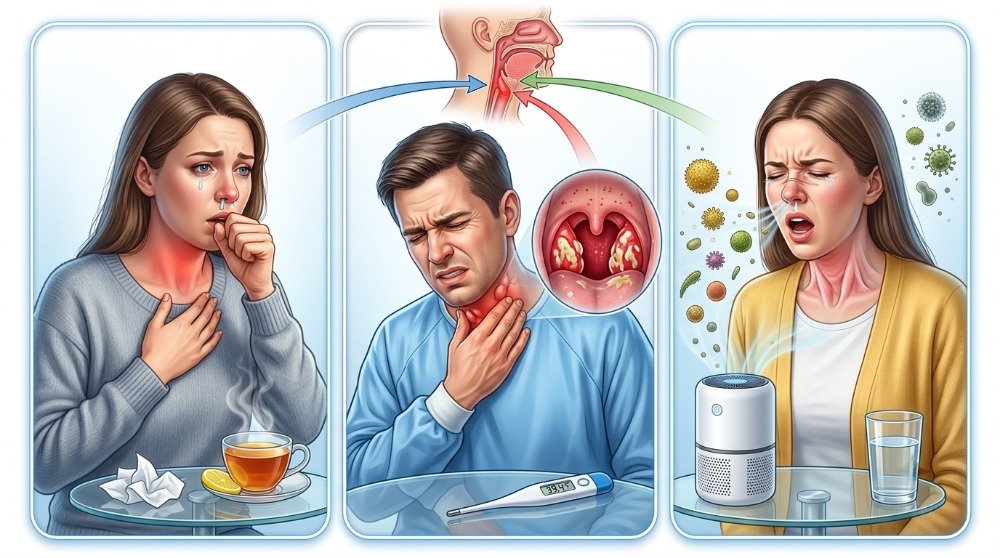
A sore throat can feel the same in many conditions, but the cause may be different. A viral infection, bacterial infection, and allergies often have different patterns. Understanding these differences can help you decide what steps to take next. However, symptoms alone cannot always confirm the exact cause. A healthcare professional may need to perform a test, especially if strep throat is suspected. Here is a simple comparison:
| Symptom | Viral Sore Throat | Strep Throat (Bacterial) | Allergy-Related Sore Throat |
| Throat pain | Common | Common and often sudden | Mild to moderate |
| Cough | Often present | Usually absent | Sometimes present |
| Fever | Sometimes | Common | Rare |
| Runny nose | Common | Less common | Very common |
| Sneezing | Possible | Rare | Common |
| Body aches | Possible | Common | Rare |
| White spots on tonsils | Sometimes | Common | Uncommon |
| Swollen lymph nodes | Possible | Common | Less common |
| Itchy eyes | Rare | No | Common |
Signs of a Viral Sore Throat
A viral sore throat is the most common type. It often appears with other cold or flu symptoms. Common signs include:
- Cough
- Runny nose
- Sneezing
- Mild fever
- Tiredness
- Hoarse voice
- Body aches
Most viral sore throats improve with rest, fluids, and symptom relief. Antibiotics are not helpful because they do not kill viruses.
Signs of Strep Throat
Strep throat is caused by bacteria and may require antibiotic treatment. Common symptoms include:
- Sudden severe throat pain
- Pain while swallowing
- Fever
- Red and swollen tonsils
- White spots or pus on tonsils
- Swollen and painful neck glands
- Headache
- Body aches
A key difference is that strep throat usually does not cause a cough. However, you cannot diagnose strep throat only by looking at symptoms. A doctor may recommend a rapid strep test or throat culture to confirm the infection.
Signs Your Sore Throat May Be from Allergies
Allergy-related throat irritation often comes with nasal symptoms. Common signs include:
- Sneezing
- Itchy eyes
- Clear runny nose
- Throat clearing
- Mucus dripping down the throat
- Scratchy throat
Allergy symptoms often continue as long as you are exposed to the trigger. For example, pollen allergies may worsen during certain seasons.
What Does a Sore Throat with White Spots on the Tonsils Mean?
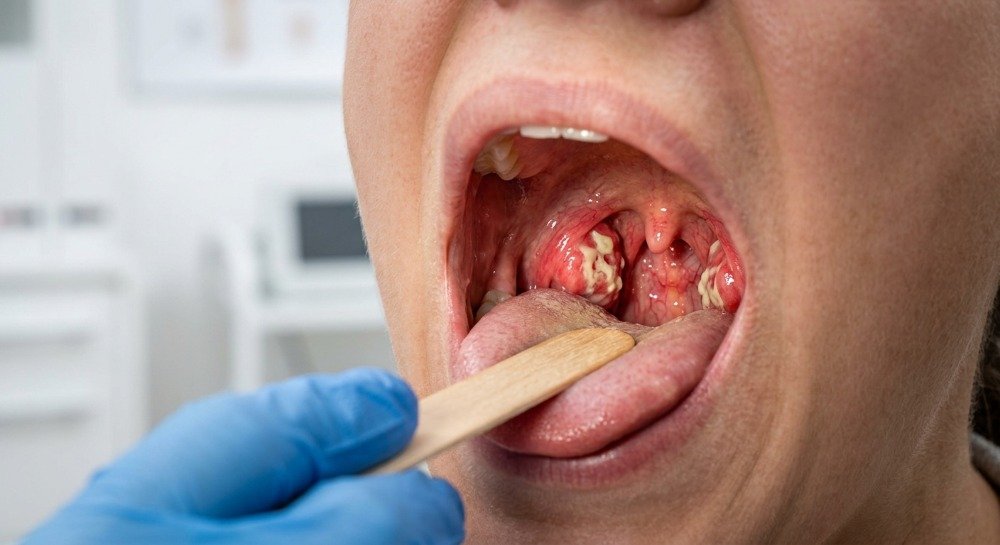
Seeing white spots on your tonsils can be worrying. White spots do not always mean you have a serious infection. Several conditions can cause them. Possible causes include:
1. Strep Throat
Strep throat is one of the most common reasons for white patches on tonsils. Other symptoms may include:
- Fever
- Severe throat pain
- Difficulty swallowing
- Swollen lymph nodes
- Red tonsils
Because untreated strep throat can sometimes lead to complications, testing is often recommended.
2. Tonsillitis
Tonsillitis means inflammation of the tonsils. It can be caused by viruses or bacteria. Symptoms may include:
- Swollen tonsils
- Throat pain
- White patches
- Fever
- Bad breath
- Difficulty swallowing
Treatment depends on the cause. Viral tonsillitis usually improves with supportive care, while bacterial tonsillitis may require antibiotics.
3. Tonsil Stones
Tonsil stones are small, hard deposits that form inside tonsil openings. They are made from trapped:
- Food particles
- Bacteria
- Dead cells
- Mucus
They may look like white spots. Common signs include:
- Bad breath
- Feeling something stuck in the throat
- Small white or yellow spots
Tonsil stones are usually harmless but can be uncomfortable.
4. Other Causes
Less commonly, white spots may occur due to other infections or conditions. If white patches appear with severe pain, fever, or swollen glands, it is best to get medical advice.

Can Acid Reflux Cause You to Wake Up with a Sore Throat Every Morning?
Yes, acid reflux can cause a sore throat, especially in the morning. Many people experience throat irritations after sleeping because stomach contents can move upward while lying down. A type of reflux called laryngopharyngeal reflux (LPR) can affect the throat without causing typical heartburn. This is why some people have throat symptoms but do not realize reflux is the cause.
Signs Your Morning Sore Throat May Be from Acid Reflux
You may notice:
- Sore throat after waking up
- Dry or irritated throat
- Hoarse voice in the morning
- Frequent throat clearing
- Feeling of a lump in your throat
- Bitter taste in your mouth
- Chronic cough
How to Reduce Reflux-Related Throat Irritation?
Helpful lifestyle changes include:
Avoid Eating Late at Night
Try not to eat large meals close to bedtime. Give your body time to digest before lying down.
Raise Your Head While Sleeping
Keeping your upper body slightly elevated may reduce acid movement during sleep.
Limit Common Trigger Foods
Some foods may worsen reflux symptoms, including:
- Spicy foods
- Fatty meals
- Chocolate
- Caffeine
- Alcohol
- Acidic foods
Triggers are different for everyone, so notice which foods affect you.
Maintain a Healthy Eating Routine
Eating smaller meals and avoiding overeating can reduce pressure on the stomach.

What Is the Fastest Way to Cure a Sore Throat at Home?
The fastest way to feel better depends on the cause of your sore throat. A viral sore throat usually improves with time, but several home treatments can reduce discomfort.
1. Drink Plenty of Fluids
Keeping your throat moist can reduce irritation. Good options include:
- Water
- Warm tea
- Broth
- Warm lemon water
Avoid dehydration because it can make throat pain worse.
2. Use Honey for Relief
Honey can help soothe throat irritation. It may reduce coughing and provide a coating effect that makes the throat feel more comfortable. However, honey should not be given to children under 1-year-old.
3. Gargle with Warm Salt Water
Salt water gargling may help reduce throat discomfort. It can:
- Soothe irritation
- Reduce swelling
- Remove mucus
It does not replace medical treatment for bacterial infections.
4. Use a Humidifier
Dry air can make throat pain worse. A humidifier adds moisture to the air and may help reduce dryness. Clean the humidifier regularly to prevent bacteria and mold growth.
5. Rest Your Voice
Talking too much can increase throat irritation. Give your voice time to recover.
6. Avoid Throat Irritants
Try to avoid:
- Smoking
- Secondhand smoke
- Strong chemical smells
- Very dry environments
These can slow recovery.
Does Salt Water Gargling Actually Kill Bacteria in a Sore Throat?
Salt water gargling is a popular home remedy, but it is important to understand what it can and cannot do. Salt water does not work like an antibiotic. It does not completely kill a bacterial throat infection such as strep throat. However, it may help by:
- Reducing throat irritation
- Loosening mucus
- Decreasing swelling
- Making swallowing more comfortable
For many people, it provides temporary relief. A simple mixture is:
- Half a teaspoon of salt
- One cup of warm water
Gargle for several seconds and then spit it out. Do not swallow the salt water.

What Over-the-Counter (OTC) Medicines Work Best for Severe Throat Pain?
OTC medicines can help reduce pain and make swallowing easier. Common options include:
1. Acetaminophen (Tylenol)
Acetaminophen may help reduce:
- Throat pain
- Fever
- General discomfort
Follow the package instructions carefully.
2. Ibuprofen (Advil, Motrin)
Ibuprofen is a nonsteroidal anti-inflammatory drug (NSAID). It may help with:
- Pain
- Inflammation
- Fever
People with certain health conditions, such as some stomach, kidney, or bleeding problems, should ask a healthcare professional before using NSAIDs.
3. Throat Lozenges
Lozenges can provide temporary soothing relief. They may help by:
- Increasing saliva production
- Reducing dryness
- Calming irritation
4. Throat Sprays
Some throat sprays contain ingredients that temporarily numb throat discomfort. Use them only as directed on the label.
Important Safety Note
OTC medicines can reduce symptoms, but they do not treat every cause of sore throat. You may need medical care if you have:
- Severe symptoms
- Difficulty breathing
- Trouble swallowing
- High fever
- Symptoms lasting more than a week
- Signs of strep throat
Should I Drink Hot Tea or Eat Cold Ice Cream for an Inflamed Throat?
One of the most common questions people ask is whether warm drinks or cold foods work better for a sore throat. The answer is simple:
Both can help, but the best choice depends on what feels most comfortable for you.
Some people find that a warm drink relaxes the throat and makes swallowing easier. Others prefer something cold because it temporarily numbs the pain and reduces irritation. There is no single option that works for everyone.
1. Benefits of Warm Drinks
Warm liquids can help soothe irritated throat tissues and keep your throat moist. Good choices include:
- Warm herbal tea
- Warm water with honey and lemon
- Warm broth
- Warm water
Warm drinks may also help loosen mucus, making your throat feel less congested. If you choose tea, avoid making it extremely hot. Very hot drinks may further irritate already inflamed tissues.
Tip: If your sore throat is caused by a cold or flu, staying hydrated is just as important as choosing the right drink.
2. Benefits of Cold Foods
Cold foods can provide temporary pain relief by numbing the throat. Many people find comfort in:
- Ice chips
- Ice pops
- Frozen fruit bars
- Cold yogurt
- Ice cream (in moderation)
Cold foods may be especially helpful if swallowing is painful. However, sugary foods like ice cream should not replace nutritious meals or fluids during recovery.
Which Option Is Better?
There is no medical evidence that warm tea heals a sore throat faster than cold foods, or vice versa.
Instead, choose whichever option helps you:
- Stay hydrated
- Eat comfortably
- Reduce throat pain
Many people actually benefit from using both throughout the day. For example:
- Warm tea in the morning
- Cold ice pops in the afternoon
- Warm soup at dinner
The goal is to keep your throat comfortable while your body heals.
How Long Is a Sore Throat Contagious?
Whether a sore throat is contagious depends on what caused it. Some sore throats spread easily from person to person, while others are not contagious at all. Understanding the cause can help you protect your family, friends, and coworkers.
If Your Sore Throat Is Caused by a Virus
Viral infections are the most common cause of sore throats. These viruses spread through:
- Coughing
- Sneezing
- Talking
- Close personal contact
- Touching contaminated surfaces and then touching your face
You are often most contagious during the first few days of illness, even before symptoms fully develop. Many viral infections remain contagious while symptoms are active, although the exact timeline depends on the specific virus. Practicing good hygiene can reduce the risk of spreading the infection.
If Your Sore Throat Is Caused by Strep Throat
Strep throat is caused by Group A Streptococcus bacteria. Without treatment, a person with strep throat can remain contagious for longer than someone who starts appropriate antibiotic treatment. Once antibiotics have been started and you no longer have a fever, the risk of spreading the infection drops significantly.
It is still important to follow your healthcare provider’s instructions and complete the full course of antibiotics, even if you start feeling better after a few days. Stopping antibiotics early may allow the infection to return and contributes to antibiotic resistance.
If Your Sore Throat Is Caused by Allergies
An allergy-related sore throat is not contagious. You cannot spread allergies to another person.If your symptoms include:
- Sneezing
- Itchy eyes
- Clear runny nose
- Scratchy throat
without fever or signs of infection, allergies may be the cause.
If Acid Reflux Is Causing Your Sore Throat
A sore throat caused by acid reflux is also not contagious. The discomfort comes from stomach acid irritating the throat rather than from an infection. Treating the underlying reflux often improves the throat symptoms.
How Can I Prevent Spreading a Sore Throat?
If your sore throat is caused by an infection, taking simple precautions can help protect others.
Wash Your Hands Frequently
Soap and water remain one of the best ways to reduce the spread of germs. Wash your hands after:
- Coughing
- Sneezing
- Blowing your nose
- Touching shared surfaces
Cover Your Mouth and Nose
Use a tissue or your elbow when coughing or sneezing. Throw used tissues away immediately and wash your hands afterward.
Avoid Sharing Personal Items
Do not share:
- Drinking glasses
- Water bottles
- Eating utensils
- Toothbrushes
- Lip balm
These items can spread infectious germs.
Stay Home if You Feel Sick
If you have a fever or feel unwell, staying home helps protect coworkers, classmates, and others. Returning too early increases the chance of spreading the illness.
If I Take Antibiotics for Strep Throat, When Am I Safe to Return to Work or School?
Many people worry about when they can safely return to normal activities after being diagnosed with strep throat. In general, people with confirmed strep throat are usually considered much less likely to spread the infection after they have been on appropriate antibiotics for at least 24 hours, provided their fever has resolved and they feel well enough to return to normal activities.
However, everyone’s recovery is different. Some people continue to feel tired or have throat pain for another day or two. It is reasonable to return only when you can comfortably:
- Swallow food and fluids
- Complete your daily activities
- Manage your symptoms without significant discomfort
If your job involves caring for vulnerable people, such as in healthcare or childcare settings, follow your workplace policies and your healthcare provider’s advice before returning.
Can a Sore Throat Pass on Its Own Without Medicine?
Yes. In many cases, a sore throat improves without prescription medicine. Most sore throats are caused by viral infections, which usually get better as your immune system clears the virus. During this time, supportive care is often enough. This includes:
- Getting plenty of rest
- Drinking fluids
- Eating soft foods
- Using throat lozenges if appropriate
- Taking OTC pain relievers when needed
- Gargling with warm salt water
Many people notice steady improvement over several days.
When Home Care May Be Enough
Home treatment is often appropriate if:
- Your symptoms are mild
- You can swallow fluids
- You do not have trouble breathing
- Your fever is absent or low-grade
- Symptoms gradually improve
Continue to monitor your condition. If symptoms become worse instead of better, medical evaluation is recommended.
When Medicine May Be Necessary
Some sore throats require professional medical care. Examples include:
- Confirmed strep throat
- Severe bacterial infections
- Significant dehydration
- Persistent high fever
- Difficulty swallowing saliva
- Trouble breathing
- Symptoms lasting longer than expected without improvement
Prescription medicines, including antibiotics, should only be used when recommended by a qualified healthcare professional. Taking antibiotics for a viral sore throat will not speed recovery and may expose you to unnecessary side effects.

When Should You See a Doctor for a Sore Throat?
Most sore throats improve without serious problems, but some symptoms should never be ignored. Seek medical care promptly if you experience:
- Difficulty breathing
- Trouble swallowing saliva
- Severe swelling of the throat or neck
- High fever that does not improve
- White patches on the tonsils with fever and severe pain
- A sore throat lasting longer than one week without improvement
- Persistent hoarseness lasting more than two weeks
- A rash along with a sore throat
- Signs of dehydration, such as dizziness or very dark urine
Young children, older adults, pregnant individuals, and people with weakened immune systems may need earlier medical assessment if symptoms are severe or worsening.
A Simple Decision Guide
Use this checklist to help decide your next step.
✓ Home Care May Be Appropriate If:
- Your sore throat is mild.
- You can drink fluids normally.
- You have cold-like symptoms that are improving.
- Your symptoms have lasted only a few days.
- You do not have difficulty breathing or swallowing.
📞 Contact a Healthcare Professional If:
- Your throat pain is severe.
- You develop a high fever.
- You notice white patches on your tonsils.
- Swollen neck glands become very painful.
- Symptoms are getting worse instead of better.
- You think you may have strep throat.
🚨 Seek Emergency Care Immediately If:
- You have difficulty breathing.
- You cannot swallow saliva.
- Your throat swelling is rapidly increasing.
- You have severe dehydration or confusion.
Sore Throat Recovery Timeline: What to Expect Day by Day
One of the biggest concerns people have is, “How long will my sore throat last?” The answer depends on the cause. A mild viral sore throat often improves within a few days, while bacterial infections like strep throat may require treatment before symptoms begin to ease.
The timeline below is a general guide. Recovery may be faster or slower depending on your age, overall health, and the underlying cause.
| Time | What You May Experience |
| Day 1 | Scratchy throat, mild pain, or irritation. Some people also notice tiredness or a runny nose. |
| Day 2–3 | Pain may become worse before it starts improving. Swallowing can feel uncomfortable. |
| Day 3–5 | Many viral sore throats begin to improve. Drinking fluids and resting can help recovery. |
| Day 5–7 | Most mild viral infections continue to get better. Lingering throat dryness or a mild cough may remain. |
| After 7 Days | If your sore throat is not improving or becomes worse, it is time to contact a healthcare professional. |
If you have strep throat, symptoms often begin to improve within 24 to 48 hours after starting the correct antibiotic treatment. Even if you feel better quickly, it is important to finish the full course of medicine as prescribed.
How Can You Help Your Throat Heal Faster?
There is no instant cure for a sore throat. Your body needs time to recover. However, these healthy habits can make you more comfortable while healing.
Stay Well Hydrated
Water helps keep your throat moist and supports your body’s natural healing process. If plain water is difficult to swallow, try:
- Warm broth
- Herbal tea
- Ice chips
- Diluted fruit juice
Get Enough Rest
Your immune system works best when your body is well rested. If possible:
- Sleep a little longer
- Avoid strenuous activities
- Give your body time to recover
Eat Soft Foods
Choose foods that are easy to swallow, such as:
- Soup
- Oatmeal
- Yogurt
- Mashed potatoes
- Smoothies
- Scrambled eggs
Avoid foods that are spicy, very crunchy, or highly acidic if they make your throat hurt more.
Avoid Smoking and Vaping
Tobacco smoke and vaping products can irritate your throat and slow healing.
If you smoke, consider avoiding it while you recover. Also, try to stay away from secondhand smoke whenever possible.
Can You Prevent a Sore Throat?
Not every sore throat can be prevented, but healthy habits can lower your risk.
Wash Your Hands Often
Many viruses spread through hand contact. Wash your hands:
- Before eating
- After coughing or sneezing
- After touching public surfaces
Avoid Close Contact with Sick People
If someone around you has a respiratory infection, try to:
- Keep a safe distance
- Avoid sharing drinks or utensils
- Wash your hands regularly
Keep Your Immune System Healthy
Healthy daily habits support your immune system. These include:
- Eating a balanced diet
- Staying physically active
- Sleeping 7–9 hours each night
- Managing stress
- Drinking enough water
Manage Allergies and Acid Reflux
If allergies or acid reflux often cause throat irritation, work with your healthcare provider to manage these conditions. Treating the underlying problem may reduce repeated sore throats.
Common Sore Throat Myths Vs Facts
Many home remedies and health tips are shared online. Some are helpful, while others are not supported by evidence. Let’s separate fact from fiction.
| Myth | Fact |
| Every sore throat needs antibiotics. | Most sore throats are caused by viruses and do not improve with antibiotics. |
| White spots always mean strep throat. | White spots can also occur with viral infections, tonsillitis, or tonsil stones. |
| A sore throat without a fever is never serious. | Some conditions, including allergies, reflux, or early infections, may cause throat pain without fever. |
| Salt water gargling cures bacterial infections. | Gargling may soothe symptoms, but it does not replace antibiotics when they are medically necessary. |
| Ice cream always makes a sore throat worse. | Cold foods may actually help reduce pain for some people. |
Knowing the facts can help you make better decisions about your health.
Frequently Asked Questions
Can stress cause a sore throat?
Stress does not directly cause a sore throat, but it may weaken your immune response or contribute to habits like throat clearing, dehydration, or acid reflux that can irritate the throat.
Is it normal to have a sore throat without a fever?
Yes. Allergies, acid reflux, dry air, and some viral infections may cause a sore throat without a fever.
Why does my throat hurt more in the morning?
Morning throat pain is often linked to dry air, mouth breathing, snoring, or acid reflux during sleep.
Can dehydration make a sore throat worse?
Yes. When your throat becomes dry, irritation and discomfort often increase. Drinking enough fluids helps keep throat tissues moist.
Should I exercise if I have a sore throat?
If your symptoms are mild and limited to your throat or nose, light activity may be acceptable. However, if you have a fever, body aches, or feel very tired, it is usually better to rest until you recover.
Can children and adults have different sore throat symptoms?
Yes. Children are more likely to develop fever, swollen lymph nodes, stomach pain, or vomiting with strep throat. Adults may have milder symptoms but still need medical evaluation if symptoms are severe.
Can I drink coffee with a sore throat?
Warm coffee may not be harmful for everyone, but caffeine can contribute to dehydration in some people. If coffee seems to irritate your throat, choose water or herbal tea instead.
Can I prevent strep throat?
There is no vaccine for strep throat. Good hand hygiene, avoiding close contact with infected individuals, and not sharing personal items can reduce your risk.
Key Takeaways
Before you leave, remember these important points:
- Most sore throats are caused by viral infections and improve without antibiotics.
- A sore throat with fever, swollen lymph nodes, and white patches may suggest strep throat and should be evaluated by a healthcare professional.
- Allergies, acid reflux, dry air, and irritants can also cause throat pain.
- Warm drinks, cold foods, hydration, and rest can help relieve symptoms.
- Antibiotics should only be used when prescribed for a confirmed bacterial infection.
- Seek medical care promptly if you have difficulty breathing, trouble swallowing, or symptoms that continue to worsen.
Conclusion
A sore throat is a common symptom that most people experience at some point in life. While many cases are mild and improve with home care, understanding the cause is the key to choosing the right treatment. Whether your sore throat is caused by a viral infection, strep throat, allergies, acid reflux, or environmental irritation, paying attention to your symptoms can help you decide when home remedies are enough and when medical care is needed.
Simple steps like staying hydrated, resting, avoiding irritants, and using appropriate over-the-counter pain relief can make recovery more comfortable. If your symptoms become severe, last longer than expected, or are accompanied by warning signs such as difficulty breathing, high fever, or trouble swallowing, do not delay seeking medical advice. With the right care and timely treatment when needed, most people recover fully and return to their normal activities within a short time.