

Inflammation is the body’s natural defense mechanism against injury, infection, or harmful substances. Short term inflammation helps the body heal. But chronic inflammation can silently damage healthy tissues and increase the risk of conditions such as heart disease, diabetes, arthritis, and autoimmune disorders. Managing inflammation often involves a combination of medical treatment, healthy eating, regular exercise, quality sleep, and lifestyle improvements.
Introduction
Have you ever noticed redness around a small cut, swelling after twisting your ankle, or soreness after getting sick? These are all signs that your body is working to protect itself. That protective response is called inflammation.
Most people think inflammation is always harmful, but that’s not true. In many situations, it plays an essential role in healing damaged tissues and fighting infections. Without inflammation, even a small wound could become dangerous because your immune system wouldn’t know where to send its defense cells. The problem begins when inflammation doesn’t switch off.
Instead of protecting the body for a short time, it continues for months or even years. This long-lasting inflammation may quietly damage healthy organs and tissues without causing obvious symptoms in the beginning. Over time, it has been linked to many serious health conditions, including rheumatoid arthritis, heart disease, diabetes, inflammatory bowel disease, and certain autoimmune disorders.
The encouraging news is that chronic inflammation can often be managed. Modern medicines, healthier eating habits, regular physical activity, and other lifestyle changes may help reduce inflammation and lower the risk of long-term complications. This complete guide explains what inflammation is, why it happens, how to recognize its symptoms, which anti-inflammatory medicines are commonly used, and how an anti-inflammatory diet may support your overall health.
What Is Inflammation?
Inflammation is your body’s natural response to injury, infection, or anything it considers harmful. It is controlled by the immune system, which quickly reacts whenever it detects damage or invading germs.
When tissues become injured, the immune system releases chemical messengers that increase blood flow to the affected area. White blood cells then move in to remove damaged cells, fight infection, and begin the healing process. This is why an injured area often becomes:
- Red
- Warm
- Swollen
- Tender
- Painful
These changes may seem uncomfortable, but they usually show that your body is repairing itself. In healthy situations, inflammation lasts only as long as it is needed. Once healing is complete, the immune system reduces its activity and the inflammation gradually disappears.
Problems develop when that process doesn’t stop. If the immune system continues producing inflammatory chemicals after the original problem has passed, healthy tissues may begin to suffer. This ongoing inflammation is known as chronic inflammation, and it can contribute to a wide range of long-term health conditions.
How Does Inflammation Work?
Think of inflammation as your body’s emergency response team. When an injury or infection occurs, your immune system immediately sends specialized cells to the affected area. These cells release substances that increase circulation, attract additional immune cells, and begin repairing damaged tissue.
At the same time, harmful bacteria, viruses, or damaged cells are removed so healing can begin. Once the threat has been eliminated, the immune system normally returns to its resting state. When this process functions properly, inflammation protects your health.
When it continues unnecessarily, it may begin attacking healthy tissues instead of protecting them. That is why understanding inflammation is so important. The same response that saves your body from infection can also contribute to chronic disease if it remains active for too long.
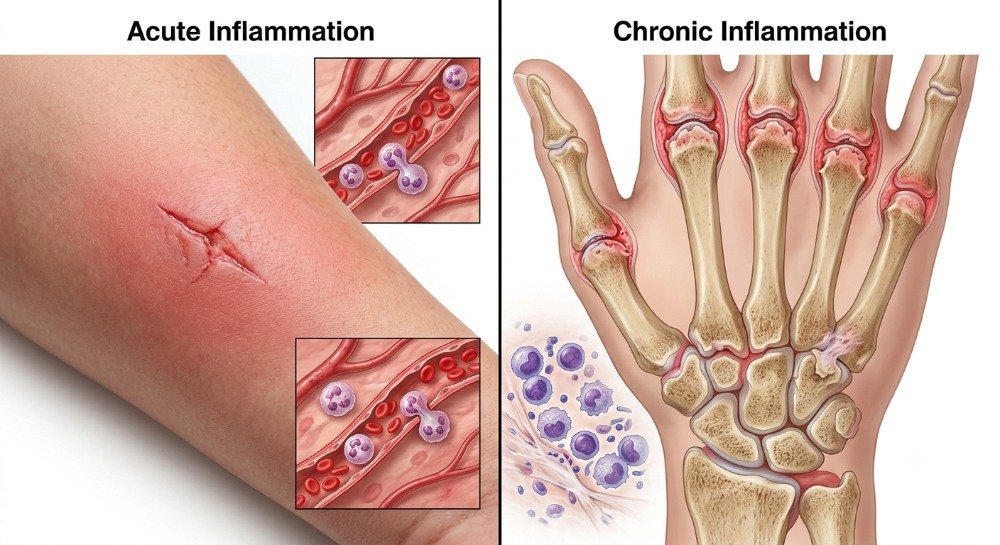
Acute vs. Chronic Inflammation
Not all inflammation is the same. Healthcare providers generally classify inflammation into acute inflammation and chronic inflammation.
| Acute Inflammation | Chronic Inflammation |
| Begins quickly after injury or infection | Develops gradually over months or years |
| Usually lasts a few days or weeks | May continue for years |
| Helps the body heal | May damage healthy tissues |
| Often causes noticeable redness, swelling, and pain | Symptoms may be mild or difficult to notice at first |
| Usually disappears after recovery | Can increase the risk of chronic diseases |
Acute inflammation is usually beneficial because it supports healing.
Chronic inflammation, however, may quietly affect multiple organs throughout the body even when no obvious injury is present.
Common Symptoms of Inflammation
The symptoms of inflammation depend on whether it is acute or chronic. Acute inflammation often produces visible signs that are easy to recognize. Chronic inflammation, on the other hand, may develop slowly and remain unnoticed for a long time. Common symptoms include:
- Redness
- Swelling
- Warmth around affected tissues
- Pain or tenderness
- Joint stiffness
- Fatigue
- Muscle aches
- Reduced movement
- Low-grade fever in some cases
People with chronic inflammation may also experience ongoing tiredness, difficulty concentrating, or general discomfort without realizing inflammation is contributing to their symptoms.
Why Is Inflammation Important?
Inflammation often receives negative attention, but it is actually one of the body’s most important protective mechanisms. Without it, wounds would heal more slowly, infections could spread more easily, and damaged tissues would struggle to repair themselves.
The goal is not to eliminate inflammation completely. The goal is to keep it balanced. Healthy inflammation protects the body. Persistent inflammation may increase the risk of disease.
Learning how inflammation works helps explain why healthcare providers focus on treating the underlying cause instead of simply relieving symptoms.
Related Guide: Rheumatoid Arthritis: Symptoms, Causes, Treatment & Home Care
What Causes Inflammation?
Inflammation doesn’t happen without a reason. In most cases, it is your body’s response to something it believes is harmful. Sometimes that “something” is an infection or an injury. In other situations, the immune system reacts to long-term health problems or unhealthy lifestyle habits.
Short-term inflammation is usually beneficial because it helps the body recover. Chronic inflammation, however, develops when the immune system stays active even after the original threat has disappeared. Over time, this continuous immune response can damage healthy tissues instead of protecting them. Several different factors can trigger inflammation, and in many people, more than one cause is involved.
Common Causes of Inflammation
Infections
Bacterial, viral, fungal, and parasitic infections are among the most common causes of acute inflammation. Once the infection has been controlled, the inflammation usually fades.
When harmful microorganisms enter the body, the immune system quickly responds by sending white blood cells to the affected area. This response helps destroy the infection and begin the healing process.
Injuries
Cuts, burns, broken bones, muscle strains, and sprains all trigger inflammation. The redness, swelling, warmth, and pain that appear after an injury are signs that your body has started repairing damaged tissue. Although these symptoms can be uncomfortable, they are often part of a normal healing process.
Autoimmune Diseases
Sometimes the immune system mistakenly attacks healthy tissues instead of harmful invaders. This abnormal immune response causes chronic inflammation and may lead to autoimmune diseases such as:
- Rheumatoid arthritis
- Lupus
- Psoriasis
- Multiple sclerosis
- Inflammatory bowel disease
These conditions usually require long-term medical treatment to control inflammation and reduce tissue damage.
Long-Term Lifestyle Factors
Not all inflammation starts with illness or injury. Certain everyday habits may contribute to low-grade chronic inflammation over time. These include:
- Smoking
- Excess body weight
- Physical inactivity
- Poor diet
- Chronic stress
- Lack of sleep
- Heavy alcohol consumption
Although these factors may seem unrelated, they can influence how the immune system functions and increase inflammation throughout the body.
Who Is More Likely to Develop Chronic Inflammation?
Anyone can experience inflammation, but some people have a higher risk of developing long-term inflammatory conditions. Risk factors include:
- Increasing age
- Obesity
- Smoking
- Diabetes
- High blood pressure
- High cholesterol
- Autoimmune diseases
- Chronic infections
- Long-term exposure to pollution
- A family history of inflammatory diseases
Having one or more risk factors does not mean chronic inflammation is inevitable, but it does make prevention and regular health checkups more important.

How Is Inflammation Diagnosed?
Inflammation itself is not a disease. Instead, it is a sign that something is happening inside the body. To identify the underlying cause, healthcare providers begin by reviewing your symptoms, medical history, medications, and lifestyle.
They then perform a physical examination and, if needed, recommend laboratory or imaging tests. The goal is to determine both whether inflammation is present and what is causing it.
Blood Tests
Several laboratory tests help measure inflammation in the body.
C-Reactive Protein (CRP)
CRP is one of the most commonly used inflammation markers. Higher CRP levels usually indicate that inflammation is active somewhere in the body. Doctors also use this test to monitor how well treatment is working.
Erythrocyte Sedimentation Rate (ESR)
The ESR test measures how quickly red blood cells settle in a test tube. A faster sedimentation rate often suggests ongoing inflammation. Although ESR cannot identify the exact cause, it provides useful information about inflammatory activity.
Complete Blood Count (CBC)
A CBC measures different types of blood cells. An elevated white blood cell count may suggest infection or inflammation, helping healthcare providers decide whether further testing is needed.
Imaging Studies
If inflammation affects joints, muscles, or internal organs, imaging tests may provide additional information. Depending on your symptoms, your healthcare provider may recommend:
- X-rays
- Ultrasound
- CT scan
- MRI
These studies help detect swelling, tissue damage, joint changes, or inflammation affecting deeper structures.
How Is Inflammation Treated?
Treatment depends entirely on the underlying cause. For example, inflammation caused by a bacterial infection may require antibiotics, while inflammation caused by rheumatoid arthritis often requires immune-modifying medications. The main goals of treatment are to:
- Reduce inflammation
- Relieve pain
- Prevent tissue damage
- Treat the underlying condition
- Improve quality of life
Many treatment plans combine medication with healthy lifestyle changes for the best long-term results.
What Is the Strongest Anti-Inflammatory Medication?
Many people search online for the strongest anti-inflammatory medication, but there is no single medicine that is considered the strongest for every situation. The best medication depends on:
- The cause of inflammation
- Its severity
- Your overall health
- Your medical history
- Possible side effects
A medicine that works well for one person may not be the safest or most effective option for another. For this reason, healthcare providers choose treatment based on the individual’s condition rather than simply prescribing the most powerful drug available.
Over-the-Counter (OTC) Anti-Inflammatory Medicines
For mild to moderate pain and inflammation, healthcare providers often recommend nonsteroidal anti-inflammatory drugs (NSAIDs). Common OTC NSAIDs include:
- Ibuprofen
- Naproxen sodium
These medicines help reduce inflammation, relieve pain, and lower fever. Although they are available without a prescription in many countries, they should still be used according to the instructions on the label or your healthcare provider’s advice.
Long-term or excessive use may increase the risk of stomach ulcers, kidney problems, bleeding, or cardiovascular complications.
Prescription Anti-Inflammatory Medicines
When inflammation is more severe or related to chronic disease, prescription medications may be necessary. Depending on the condition being treated, your healthcare provider may prescribe:
- Higher-strength NSAIDs
- Corticosteroids
- Disease-modifying antirheumatic drugs (DMARDs)
- Biologic medicines
- Targeted immune therapies
These medications are used to control inflammation more effectively but require regular medical supervision because of their potential side effects.
Before Taking Any Anti-Inflammatory Medicine
Even commonly used anti-inflammatory medicines are not suitable for everyone. Always speak with your healthcare provider before starting long-term treatment, especially if you:
- Have stomach ulcers
- Have kidney disease
- Have liver disease
- Have heart disease
- Are pregnant
- Take blood-thinning medications
- Have uncontrolled high blood pressure
Using the right medicine safely is far more important than simply choosing the strongest option.

Best Anti-Inflammatory Diet
The food you eat cannot cure inflammation, but it can influence how your body responds to it. A healthy eating pattern provides vitamins, minerals, antioxidants, and healthy fats that support the immune system and help reduce chronic inflammation. On the other hand, a diet high in processed foods, added sugars, and unhealthy fats may encourage inflammation over time.
Instead of looking for a single “superfood,” focus on building balanced meals with a variety of nutrient-rich foods. Small dietary improvements made consistently often provide better long-term results than following strict short-term diets.
Foods That May Help Reduce Inflammation
Many foods contain natural compounds that support overall health and may help lower inflammatory activity.
1. Fatty Fish
Fatty fish are one of the richest sources of omega-3 fatty acids, which have been widely studied for their anti-inflammatory properties. Good choices include:
- Salmon
- Sardines
- Mackerel
- Trout
Aim for two servings each week unless your healthcare provider recommends otherwise.
2. Colorful Fruits and Vegetables
Brightly colored fruits and vegetables contain antioxidants that help protect healthy cells from damage. Excellent choices include:
- Blueberries
- Strawberries
- Oranges
- Spinach
- Kale
- Broccoli
- Bell peppers
- Tomatoes
Eating a variety of colors helps provide a broader range of beneficial nutrients.
3. Whole Grains
Whole grains provide fiber that supports digestive health and may help reduce chronic inflammation. Choose:
- Oats
- Brown rice
- Whole wheat
- Quinoa
- Barley
Instead of refined grains whenever possible.
4. Healthy Fats
Replacing saturated fats with healthier options may benefit both heart health and inflammation. Healthy fats include:
- Olive oil
- Avocados
- Walnuts
- Almonds
- Chia seeds
- Flaxseeds
5. Beans and Legumes
Beans, lentils, and chickpeas provide plant-based protein, fiber, vitamins, and minerals while supporting healthy blood sugar levels. They also make an excellent alternative to highly processed foods.
Foods That May Increase Inflammation
Not every food affects inflammation the same way. Limiting certain foods may support better long-term health, especially when combined with an otherwise balanced diet. Try to reduce:
- Sugary drinks
- Processed snacks
- Deep-fried foods
- Refined carbohydrates
- Processed meats
- Excess alcohol
- Foods high in trans fats
Enjoying these foods occasionally is usually different from eating them every day. The overall quality of your diet matters most.
Is the Mediterranean Diet Good for Inflammation?
Among the eating patterns studied by researchers, the Mediterranean diet consistently shows the strongest evidence for supporting overall health and reducing chronic inflammation. Rather than focusing on strict rules, it encourages:
- Plenty of vegetables
- Fresh fruits
- Whole grains
- Olive oil
- Fish
- Nuts
- Legumes
- Moderate dairy intake
- Limited processed foods
Many healthcare professionals recommend this eating pattern because it also supports heart health, brain health, and healthy aging.
Lifestyle Habits That Help Reduce Inflammation
Diet is only one part of the picture. Several everyday habits work together to help keep inflammation under control.
1. Exercise Regularly
Regular physical activity supports circulation, strengthens muscles, and helps regulate the immune system. Adults should aim for at least 150 minutes of moderate exercise each week, if medically appropriate. Simple activities include:
- Walking
- Swimming
- Cycling
- Light strength training
- Stretching
The best exercise is the one you can maintain consistently.
2. Get Enough Sleep
Poor sleep has been linked to higher levels of inflammation. Most adults should aim for 7–9 hours of quality sleep each night. Helpful sleep habits include:
- Going to bed at the same time each day
- Limiting screen use before bedtime
- Keeping the bedroom cool and quiet
- Reducing caffeine late in the day
3. Manage Stress
Long-term stress may contribute to chronic inflammation by affecting hormone levels and immune function. Simple stress-management techniques include:
- Deep breathing
- Meditation
- Prayer
- Yoga
- Spending time in nature
- Reading
- Listening to relaxing music
Even ten minutes of relaxation each day can support overall well-being.
4. Avoid Smoking
Smoking damages blood vessels, increases oxidative stress, and contributes to chronic inflammation throughout the body. Quitting smoking is one of the most beneficial lifestyle changes for both inflammation and overall health.
Can Inflammation Be Prevented?
Not every cause of inflammation can be prevented. For example, inflammation caused by an injury or infection is part of the body’s natural healing response. However, many causes of chronic inflammation are influenced by lifestyle choices. Healthy habits that may lower your risk include:
- Eating a balanced diet
- Exercising regularly
- Maintaining a healthy weight
- Avoiding tobacco
- Sleeping well
- Managing stress
- Attending routine medical checkups
These habits support both immune health and long-term disease prevention.
FAQs
Is inflammation always harmful?
No. Acute inflammation is a normal part of healing and helps the body recover from injury or infection. Problems usually occur when inflammation becomes chronic and continues for long periods.
What is the strongest anti-inflammatory medication?
There is no single strongest anti-inflammatory medication for everyone. The most appropriate treatment depends on the cause of inflammation, its severity, and your overall health. Healthcare providers choose medications based on each patient’s individual needs.
What foods naturally reduce inflammation?
Foods rich in omega-3 fatty acids, vegetables, fruits, whole grains, olive oil, nuts, and legumes are commonly included in anti-inflammatory eating plans.
Can chronic inflammation be reversed?
In many cases, chronic inflammation can be reduced by treating the underlying condition and adopting healthier lifestyle habits. The outcome depends on the cause and how early treatment begins.
Should I take anti-inflammatory medicines every day?
Not unless your healthcare provider recommends it. Long-term use of some anti-inflammatory medicines may increase the risk of side effects, so they should always be used responsibly.
Conclusion
Inflammation is one of the body’s most important defense mechanisms. It helps fight infections, repair damaged tissues, and protect overall health when it occurs for a short time. However, when inflammation becomes chronic, it may silently contribute to conditions such as heart disease, diabetes, arthritis, and autoimmune disorders.
Understanding the difference between healthy and chronic inflammation allows you to make better decisions about your health. Early medical evaluation, appropriate treatment, regular physical activity, nutritious eating, quality sleep, and avoiding harmful habits all work together to support a healthier immune system.
If you experience persistent pain, swelling, unexplained fatigue, or other signs of ongoing inflammation, don’t ignore them. Identifying the underlying cause early gives you the best opportunity to protect your long-term health and prevent future complications.