

What Is Meningococcal Disease?
Meningococcal disease is a rare but serious bacterial infection caused by Neisseria meningitidis. It can spread quickly through the bloodstream or infect the protective lining around the brain and spinal cord. Early recognition of meningococcal disease symptoms is critical because the illness can become life-threatening within hours if treatment is delayed.
Many people have never heard of meningococcal disease until someone close to them becomes sick. Although the infection is uncommon, it is considered a medical emergency because it can progress rapidly and cause severe complications. The disease can affect people of any age. However, babies, teenagers, young adults, older adults, and people with weakened immune systems have a higher risk of developing severe illness.
The good news is that early diagnosis, prompt antibiotic treatment, and vaccination can greatly reduce the risk of serious complications. This guide explains meningococcal disease symptoms, causes, diagnosis, treatment, prevention, and the warning signs that should never be ignored.
Why Is Meningococcal Disease So Dangerous?
One of the biggest challenges is that the first meningococcal disease symptoms often resemble common illnesses such as the flu or a viral infection. A person may develop:
- Fever
- Headache
- Tiredness
- Body aches
- Nausea
At first, these symptoms may not seem serious. However, meningococcal disease can worsen very quickly. Within a few hours, the bacteria may spread through the bloodstream or reach the brain and spinal cord. Without immediate treatment, the infection can lead to:
- Meningitis
- Bloodstream infection (septicemia)
- Organ damage
- Shock
- Permanent disability
- Death
That is why healthcare professionals recommend seeking emergency medical care whenever severe meningococcal disease symptoms develop suddenly.
What Causes Meningococcal Disease?
Meningococcal disease is caused by a bacterium called Neisseria meningitidis. This bacterium normally lives in the nose or throat of some healthy people without causing illness. These individuals are known as carriers.
Most carriers never become sick. In some cases, however, the bacteria enter the bloodstream and begin multiplying rapidly. Once this happens, the infection may spread throughout the body or reach the membranes that protect the brain and spinal cord. The exact reason why some people become seriously ill while others remain healthy carriers is not always known. Age, immune system health, and certain medical conditions can all play a role.
How Does Meningococcal Disease Spread?
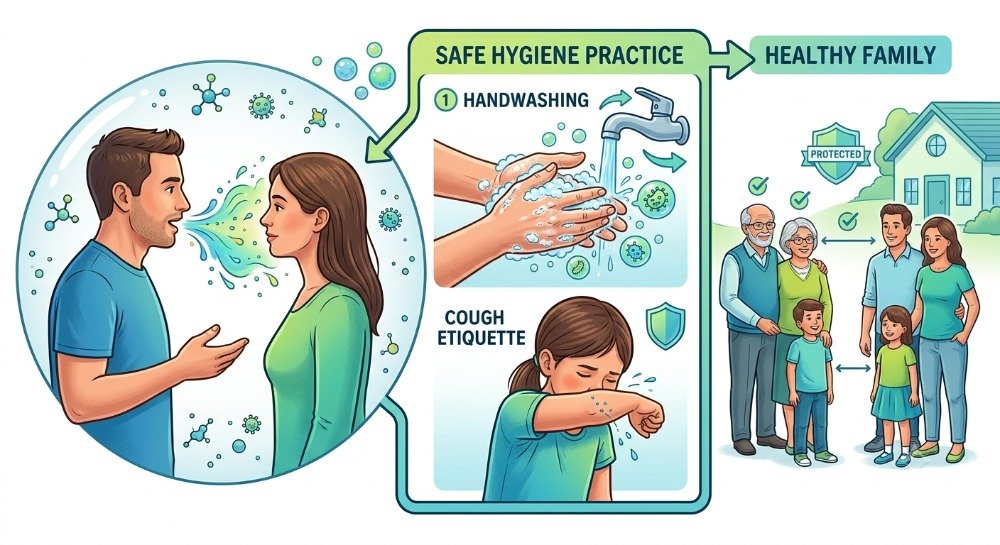
Unlike many common infections, meningococcal disease does not spread easily through casual contact. The bacteria usually spread through close or prolonged contact with respiratory or throat secretions. Common ways the infection spreads include:
- Kissing
- Living in the same household
- Sharing drinks or eating utensils
- Sharing cigarettes or vaping devices
- Prolonged face-to-face contact
- Coughing or sneezing at close range
The bacteria do not survive well outside the human body. They are not usually spread through food, water, or touching everyday objects. Understanding how the disease spreads can help reduce the risk of infection and improve prevention.
What Happens After Infection?
The infection usually begins when the bacteria enter the nose or throat. For many people, the immune system controls the bacteria before illness develops. In others, the bacteria pass into the bloodstream. Once inside the blood, they can multiply rapidly.
This may lead to severe bloodstream infection known as meningococcemia or travel to the protective tissues surrounding the brain and spinal cord, causing meningococcal meningitis. Both conditions require emergency treatment. Early recognition of meningococcal disease symptoms can significantly improve the chances of recovery.
Related Guide: What Are the Symptoms of Congestive Heart Failure?
Main Types of Meningococcal Disease
Although the same bacteria cause the disease, the infection can affect different parts of the body.
| Type | Area Affected | Common Symptoms |
| Meningococcal Meningitis | Protective lining around the brain and spinal cord | Fever, severe headache, stiff neck, vomiting, confusion |
| Meningococcal Septicemia (Meningococcemia) | Bloodstream | Fever, severe muscle pain, cold hands and feet, purple rash, shock |
Some people develop only one form of the disease. Others may develop both meningitis and bloodstream infection at the same time.
Incubation Period
The incubation period is the time between exposure to the bacteria and the appearance of symptoms. For meningococcal disease, this period usually ranges from 2 to 10 days, with most people developing symptoms within 3 to 4 days after exposure.
Because symptoms can appear suddenly, people who have had close contact with an infected person should follow public health advice and seek medical guidance if they develop any meningococcal disease symptoms.
Can Healthy People Carry the Bacteria?
Yes. Many healthy people carry Neisseria meningitidis in their nose or throat without feeling sick. These carriers usually do not know they have the bacteria because they have no symptoms. In most cases, the immune system prevents the bacteria from causing disease.
Only a very small percentage of carriers develop invasive meningococcal disease. Even though carriers feel healthy, the bacteria can sometimes spread to others through close personal contact.
Key Facts About Meningococcal Disease
- Neisseria meningitidis bacteria cause meningococcal disease.
- Early meningococcal disease symptoms may resemble the flu.
- The infection can become life-threatening within hours.
- It commonly spreads through close contact with respiratory or throat secretions.
- Healthy people may carry the bacteria without becoming sick.
- Early diagnosis and prompt treatment greatly improve survival.
- Vaccination remains one of the best ways to prevent severe disease.
Meningococcal Disease Symptoms
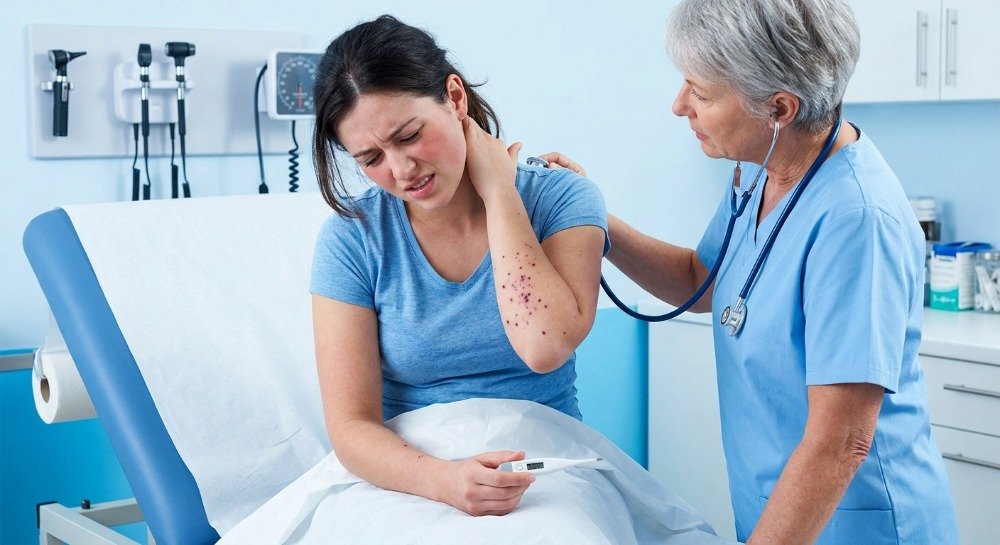
Recognizing meningococcal disease symptoms early can save lives. One of the biggest dangers of this infection is that the first symptoms often look like the flu. Many people feel tired, develop a fever, or have a headache before the illness suddenly becomes much worse.
As the bacteria spread through the body, new symptoms can appear quickly. Some people become seriously ill within just a few hours. Learning to recognize these warning signs can help you seek emergency medical care before severe complications develop.
Early Meningococcal Disease Symptoms
The first meningococcal disease symptoms are often mild and can easily be mistaken for a common viral illness. Early symptoms may include:
- Fever
- Chills
- Headache
- Fatigue
- Muscle pain
- Joint pain
- Nausea
- Vomiting
- Loss of appetite
- Feeling generally unwell
Some people also experience difficulty concentrating or unusual sleepiness during the early stages. Although these symptoms may seem harmless at first, they should never be ignored if they become worse quickly or appear together with other serious warning signs.
Symptoms of Meningococcal Meningitis
When the bacteria infect the protective membranes around the brain and spinal cord, the condition is called meningococcal meningitis. Common meningococcal disease symptoms at this stage include:
- High fever
- Severe headache
- Stiff neck
- Pain when moving the neck
- Sensitivity to bright light
- Nausea
- Vomiting
- Confusion
- Difficulty staying awake
- Seizures in some cases
Many patients describe the headache as sudden, severe, and unlike their usual headaches. Neck stiffness is another classic symptom, but it may not appear immediately.
Symptoms of Meningococcal Bloodstream Infection
The bacteria can also spread directly into the bloodstream. This condition is known as meningococcal septicemia or meningococcemia. It is one of the most dangerous forms of the disease. Common meningococcal disease symptoms include:
- High fever
- Severe chills
- Rapid breathing
- Severe muscle pain
- Joint pain
- Cold hands and feet
- Pale or mottled skin
- Extreme weakness
- Dizziness
- Confusion
Without immediate treatment, blood pressure may fall rapidly and multiple organs may begin to fail.
Meningococcal Rash
One of the best-known meningococcal disease symptoms is the skin rash. However, it is important to understand that the rash does not always appear during the early stages. Some people never develop a rash at all. When present, the rash often starts as:
- Tiny red spots
- Small purple dots
- Pinpoint marks that do not fade when pressed
As the disease progresses, the rash may become:
- Larger purple patches
- Bruise-like areas
- Dark skin discoloration
Glass Test
Doctors sometimes recommend the glass test. Press the side of a clear drinking glass firmly against the rash. If the rash does not fade, it may indicate bleeding under the skin and requires immediate emergency medical attention.
Do not wait for a rash before seeking medical care if other serious meningococcal disease symptoms are developing.
Meningococcal Disease Symptoms in Babies
Babies often show different symptoms than adults. They may not complain of headache or neck stiffness. Parents should watch for:
- Poor feeding
- Refusing milk
- Vomiting
- Unusual crying
- High-pitched crying
- Extreme sleepiness
- Difficulty waking
- Irritability
- Floppy body
- Bulging soft spot on the head
- Cold hands and feet
- Fever or unusually low body temperature
These symptoms should always be treated as a medical emergency.
Symptoms in Children
Children may develop meningococcal disease symptoms very quickly. Common warning signs include:
- Fever
- Severe headache
- Vomiting
- Neck stiffness
- Drowsiness
- Confusion
- Rash
- Sensitivity to light
- Muscle pain
- Cold hands and feet
Children often become tired much faster than usual. Some may stop playing or become difficult to wake.
Symptoms in Teenagers and Young Adults
Teenagers and college students have a higher risk of meningococcal disease because close living environments make bacteria easier to spread. Common meningococcal disease symptoms include:
- High fever
- Severe headache
- Neck stiffness
- Vomiting
- Body aches
- Extreme fatigue
- Rash
- Confusion
- Light sensitivity
Because these symptoms may resemble influenza, some young adults delay seeking medical care. That delay can become dangerous.
Symptoms in Adults
Adults usually experience:
- Sudden fever
- Severe headache
- Neck stiffness
- Confusion
- Muscle pain
- Joint pain
- Vomiting
- Chills
- Rash
- Difficulty staying awake
Adults with weakened immune systems may become seriously ill even more quickly.
Symptoms in Older Adults
Older adults sometimes develop less obvious symptoms. Instead of the classic signs, they may experience:
- Confusion
- Weakness
- Poor appetite
- Fever
- Sleepiness
- Difficulty walking
- Reduced alertness
These symptoms can sometimes be mistaken for other medical conditions. Prompt medical evaluation is still essential.
Symptoms by Age Group
| Babies | Children & Teenagers | Adults |
| Poor feeding | Fever | Fever |
| Irritability | Severe headache | Severe headache |
| Bulging soft spot | Vomiting | Neck stiffness |
| Floppy body | Neck stiffness | Confusion |
| High-pitched crying | Rash | Rash |
| Extreme sleepiness | Light sensitivity | Muscle pain |
Emergency Warning Signs
Some meningococcal disease symptoms require immediate emergency care. Do not wait to see whether the symptoms improve. Call emergency services or go to the nearest emergency department if someone develops:
- Sudden high fever
- Severe headache
- Stiff neck
- Purple or dark red rash
- Difficulty waking up
- Confusion
- Trouble breathing
- Cold hands and feet
- Severe muscle pain
- Seizures
- Loss of consciousness
Meningococcal disease can become life-threatening within hours. Early treatment greatly improves the chances of recovery.
Related Guide: What Is Inflammation? Causes, Symptoms, and Prevention
Who Is Most at Risk?
Anyone can develop meningococcal disease. However, some groups have a higher risk. These include:
- Babies under one year of age
- Teenagers
- Young adults
- College students living in dormitories
- Military recruits
- People with weakened immune systems
- People without a functioning spleen
- People with sickle cell disease
- Travelers to areas with higher infection rates
- Laboratory workers who handle the bacteria
- Close household contacts of infected individuals
Being in one of these groups does not mean you will become sick. It simply means extra attention to prevention and vaccination may be needed.
Key Takeaways
- Early meningococcal disease symptoms often resemble the flu.
- Symptoms can become severe within just a few hours.
- A rash may appear late or may never appear.
- Babies often show different warning signs than adults.
- Fever with a stiff neck, confusion, or a non-fading rash requires emergency medical care.
- Quick diagnosis and treatment can save lives.
How Is Meningococcal Disease Diagnosed?
Recognizing meningococcal disease symptoms is only the first step. A fast and accurate diagnosis is equally important because the infection can become life-threatening in a very short time.
Doctors usually begin treatment as soon as they suspect meningococcal disease. They often do not wait for laboratory results because delaying antibiotics can increase the risk of serious complications. To confirm the diagnosis and understand how severe the infection is, several medical tests may be performed.
Medical History and Physical Examination
The diagnosis usually begins with a detailed medical evaluation. Your healthcare provider may ask questions about:
- When your symptoms started
- Whether the symptoms are getting worse
- Recent travel history
- Close contact with someone who was sick
- Vaccination history
- Underlying medical conditions
During the physical examination, doctors look for common meningococcal disease symptoms, including:
- Fever
- Neck stiffness
- Skin rash
- Confusion
- Sensitivity to light
- Changes in alertness
The examination helps determine whether emergency treatment should begin immediately.
Blood Tests
Blood tests are one of the first investigations performed. These tests help doctors evaluate:
- Signs of bacterial infection
- White blood cell count
- Inflammation
- Organ function
- Blood clotting problems
Blood cultures may also be collected to identify Neisseria meningitidis. Although laboratory confirmation is valuable, treatment usually starts before culture results become available.
Lumbar Puncture (Spinal Tap)
If meningitis is suspected, doctors may recommend a lumbar puncture. During this procedure, a small amount of cerebrospinal fluid (CSF) is collected from the lower back using a sterile needle. The sample is examined for:
- Bacteria
- White blood cells
- Protein levels
- Glucose levels
- Signs of infection
This test helps confirm whether the protective lining around the brain and spinal cord has become infected. Although many people worry about this procedure, it is commonly performed and provides important information for diagnosis.
PCR Testing
Many hospitals now use polymerase chain reaction (PCR) testing. PCR can detect the DNA of Neisseria meningitidis even when bacteria are difficult to grow in culture. This method may provide faster and more accurate results.
Imaging Tests
Imaging tests are not always necessary. However, doctors may request a CT scan or MRI before performing a lumbar puncture in certain situations. These scans help identify:
- Brain swelling
- Bleeding
- Other conditions that may explain the patient’s meningococcal disease symptoms
How Is Meningococcal Disease Treated?
Treatment should begin immediately. Meningococcal disease is always treated as a medical emergency. Patients usually require hospital admission, and many are cared for in an intensive care unit if the illness is severe.
Antibiotics
Antibiotics are the main treatment. Doctors usually begin intravenous (IV) antibiotics as soon as meningococcal disease is suspected. Waiting for laboratory confirmation can be dangerous because the bacteria may spread rapidly. Early antibiotic treatment greatly improves survival.
Intravenous Fluids
Many patients become dehydrated or develop dangerously low blood pressure. IV fluids help:
- Maintain blood pressure
- Improve circulation
- Support organ function
- Replace lost fluids
This supportive treatment is an important part of recovery.
Oxygen Therapy
Some patients develop breathing difficulties or reduced oxygen levels. Supplemental oxygen may be provided to ensure enough oxygen reaches the body’s organs. Patients with severe illness may require mechanical ventilation.
Intensive Care
People with severe meningococcal disease symptoms may need treatment in the intensive care unit (ICU). Doctors continuously monitor:
- Heart rate
- Blood pressure
- Oxygen levels
- Kidney function
- Brain function
Early intensive care can reduce the risk of complications.
Medicines to Support Blood Pressure
Some patients develop septic shock. When blood pressure falls dangerously low, medications called vasopressors may be needed to maintain circulation. These medicines help protect vital organs until the infection is controlled.
Treatment for Complications
Some patients require additional care depending on the severity of the disease. Treatment may include:
- Pain management
- Blood transfusions
- Kidney support
- Wound care
- Rehabilitation therapy
The treatment plan is different for every patient.
Can Meningococcal Disease Be Cured?
Yes. Many people recover completely when treatment begins early. However, recovery depends on several factors, including:
- How quickly treatment starts
- Age
- Overall health
- Severity of infection
- Whether complications develop
Even after leaving the hospital, some patients may require follow-up care for several weeks or months.
Possible Complications
Unfortunately, meningococcal disease can sometimes cause permanent damage. Serious complications may include:
- Hearing loss
- Vision problems
- Brain injury
- Memory difficulties
- Learning problems
- Kidney damage
- Heart problems
- Skin damage
- Limb amputation
- Organ failure
These complications are more likely when treatment is delayed. Early recognition of meningococcal disease symptoms remains the best way to reduce these risks.
Recovery After Meningococcal Disease
Recovery is different for every patient. Some people recover within a few weeks. Others may need several months of rehabilitation. Recovery often includes:
- Follow-up medical visits
- Hearing tests
- Physical therapy
- Occupational therapy
- Mental health support
- Nutritional support
Doctors continue monitoring patients even after the infection has been treated.
Related Article: Rheumatoid Arthritis: Symptoms, Causes, Diagnosis, and Treatment
What Should Close Contacts Do?
People who have been in close contact with someone diagnosed with meningococcal disease may also require medical attention. Examples include:
- Family members
- Roommates
- Romantic partners
- Anyone exposed to respiratory secretions
Doctors may recommend preventive antibiotics to reduce the risk of developing the infection. Close contacts should also watch carefully for meningococcal disease symptoms during the days following exposure.
Can Meningococcal Disease Return?
Most people develop some immunity after recovering. However, immunity is not always lifelong. A person can become infected again with a different strain of Neisseria meningitidis. For this reason, healthcare providers may still recommend vaccination after recovery in certain situations.
Long-Term Outlook
The outlook has improved significantly because of:
- Earlier diagnosis
- Better antibiotics
- Intensive care advances
- Vaccination programs
Most people who receive rapid treatment recover successfully. The greatest risk comes from delayed medical care after the first meningococcal disease symptoms appear.
Key Takeaways
- Doctors begin treatment immediately when meningococcal disease is suspected.
- Blood tests, cultures, PCR testing, and lumbar puncture help confirm the diagnosis.
- Intravenous antibiotics are the most important treatment.
- Intensive care may be necessary for severe infections.
- Early treatment greatly improves survival.
- Delayed treatment increases the risk of permanent complications.
- Close contacts may require preventive antibiotics and medical advice.
How to Prevent Meningococcal Disease

Preventing meningococcal disease is much easier than treating it. Because meningococcal disease symptoms can become severe within hours, prevention should always be a priority. The most effective protection comes from vaccination, but healthy habits and early medical care also help reduce the risk of infection. Whether you are protecting yourself, your child, or a family member, understanding these preventive measures can make a significant difference.
Get Vaccinated
Vaccination is the best way to reduce the risk of serious meningococcal disease. Several vaccines protect against different types of Neisseria meningitidis. These vaccines help the immune system recognize the bacteria and fight the infection before it becomes severe.
Although no vaccine provides 100% protection, vaccination greatly lowers the risk of developing life-threatening illness.
Types of Meningococcal Vaccines
Healthcare providers may recommend different vaccines depending on your age and individual risk factors.
1. MenACWY Vaccine
This vaccine protects against four common meningococcal groups:
- A
- C
- W
- Y
It is commonly recommended for adolescents and certain adults at increased risk.
2. MenB Vaccine
This vaccine protects against meningococcal group B. It is recommended for certain teenagers, young adults, and people with specific medical conditions or higher exposure risk.
3. MenABCWY Vaccine
Some newer vaccines provide protection against multiple meningococcal groups in a single product. Your healthcare provider can recommend the most appropriate vaccine based on your age, health status, and local vaccination guidelines.
Who Should Consider Vaccination?
Vaccination may be recommended for:
- Infants in certain situations
- Preteens
- Teenagers
- College students living in dormitories
- Military recruits
- Travelers visiting high-risk regions
- People with weakened immune systems
- Individuals without a functioning spleen
- People with complement deficiencies
- Laboratory workers handling meningococcal bacteria
Vaccination recommendations vary by country and individual health conditions. Always follow your healthcare provider’s advice.
MenACWY vs. MenB
| Vaccine | Protects Against | Commonly Recommended For |
| MenACWY | Groups A, C, W, Y | Adolescents and higher-risk adults |
| MenB | Group B | Certain teenagers and high-risk individuals |
| MenABCWY | Multiple groups | Selected individuals based on vaccination recommendations |
Practice Good Hygiene
Vaccination is the strongest protection, but good hygiene also helps reduce the spread of bacteria. Simple habits include:
- Wash your hands regularly.
- Cover your mouth when coughing or sneezing.
- Throw away used tissues immediately.
- Clean frequently touched surfaces.
- Stay home when you are sick whenever possible.
Good hygiene helps reduce the spread of many respiratory infections, including those that can contribute to meningococcal transmission.
Avoid Sharing Personal Items
The bacteria spread through respiratory and throat secretions. Avoid sharing:
- Drinking glasses
- Water bottles
- Eating utensils
- Toothbrushes
- Lip balm
- Cigarettes
- Vaping devices
These small precautions may reduce the chance of spreading bacteria among close contacts.
Protect Your Family During an Outbreak
If someone in your household develops meningococcal disease, public health officials and healthcare providers may recommend additional protective measures. These may include:
- Preventive antibiotics for close contacts
- Vaccination when appropriate
- Monitoring for meningococcal disease symptoms
- Following local public health instructions
Early action helps prevent additional infections.
What Should You Do After Close Exposure?
If you have been in close contact with someone diagnosed with meningococcal disease:
- Contact your healthcare provider immediately.
- Do not wait for meningococcal disease symptoms to appear.
- Follow medical advice regarding preventive antibiotics.
- Ask whether vaccination is recommended.
- Monitor your health for several days.
Quick medical advice after exposure can significantly reduce the risk of serious illness.
Can Healthy Lifestyle Habits Help?
A healthy lifestyle cannot completely prevent meningococcal disease. However, maintaining a strong immune system supports your body’s natural defenses. Healthy habits include:
- Eating a balanced diet
- Getting enough sleep
- Staying physically active
- Managing stress
- Drinking enough water
- Avoiding smoking
These habits improve overall health but should never replace vaccination.
Related Guide: What Over-the-Counter Medicine Helps With Inflammation?
Common Myths About Meningococcal Disease
Myth: Only children get meningococcal disease.
Fact: People of any age can become infected, although some groups have a higher risk.
Myth: You will always develop a rash.
Fact: A rash may appear late or may not develop at all.
Myth: Vaccinated people cannot get meningococcal disease.
Fact: Vaccination greatly reduces the risk but does not guarantee complete protection.
Myth: Mild flu-like symptoms are never serious.
Fact: Early meningococcal disease symptoms often resemble influenza before becoming much more severe.
Prevention Checklist
Use this simple checklist to reduce your risk.
✅ Stay up to date with recommended meningococcal vaccines.
✅ Wash your hands regularly.
✅ Avoid sharing drinks and eating utensils.
✅ Cover coughs and sneezes.
✅ Maintain a healthy lifestyle.
✅ Seek medical advice after close exposure.
✅ Learn the warning signs of meningococcal disease symptoms.
Frequently Asked Questions
Is meningococcal disease contagious?
Yes. The bacteria spread through close contact with respiratory or throat secretions, such as kissing or sharing drinks.
What are the first meningococcal disease symptoms?
Early meningococcal disease symptoms often include fever, headache, fatigue, muscle pain, nausea, and vomiting. These symptoms may quickly become more serious.
How quickly does meningococcal disease progress?
The infection can worsen within a few hours. This is why immediate medical attention is essential when severe symptoms develop.
Can adults develop meningococcal disease?
Yes. Although infants and teenagers have higher rates, adults can also develop severe meningococcal disease.
What does the meningococcal rash look like?
It usually begins as small red or purple spots that do not fade when pressed with a clear glass.
Can meningococcal disease be cured?
Many people recover fully when treatment begins early. Prompt diagnosis and intravenous antibiotics greatly improve the chances of recovery.
Is meningococcal disease the same as meningitis?
No. Meningococcal disease refers to infection caused by Neisseria meningitidis. It may cause meningitis, bloodstream infection, or both.
Should close contacts receive treatment?
Healthcare providers may recommend preventive antibiotics and vaccination for people who have had close contact with an infected individual.
Final Thoughts
Recognizing meningococcal disease symptoms early can save lives. Although the disease is uncommon, it can become life-threatening within a very short time. Knowing the warning signs, understanding how the infection spreads, and seeking immediate medical care are essential for improving outcomes.
Vaccination remains the most effective way to prevent serious meningococcal disease. Combined with good hygiene, healthy habits, and early medical attention, it provides strong protection for individuals and communities.
If you or someone you know develops sudden meningococcal disease symptoms such as fever, severe headache, neck stiffness, confusion, or a purple rash, do not delay. Seek emergency medical care immediately. Quick action can make the difference between recovery and life-threatening complications.