
Discover how a Powered Air Purifying Respirator (PAPR) works, its key components, benefits, and where it’s used. Learn how PAPRs provide clean, filtered air for better respiratory protection.
How Does a Powered Air Purifying Respirator Work?
Introduction
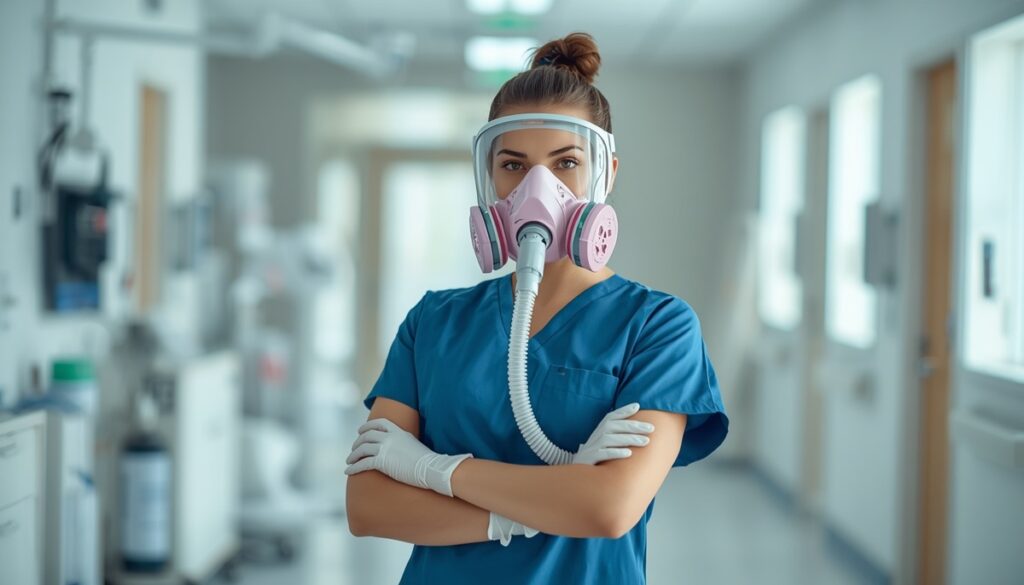
When working in environments with dust, harmful particles, chemical fumes, or infectious pathogens, wearing the right respiratory protection is essential. A Powered Air Purifying Respirator (PAPR) is designed to help users breathe cleaner air by filtering airborne contaminants before they reach the respiratory system.
Unlike standard respirators that rely on your breathing to pull air through a filter, a PAPR uses a battery-powered blower to deliver filtered air continuously. This reduces breathing resistance and improves comfort, making it a popular choice for healthcare professionals, laboratory workers, emergency responders, and industrial employees.
In this guide, you’ll learn how a powered air-purifying respirator works, what its main components are, and why it’s considered one of the most effective forms of respiratory protection for many workplace environments.
What Is a Powered Air Purifying Respirator (PAPR)?
A Powered Air Purifying Respirator (PAPR) is a reusable respiratory protection device that uses a motorized blower to pull surrounding air through high-efficiency filters. Once the air is cleaned, it’s delivered to the wearer through a breathing tube connected to a hood, helmet, or facepiece.
Because a battery powers the airflow, users don’t have to work as hard to breathe compared to many traditional respirators. This makes PAPRs especially useful for long work shifts or environments where respiratory protection is required for extended periods.
You’ll commonly find PAPRs in hospitals, laboratories, pharmaceutical facilities, manufacturing plants, and other workplaces where workers may be exposed to airborne hazards.
Main Components of a Powered Air Purifying Respirator
Although different models vary in design, every PAPR includes several key components that work together to provide clean breathing air.
Air Filter
As air passes through the filter, harmful airborne particles are trapped before the clean air reaches the wearer. Depending on the application, PAPRs may use particulate filters, gas and vapor cartridges, or combination filters designed for specific workplace hazards.
Powered Blower
The blower draws outside air through the filter and pushes the cleaned air toward the user. This continuous airflow reduces breathing resistance and helps improve comfort during extended use.
Rechargeable Battery
The blower is powered by a rechargeable battery. A fully charged battery allows the respirator to maintain a steady airflow throughout the work period. Regular charging and maintenance are essential for reliable performance.
Breathing Tube
The breathing tube carries filtered air from the blower to the hood or facepiece. It is designed to maintain a consistent airflow while allowing the wearer to move comfortably.
Hood or Facepiece
The hood or facepiece surrounds the user’s breathing zone and delivers a continuous supply of filtered air. Depending on the model, PAPRs may use loose-fitting hoods or tight-fitting facepieces to provide respiratory protection.
How Does a Powered Air Purifying Respirator Work?
A Powered Air Purifying Respirator (PAPR) works by drawing in surrounding air, filtering out harmful contaminants, and delivering clean air to the wearer through a battery-powered system. Unlike traditional respirators that depend on the user’s breathing effort, a PAPR actively supplies filtered air, making it more comfortable for extended use.
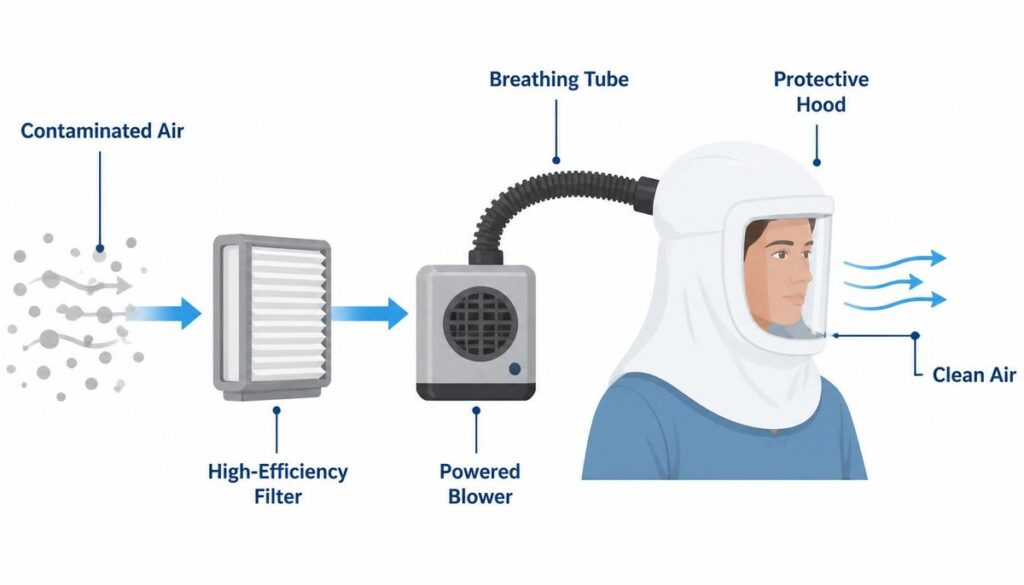
To better understand how a PAPR functions, let’s break the process down into simple steps.
Step 1: Air Is Drawn into the System
The process begins when the powered blower pulls air from the surrounding environment. Instead of relying on the wearer’s inhalation, the motor continuously draws air into the respirator.
Step 2: The Air Passes Through the Filter
Next, the incoming air moves through a high-efficiency filter that captures harmful airborne particles such as dust, smoke, bacteria, and other contaminants. Some PAPR models also use specialized cartridges to help filter certain gases or vapors, depending on the work environment.
Step 3: Clean Air Is Delivered to the Wearer
After filtration, the clean air travels through a breathing tube and enters the hood, helmet, or facepiece. The user receives a continuous flow of fresh, filtered air while working.
Step 4: Positive Air Pressure Helps Keep Contaminants Out
Many PAPR systems create positive air pressure inside the hood. This means filtered air continuously flows outward through small openings, helping reduce the chance of unfiltered air entering the breathing zone when the equipment is worn correctly. This combination of powered airflow and high-efficiency filtration makes PAPRs an effective respiratory protection option in many healthcare and industrial settings.
Benefits of Using a Powered Air Purifying Respirator
A PAPR offers several advantages over many traditional respirators, especially during long work shifts or in environments with higher respiratory risks.
Key benefits include the following:
- Continuous airflow for greater breathing comfort
- Reduced breathing resistance compared to many filtering facepiece respirators
- High level of respiratory protection when properly selected and used
- Comfortable for extended periods of wear
- Available in different styles for various workplace applications
- Compatible with many healthcare, laboratory, and industrial environments
- Reusable design with replaceable filters and rechargeable batteries
These features make PAPRs a preferred choice for many professionals who require reliable respiratory protection throughout the workday.
Where Are Powered Air Purifying Respirators Used?
Powered air purifying respirators are used in workplaces where airborne hazards may pose a health risk. Their ability to deliver filtered air continuously makes them suitable for a wide range of industries. Common applications include:
- Healthcare and hospitals
- Pharmaceutical manufacturing
- Research laboratories
- Construction and demolition
- Chemical processing facilities
- Food manufacturing
- Mining operations
- Emergency response services
- Cleanroom environments
The appropriate type of PAPR depends on the workplace hazard assessment and the level of respiratory protection required.
PAPR vs. N95 Respirator
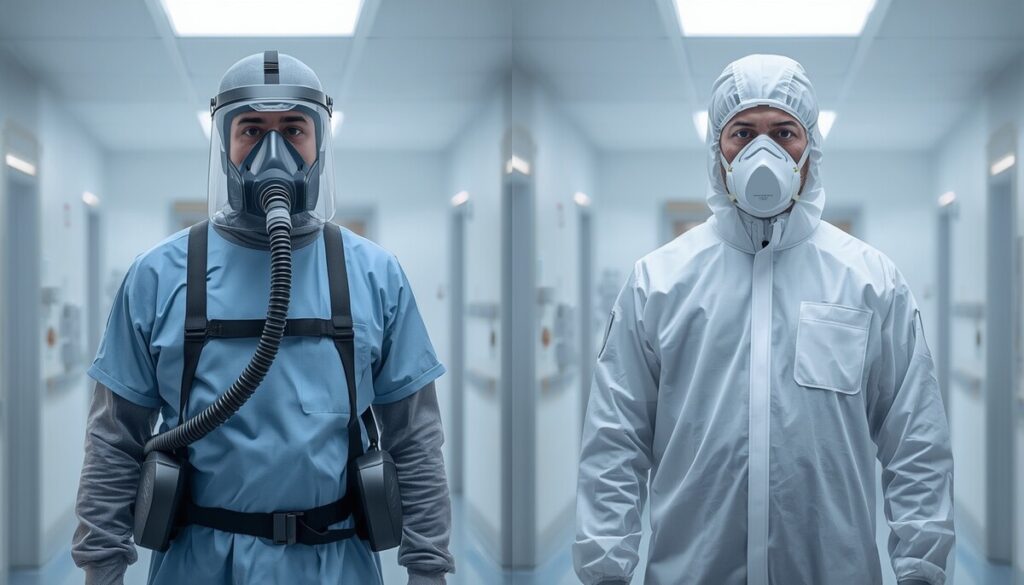
| Feature | PAPR | N95 Respirator |
| Air Supply | Battery-powered airflow | User breathes through the filter |
| Comfort | More comfortable for extended wear | May become uncomfortable over long periods |
| Reusability | Reusable with replaceable filters | Most models are disposable |
| Breathing Resistance | Lower | Higher |
| Power Source | Rechargeable battery | Not required |
| Typical Use | Healthcare, industrial, and laboratory settings | General healthcare and everyday respiratory protection |
While both respirators play an important role in respiratory safety, the best choice depends on the work environment, exposure risks, and applicable safety requirements.
Worth reading guide>>Benefits of Powered Air Purifying Respirators
How to Maintain a Powered Air Purifying Respirator (PAPR)?
Regular maintenance helps keep your powered air-purifying respirator working efficiently and extends its lifespan. A well-maintained PAPR also provides more reliable respiratory protection in demanding work environments.
Follow these basic maintenance practices:
- Clean the hood, facepiece, and breathing tube after each use according to the manufacturer’s instructions.
- Inspect the filters before every use and replace them when recommended or if they become damaged.
- Recharge the battery fully before each shift and replace it if it no longer holds a proper charge.
- Examine the blower unit for signs of damage or reduced airflow.
- Store the respirator in a clean, dry location away from direct sunlight, dust, and moisture.
Routine inspections can help identify problems before they affect the respirator’s performance.
Common Mistakes to Avoid
Even high-quality respiratory equipment may not provide the expected level of protection if it is used incorrectly. Avoid these common mistakes when using a PAPR:
- Using the wrong filter for the workplace hazard
- Wearing a damaged hood or breathing tube
- Ignoring low battery warnings
- Skipping regular cleaning and maintenance
- Failing to inspect the respirator before use
- Using expired or worn-out filters
- Storing the equipment in dirty or humid environments
Following the manufacturer’s instructions and workplace safety procedures can help ensure the respirator performs as intended.
Frequently Asked Questions
Is a powered air-purifying respirator better than an N95 mask?
A PAPR can provide a higher level of respiratory protection in many workplace settings and is often more comfortable during extended use. However, the right choice depends on the specific hazards, job requirements, and applicable safety guidelines.
Can a PAPR protect against viruses?
Many PAPRs equipped with appropriate high-efficiency particulate filters are designed to reduce exposure to airborne particles, including those that may carry viruses. The level of protection depends on the respirator model, filter type, and correct usage.
How long does a PAPR battery last?
Battery life varies by manufacturer and model. Most rechargeable batteries are designed to operate for several hours on a full charge, but actual runtime depends on airflow settings and working conditions.
How often should PAPR filters be replaced?
Filters should be replaced according to the manufacturer’s recommendations or sooner if they become damaged, clogged, or contaminated. Regular inspections help ensure the respirator continues to perform effectively.
Conclusion
A powered air-purifying respirator works by drawing in surrounding air, filtering out harmful contaminants, and delivering a continuous supply of clean air to the wearer. Its battery-powered blower, high-efficiency filtration system, and comfortable airflow make it a reliable choice for many healthcare, laboratory, and industrial applications.
Understanding how a PAPR works can help individuals and organizations choose the right respiratory protection for their needs. When used correctly and maintained properly, a PAPR can provide dependable performance, improved comfort, and enhanced protection in environments where clean air is essential.