
Learn about the top ten advantages of Powered Air Purifying Respirators (PAPRs), which include increased respiratory protection in industrial and healthcare settings, better comfort, and cleaner airflow.
10 Benefits of Powered Air Purifying Respirators
Introduction
It takes more than just basic protection gear to work in areas where airborne threats are present. The proper respiratory equipment can significantly improve comfort and safety in a variety of settings, including hospitals, laboratories, manufacturing plants, and construction sites.
Best Buy>> See Top of the line Powered Air Purifying Respirators at Amazon
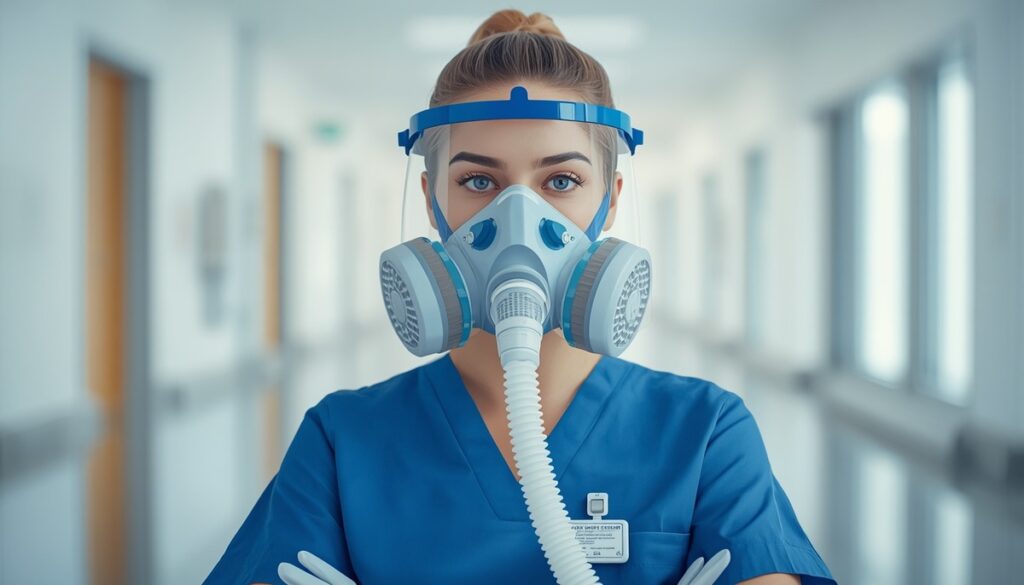
The continuous flow of filtered air provided by Powered Air Purifying Respirators (PAPRs) helps reduce exposure to hazardous airborne particles and makes it easier to breathe during long work shifts. By combining advanced filtration with a battery-powered airflow system, PAPRs have become a trusted choice in many industries.
In this article, you’ll learn about the 10 key benefits of Powered Air Purifying Respirators and why they are widely used in healthcare and industrial workplaces.
What are the benefits of a Powered Air Purifying Respirators (PAPR)?
In hospitals, laboratories, and industrial settings, a Powered Air Purifying Respirators (PAPR) provides a continuous flow of filtered air, lowers breathing resistance, enhances comfort during extended work shifts, and provides dependable respiratory protection. It is a sensible option for numerous workplace applications due to its reusable design and sophisticated filtration technology.
Worth Reading >> What is Asthma, asthma attack, symptoms, etiology, and types
Benefit 1: Continuous Supply of Filtered Air
One of the biggest advantages of a Powered Air Purifying Respirators are its ability to provide a continuous stream of filtered air throughout use. The built-in blower continuously delivers clean, filtered air into the hood or facepiece rather than depending entirely on the wearer’s breathing effort.
Users can concentrate on their work without feeling constrained by the respirator thanks to the continuous airflow that enhances comfort.
Benefit 2: Makes Breathing Easier
The wearer of a traditional respirator must force air through the filter with each breath, which can be taxing when doing physically demanding duties.
By moving air through the filtration system using a battery-powered blower, a PAPR lessens this effort. Because of this, breathing frequently feels more natural, particularly during extended shifts.
Benefit 3: Greater Comfort During Extended Wear
For anyone who must wear respiratory protection for extended hours, comfort is crucial.
Lightweight hoods or facepieces that function with constant airflow to reduce heat buildup and enhance comfort are a common feature of PAPR systems. In hectic healthcare and industrial environments, this can make extended wear more comfortable.
Benefit 4: Reusable and Cost-Effective Over Time
When properly cleaned and maintained, PAPRs can be used repeatedly, unlike many disposable respirators.
Reusable parts and interchangeable filters can make a PAPR an affordable choice for businesses that need frequent respiratory protection, even though the initial cost may be higher.
Benefit 5: Enhanced Protection in High-Risk Environments
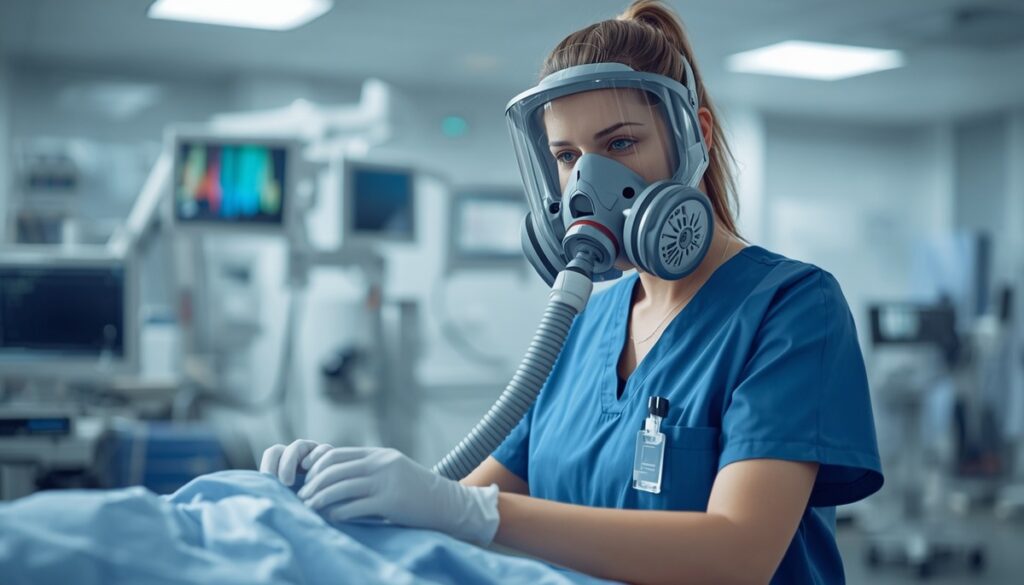
Workers are exposed to higher concentrations of airborne pollutants in some workplaces than in others. Respiratory protection must be comfortable and dependable in these situations.
In hospitals, pharmaceutical facilities, labs, and industrial settings where employees may come into contact with airborne particles in the course of their regular duties, Powered Air-Purifying Respirators are commonly used. PAPRs can contribute to a safer workplace when properly chosen and utilized in accordance with the manufacturer’s guidelines.
Benefit 6: Suitable for Long Work Shifts
It can be uncomfortable to wear respiratory protection for extended periods of time, particularly when performing physically demanding tasks.
Many users find that using a PAPR for extended periods of time is more comfortable because it continuously provides filtered air. Additionally, some people who use standard respirators may feel less hot and stuffy because of the consistent ventilation.
This extra comfort can make a big difference throughout the day for industrial workers and healthcare professionals who work long hours.
Benefit 7: Versatile Across Multiple Industries
Several different professions use powered air-purifying respirators. They can be used in a variety of settings where respiratory protection is crucial because of their adaptable design.
Some of the industries that commonly use PAPRs include:
- Hospitals and healthcare facilities
- Pharmaceutical manufacturing
- Biotechnology laboratories
- Construction and demolition
- Manufacturing plants
- Chemical processing
- Emergency response services
- Cleanroom environments
This flexibility allows organizations to choose respiratory protection that best fits their workplace needs.
Benefit 8: Helps Improve Worker Productivity
Comfort and safety often go hand in hand. Workers are better able to concentrate on the task at hand when they are not as distracted by breathing resistance or discomfort. The powered airflow of a PAPR is intended to make breathing more pleasant, potentially increasing productivity during extended work periods. Comfortable protective gear can improve a worker’s overall experience, even though performance depends on many factors.
Benefit 9: Adaptable to Different Workplace Needs
Not all jobs have the same respiratory risks. Because of this, PAPRs come in a variety of styles, such as tight-fitting facepieces, helmets, and loose-fitting hoods. Employers can choose equipment that matches the particular airborne risks found during a workplace risk assessment because many systems additionally offer different filter types. Because of their flexibility, PAPRs can be used in a range of professional settings.
Benefit 10: Supports Workplace Safety Programs
Using the appropriate protective gear in conjunction with appropriate training and upkeep is essential to a successful workplace safety program.
When used properly, powered air-purifying respirators can significantly contribute to respiratory protection programs by lowering exposure to airborne pollutants. Reliable performance is influenced by regular checks, filter replacement, battery upkeep, and staff training.
A PAPR can help organizations create a safer workplace when combined with proper training and maintenance.
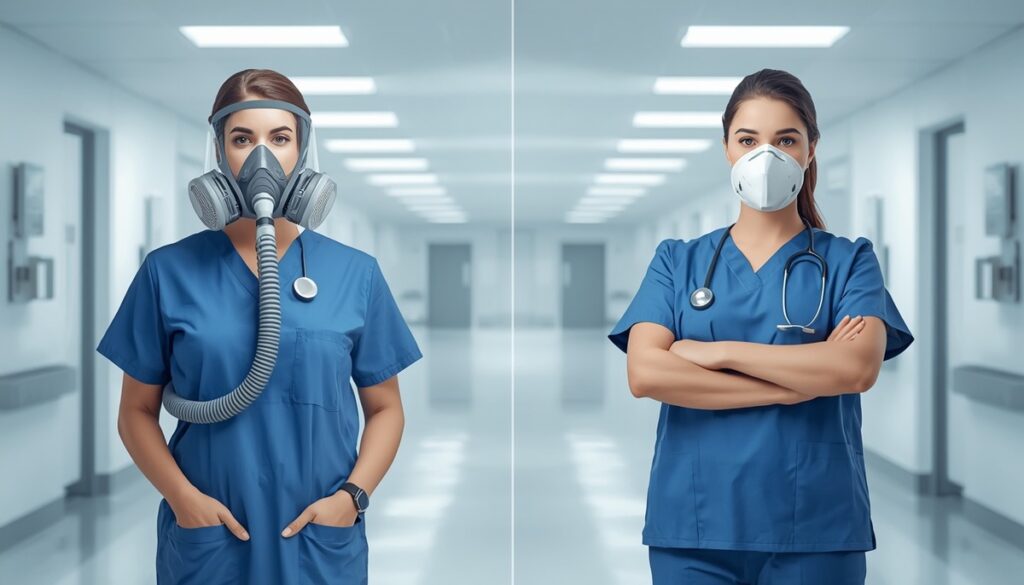
Quick Comparison: PAPR vs. Standard Respirator
| Feature | Powered Air-Purifying Respirator (PAPR) | Standard Respirator |
| Airflow | Battery-powered continuous airflow | Relies on the wearer’s breathing |
| Breathing Comfort | Lower breathing resistance | Higher breathing resistance |
| Reusability | Reusable with replaceable filters | Many models are disposable |
| Best For | Extended wear and demanding workplaces | Short-term or routine respiratory protection |
| Power Source | Rechargeable battery | Not required |
Where Are Powered Air-Purifying Respirators Most Commonly Used?
In workplaces where respiratory protection is a top concern, PAPRs are commonly used. Among the most popular uses are:
- Healthcare and patient care
- Pharmaceutical manufacturing
- Scientific research laboratories
- Industrial manufacturing
- Construction projects
- Chemical handling
- Emergency response operations
- Cleanroom production facilities
The manufacturer’s suggestions, relevant safety regulations, and occupational dangers should all be taken into consideration when selecting a respirator.
Frequently Asked Questions
Are Powered Air-Purifying Respirators better than standard respirators?
Continuous filtered airflow is provided by powered air-purifying respirators, which can improve breathing comfort during prolonged use. The type of work being performed, the level of protection required, and the workplace dangers all influence the optimal decision.
Who should use a Powered Air-Purifying Respirator?
Laboratory staff, emergency responders, pharmaceutical workers, and workers in industrial environments where airborne pollutants may be present frequently utilize PAPRs. A workplace risk assessment should always be used by employers when choosing respiratory protection.
Can a PAPR be reused?
Yes. Most Powered Air-Purifying Respirators are designed for repeated use. Regular cleaning, proper storage, timely filter replacement, and battery maintenance help keep the device working as intended.
Is a PAPR comfortable to wear for long hours?
Because the powered airflow helps lower breathing resistance, many users find PAPRs more comfortable than conventional respirators. The model, the workplace, and the way the respirator is applied can all affect comfort.
How often should PAPR filters be replaced?
Always check the filters before using them, and change them if they are clogged, damaged, or have reached the service period. Filter alternatives depend on the type of filtering, the company’s recommendations, and the circumstances surrounding the Powered Air Purifying Respirators use.
Conclusion
A key component of preserving workplace safety is selecting the appropriate respiratory protection. Continuous filtered airflow, enhanced comfort, reusable parts, and reliable respiratory protection for a variety of professional settings are some of the key benefits of powered air-purifying respirators.
Knowing the advantages of a PAPR will help you make better decisions regarding respiratory safety if you work in healthcare, pharmaceutical manufacturing, laboratories, or industrial environments. You can help create a safer and more comfortable working environment by choosing the appropriate equipment, adhering to the manufacturer’s recommendations, and correctly maintaining the respirator.
Pingback: How Powered Air Purifying Respirator Work?
Pingback: What Over-the-Counter Medicine for Inflammation?