
What Is a Heart Healthy Diet for High Blood Pressure?
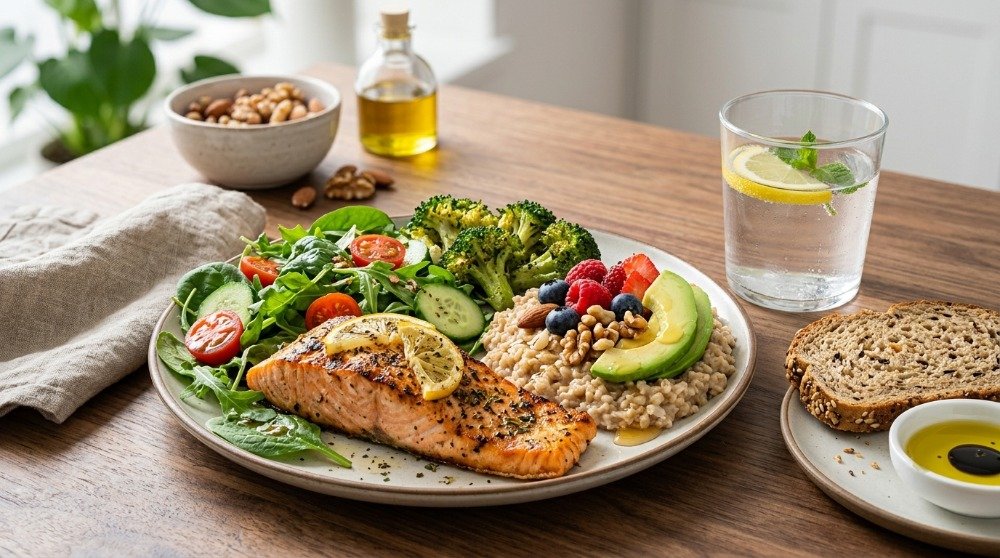
A heart healthy diet for high blood pressure focuses on nutrient-rich foods that support healthy blood vessels and help reduce excess sodium intake. It includes fruits, vegetables, whole grains, lean proteins, healthy fats, beans, nuts, seeds, and low-fat dairy. While limiting processed foods, sugary drinks, and foods high in salt. Following a heart-friendly eating plan may help manage blood pressure and reduce the risk of heart disease.
Quick Answer
High blood pressure often develops without warning signs, but what you eat can make a real difference. A heart healthy diet provides the nutrients your heart and blood vessels need while reducing foods that can raise blood pressure. Choosing more fresh foods and fewer processed products may help improve blood pressure over time when combined with other healthy lifestyle habits. Small daily food choices often have a greater impact than occasional major changes.
| Quick Facts | Details |
| Best Eating Pattern | DASH Diet |
| Healthy Alternative | Mediterranean Diet |
| Main Goal | Support healthy blood pressure |
| Foods to Eat | Fruits, vegetables, whole grains, beans, fish, nuts |
| Foods to Limit | Salt, processed foods, sugary drinks, processed meats |
| Best Drink | Water |
| Lifestyle Tip | Combine healthy eating with regular physical activity |
Introduction
High blood pressure, also called hypertension, affects millions of adults worldwide. Many people don’t realize they have it because it often causes no symptoms. Over time, however, uncontrolled blood pressure can damage the heart, brain, kidneys, and blood vessels.
The good news is that healthy eating can make a meaningful difference. Along with regular exercise, maintaining a healthy weight, getting enough sleep, and taking prescribed medication when needed, diet is one of the most effective ways to support healthy blood pressure.
A heart healthy diet for high blood pressure is not about following a strict eating plan or giving up every favorite food. Instead, it focuses on eating more nutrient-rich foods while limiting foods that add too much sodium, unhealthy fats, and added sugar.
Research consistently shows that people who improve their eating habits often see better blood pressure control and lower long-term cardiovascular risk. Even small dietary changes can add up over time.
In this guide, you’ll learn which foods support heart health, which foods should be limited, the nutrients that matter most, practical meal ideas, and simple habits that make healthy eating easier to maintain. A heart healthy diet for high blood pressure is one of the most effective lifestyle changes you can make to support long-term heart health.
Why Diet Matters for High Blood Pressure
Every meal affects your body. Some foods help your blood vessels relax and function normally. Others can increase sodium levels, promote fluid retention, and make the heart work harder. When blood pressure stays high for months or years, it places extra strain on your cardiovascular system.
This increases the risk of heart attack, stroke, kidney disease, and other serious health problems. Food cannot cure hypertension, but it plays an important role in managing it. A balanced eating pattern gives your body the nutrients it needs to support healthy circulation and overall cardiovascular health. Following a heart healthy diet for high blood pressure consistently can help you build healthier eating habits over time.
How Food Affects Blood Pressure?
Your heart pumps blood through a network of arteries every second. Healthy arteries stay flexible and allow blood to flow easily. Poor eating habits can gradually damage these blood vessels, making it harder for blood to move through them. Too much sodium is one of the biggest concerns. Excess sodium causes the body to hold onto extra fluid. A heart healthy diet for high blood pressure focuses on foods that nourish your heart while limiting excess sodium and unhealthy fats.
That extra fluid increases the pressure inside your blood vessels. On the other hand, nutrients like potassium, magnesium, calcium, and dietary fiber help support normal blood vessel function and overall heart health. This is why doctors often recommend improving your diet as one of the first steps in managing high blood pressure.
What Is a Heart Healthy Diet?
A heart healthy diet is an eating pattern built around whole, minimally processed foods. Instead of focusing on one “superfood,” it encourages a balanced variety of nutritious choices every day. Most heart-healthy eating plans include:
- Plenty of vegetables
- Fresh fruits
- Whole grains
- Beans and lentils
- Lean poultry
- Fish
- Nuts and seeds
- Low-fat dairy
- Healthy plant oils such as olive oil
At the same time, they reduce foods high in sodium, saturated fat, trans fat, and added sugar. This balanced approach supports not only healthy blood pressure but also long-term heart health. The goal of a heart healthy diet for high blood pressure is to create eating habits that are practical, balanced, and sustainable.
Related Article: Best Blood Pressure Monitors
Key Nutrients That Support Healthy Blood Pressure
A heart healthy diet for high blood pressure works because of the nutrients it provides. Each nutrient supports the cardiovascular system in a different way. Let’s look at the most important ones.
Potassium
Potassium helps balance the effects of sodium in the body. It supports normal muscle function, including the heart, and helps maintain healthy fluid balance. Many people consume too much sodium but not enough potassium. Foods naturally rich in potassium include:
- Bananas
- Sweet potatoes
- Spinach
- Beans
- Avocados
- Oranges
- Tomatoes
Increasing potassium-rich foods is often one of the simplest ways to improve overall diet quality.
Magnesium
Magnesium supports hundreds of normal chemical reactions throughout the body. It plays an important role in muscle function, nerve health, and maintaining healthy blood vessels. Good food sources include:
- Almonds
- Pumpkin seeds
- Spinach
- Whole grains
- Black beans
A varied diet usually provides enough magnesium for most adults.
Calcium
Calcium is best known for supporting strong bones, but it also helps muscles and blood vessels function properly. Healthy calcium sources include:
- Low-fat milk
- Plain yogurt
- Cottage cheese
- Fortified plant-based milk
- Leafy green vegetables
Choosing low-fat dairy products provides calcium without excessive saturated fat.
Dietary Fiber
Fiber supports more than digestive health. High-fiber foods are naturally filling and often replace processed foods that contain excess sodium and unhealthy fats. Excellent sources include:
- Oats
- Brown rice
- Whole-grain bread
- Apples
- Pears
- Lentils
- Chickpeas
- Vegetables
Most adults do not eat enough fiber each day.
Healthy Unsaturated Fats
Not all fats are unhealthy. Unsaturated fats support heart health when they replace saturated fats in the diet. Healthy choices include:
- Olive oil
- Avocados
- Walnuts
- Almonds
- Flaxseeds
- Chia seeds
- Fatty fish
These foods fit naturally into a heart-friendly eating pattern.
Two Eating Patterns Backed by Research
Doctors and dietitians consistently recommend two eating patterns for people with high blood pressure.
DASH Diet
The Dietary Approaches to Stop Hypertension (DASH) eating plan was designed specifically to help support healthy blood pressure. It emphasizes vegetables, fruits, whole grains, lean protein, low-fat dairy, beans, and nuts while reducing sodium and processed foods. Many healthcare organizations consider it one of the most effective dietary approaches for hypertension.
Mediterranean Diet
The Mediterranean diet is another excellent option. It focuses on vegetables, fruits, legumes, whole grains, olive oil, fish, and nuts while limiting processed foods and added sugar. Although it was not created specifically for blood pressure management, research has shown that it supports overall heart health and may help maintain healthy blood pressure.
DASH Diet vs. Mediterranean Diet
| DASH Diet | Mediterranean Diet |
| Specifically designed for blood pressure | Designed for overall heart health |
| Strong focus on reducing sodium | Strong focus on healthy fats |
| Encourages low-fat dairy | Emphasizes olive oil and fish |
| Excellent for hypertension | Excellent for long-term cardiovascular health |
Both eating patterns are healthy. The best choice is the one you can follow consistently.
Common Mistakes People Make
Many people believe they are eating healthy but still overlook a few habits that can affect blood pressure. Common mistakes include:
- Eating too many processed foods
- Using extra salt at the table
- Drinking sugary beverages every day
- Skipping fruits and vegetables
- Choosing refined grains instead of whole grains
- Assuming “low-fat” always means healthy
Making small improvements in these areas can have a positive impact over time.
Best Foods to Eat for High Blood Pressure
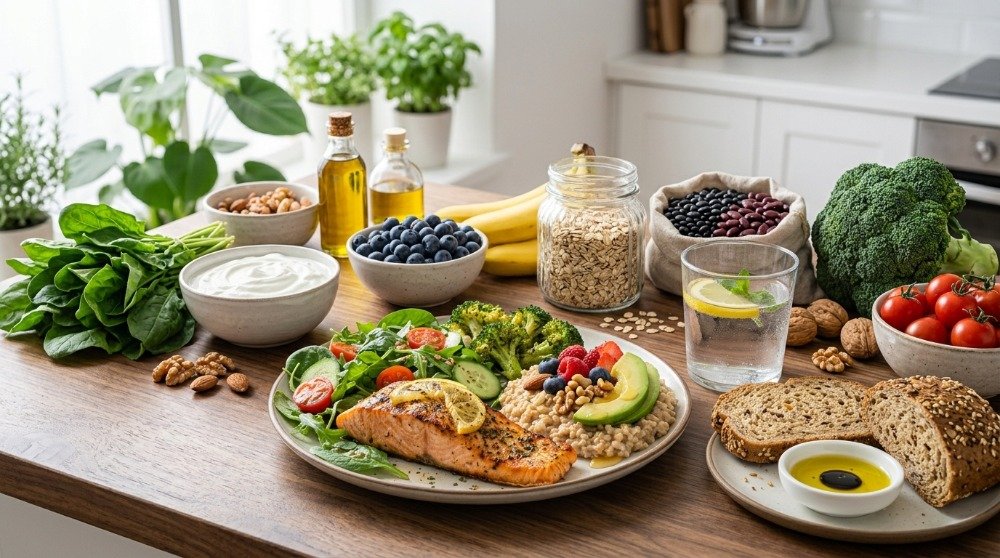
Building a heart healthy diet for high blood pressure starts with choosing nutrient-rich foods every day. The foods you eat every day have a direct impact on your heart and blood vessels. A heart healthy diet for high blood pressure focuses on foods that are naturally rich in vitamins, minerals, fiber, and healthy fats. These nutrients help support normal blood vessel function and reduce the effects of too much sodium. The goal is not to find one “miracle food.” Instead, build meals around a variety of heart-friendly foods that work together. Let’s look at the best choices.
1. Leafy Green Vegetables
Leafy greens are one of the best foods for people with high blood pressure. They are naturally rich in potassium, a mineral that helps balance sodium levels in the body. Potassium supports healthy blood vessel function and plays an important role in maintaining normal blood pressure. Good choices include:
- Spinach
- Kale
- Swiss chard
- Collard greens
- Romaine lettuce
Fresh vegetables are usually the best option. If you buy canned vegetables, choose products with no added salt whenever possible. Leafy vegetables are an important part of a heart healthy diet for high blood pressure because they naturally provide potassium and fiber.
2. Fresh Fruits
Most fruits are naturally low in sodium and packed with nutrients. Many also provide potassium, fiber, and antioxidants that support overall heart health. Some excellent choices include:
- Bananas
- Oranges
- Apples
- Berries
- Pears
- Kiwi
- Peaches
Instead of fruit juice, choose whole fruit whenever possible. Whole fruit provides more fiber and helps you feel full longer. Fresh fruit should be included daily in a heart healthy diet for high blood pressure whenever possible.
3. Whole Grains
Whole grains contain more nutrients and fiber than refined grains. They help support healthy digestion and may improve overall cardiovascular health when eaten regularly. Choose:
- Oatmeal
- Brown rice
- Whole wheat bread
- Whole grain pasta
- Quinoa
- Barley
When shopping, check the ingredient list. Whole grains should appear first. Whole grains make a heart healthy diet for high blood pressure more filling while providing extra fiber and nutrients.
4. Beans and Lentils
Beans and lentils are excellent additions to a heart healthy diet for high blood pressure. They provide:
- Plant protein
- Dietary fiber
- Potassium
- Magnesium
These foods are filling, affordable, and naturally low in saturated fat. Healthy options include:
- Black beans
- Kidney beans
- Chickpeas
- Lentils
- Pinto beans
If you buy canned beans, rinse them well under running water to remove excess sodium.
5. Fish Rich in Omega-3 Fatty Acids
Fatty fish provides healthy fats that support heart health. Eating fish two or more times each week may help improve your overall eating pattern. Good choices include:
- Salmon
- Sardines
- Trout
- Mackerel
Bake, grill, or steam fish instead of frying it.
6. Nuts and Seeds
Nuts and seeds are small, but they contain many important nutrients. They provide:
- Healthy unsaturated fats
- Magnesium
- Fiber
- Plant protein
Good options include:
- Almonds
- Walnuts
- Pistachios
- Chia seeds
- Flaxseeds
- Pumpkin seeds
Keep portions moderate because nuts are calorie dense. A small handful is usually enough.
7. Low Fat Dairy Products
Low-fat dairy provides calcium, protein, and potassium. These nutrients support healthy muscle and blood vessel function. Choose:
- Low-fat milk
- Plain yogurt
- Cottage cheese
Avoid flavored products that contain added sugar whenever possible.
8. Healthy Plant Oils
Replacing butter with healthier oils is a simple change that benefits your heart. The best choices include:
- Extra virgin olive oil
- Avocado oil
- Canola oil
These oils contain unsaturated fats that support cardiovascular health when used in moderation.
9. Herbs and Spices
One of the easiest ways to lower sodium intake is by using herbs instead of salt. Flavor your meals with:
- Garlic
- Ginger
- Basil
- Oregano
- Rosemary
- Thyme
- Black pepper
- Turmeric
These ingredients add flavor without increasing sodium.
10. Water
Many people focus only on food and forget about drinks. Water is the best choice for most adults. Staying hydrated helps your body function properly and supports overall health. Replace sugary beverages with:
- Water
- Sparkling water without added sugar
- Unsweetened herbal tea
Foods to Limit
A heart healthy diet for high blood pressure does not require giving up every favorite food. However, some foods should be eaten less often. Limit:
- White bread
- White rice
- Sugary cereals
- Sweet desserts
- Fast food
- Pizza
- Fried foods
- Butter
- Cream-based sauces
Enjoy these foods occasionally instead of every day.
Foods to Avoid as Much as Possible
Some foods are especially high in sodium or unhealthy fats. Eating them frequently may make blood pressure harder to manage. Try to avoid:
- Processed meats
- Bacon
- Sausage
- Hot dogs
- Instant noodles
- Packaged snacks
- Salted chips
- Canned soups with added salt
- Frozen ready meals
- Sugary soft drinks
- Energy drinks
Reading food labels can help you spot hidden sodium before buying.
Heart Healthy Foods vs. Foods to Avoid
| Choose More Often | Limit or Avoid |
| Fresh vegetables | Processed meats |
| Fresh fruit | Fast food |
| Whole grains | White bread |
| Beans and lentils | Instant noodles |
| Fish | Fried foods |
| Nuts and seeds | Salty snacks |
| Low-fat dairy | Sugary drinks |
| Olive oil | Butter and trans fats |
Easy Food Swaps
Healthy eating becomes easier when you make simple swaps instead of changing everything at once.
| Instead of… | Try… |
| White bread | Whole grain bread |
| Potato chips | Unsalted nuts |
| Soda | Water with lemon |
| Fried chicken | Grilled chicken |
| Butter | Olive oil |
| Sugary yogurt | Plain yogurt with fruit |
| Instant noodles | Homemade vegetable soup |
Small changes repeated every day often lead to the biggest long-term improvements.

Heart Healthy Grocery Shopping List
Use this simple checklist when shopping. Shopping wisely makes it much easier to follow a heart healthy diet for high blood pressure every week.
Fresh Produce
✔ Spinach
✔ Broccoli
✔ Tomatoes
✔ Bell peppers
✔ Apples
✔ Bananas
✔ Oranges
✔ Berries
Whole Grains
✔ Oatmeal
✔ Brown rice
✔ Whole wheat bread
✔ Quinoa
Protein
✔ Salmon
✔ Tuna
✔ Skinless chicken
✔ Beans
✔ Lentils
✔ Eggs
Healthy Fats
✔ Olive oil
✔ Almonds
✔ Walnuts
✔ Chia seeds
Dairy
✔ Low-fat milk
✔ Plain yogurt
✔ Cottage cheese
Simple Tips to Eat Less Salt
Reducing sodium doesn’t have to be difficult. Try these habits:
- Taste food before adding salt.
- Cook more meals at home.
- Choose fresh foods over packaged meals.
- Read nutrition labels carefully.
- Buy products labeled “low sodium” when available.
- Season food with herbs and spices instead of extra salt.
These small habits can make a noticeable difference over time.
Quick Summary
A heart healthy diet for high blood pressure should include:
✔ Plenty of vegetables
✔ Fresh fruit
✔ Whole grains
✔ Beans and lentils
✔ Fish
✔ Nuts and seeds
✔ Low-fat dairy
✔ Healthy oils
At the same time, reduce sodium, processed foods, sugary drinks, and foods high in saturated fat.
One Day Heart Healthy Meal Plan for High Blood Pressure
Eating healthy doesn’t have to be complicated. A simple meal plan can help you build better habits without feeling overwhelmed. This sample menu shows how a heart healthy diet for high blood pressure can look in everyday life. The example below follows the basic principles of a heart healthy diet for high blood pressure.
| Meal | Healthy Choice |
| Breakfast | Oatmeal topped with berries and walnuts with a glass of low-fat milk |
| Morning Snack | One banana with a small handful of unsalted almonds |
| Lunch | Grilled chicken breast, brown rice, steamed broccoli, and mixed salad with olive oil |
| Afternoon Snack | Plain low-fat yogurt with fresh fruit |
| Dinner | Baked salmon, roasted sweet potato, and steamed spinach |
| Drinks | Water, sparkling water without sugar, or unsweetened herbal tea |
This meal plan is only an example. You can adjust it based on your personal preferences, culture, allergies, or dietary needs.
Smart Eating Habits That Support Healthy Blood Pressure
Healthy food choices matter, but daily habits matter too. Try these simple tips:
- Add vegetables to half of your dish.
- Stop refined grains altogether.
- Eat more foods made at home.
- Keep healthy meals.
- Eat enough water throughout the day.
- Monitor the size of the portions.
- Before purchasing packaged foods, read the labels.
- Consistently avoid eating late at night and salty snacks.
Small habits practiced every day often produce better long-term results than short-term diets.
How to Eat Healthy When Dining Out
Eating at restaurants does not mean you have to stop following a heart healthy diet for high blood pressure. Restaurant meals often contain more sodium than home-cooked meals. That doesn’t mean you have to avoid eating out completely. Instead:
- Choose grilled instead of fried foods.
- Ask for sauces and dressings on the side.
- Order vegetables as your side dish.
- Skip extra salt.
- Drink water instead of sugary beverages.
- Share large portions if needed.
Planning ahead makes healthier choices much easier.
How to Read Food Labels?
Food labels can help you reduce sodium without giving up convenience. Pay attention to:
Sodium
Choose products labeled:
- Low sodium
- No added salt
- Reduced sodium
Compare similar products before buying.
Saturated Fat
Look for foods that are lower in saturated fat. Replacing saturated fat with healthier unsaturated fats supports overall heart health.
Added Sugar
Many packaged foods contain more added sugar than people realize. Choose products with little or no added sugar whenever possible.
Can Certain Foods Help Lower Blood Pressure?
Some foods are commonly recommended because they provide nutrients that support healthy blood pressure. These include:
- Bananas
- Leafy greens
- Oats
- Beans
- Yogurt
- Salmon
- Berries
- Beetroot
- Tomatoes
No single food can lower blood pressure on its own. The biggest benefits come from following a balanced eating pattern consistently.
Common Questions About Heart Healthy Foods
Are eggs okay?
Yes. Most healthy adults can enjoy eggs as part of a balanced diet. Cooking methods matter more than the eggs themselves. Boiled or poached eggs are healthier choices than fried eggs cooked in large amounts of butter.
Is coffee allowed?
For many people, moderate coffee intake is acceptable. However, caffeine may temporarily raise blood pressure in some individuals. If you have concerns, discuss your caffeine intake with your healthcare provider.
Can I eat bananas?
Yes. Bananas are naturally rich in potassium, making them a popular choice for many heart-healthy eating plans. People with kidney disease should follow their healthcare provider’s advice regarding potassium intake.
Is rice healthy?
Yes. Brown rice is usually a better choice than white rice because it contains more fiber and nutrients. Portion size is still important.
Is bread allowed?
Yes. Choose whole grain or whole wheat bread instead of refined white bread whenever possible.
Can I eat cheese?
Yes, but moderation is important. Choose lower-fat and lower-sodium varieties when available.
Lifestyle Changes That Work Alongside Diet
A heart healthy diet for high blood pressure works best when combined with other healthy habits. These include:
- Regular physical activity
- Maintaining a healthy weight
- Getting enough sleep
- Managing stress
- Avoiding tobacco
- Limiting alcohol
- Taking prescribed medication as directed
Healthy eating is only one part of long-term blood pressure management.
Common Mistakes to Avoid
Many people unintentionally make choices that reduce the benefits of healthy eating. Common mistakes include:
- Depending on processed “healthy” foods.
- Adding extra salt after cooking.
- Drinking sugary beverages every day.
- Eating large portions.
- Ignoring nutrition labels.
- Expecting immediate results.
Improving blood pressure usually takes time. Consistency matters much more than perfection.
Myth vs. Fact
Myth: I only need to stop eating salt.
Fact: Lowering sodium helps, but your overall eating pattern matters much more.
Myth: Healthy food is expensive.
Fact: Beans, oats, frozen vegetables, and seasonal fruit are affordable and highly nutritious.
Myth: I have to follow a strict diet forever.
Fact: A heart healthy diet is about making sustainable choices, not following restrictive rules.
Myth: Medication means diet no longer matters.
Fact: Healthy eating and medication often work together to support better blood pressure control.
When to See a Doctor
Healthy eating supports blood pressure management, but it does not replace medical care. Speak with your healthcare provider if:
- Your blood pressure remains consistently high.
- You develop chest pain.
- You experience severe headaches or vision changes.
- You feel dizzy or faint frequently.
- You have swelling in your legs or feet.
- You have questions about changing your diet because of another medical condition, such as kidney disease or diabetes.
Always seek emergency medical care if you experience symptoms that could suggest a heart attack or stroke.
Frequently Asked Questions
What is the best heart healthy diet for high blood pressure?
The DASH diet is widely recommended because it emphasizes fruits, vegetables, whole grains, lean protein, and low-fat dairy while limiting sodium.
How much salt should I eat each day?
Many health organizations recommend limiting sodium intake to about 2,300 mg per day, with lower amounts often recommended for people with high blood pressure.
How long does it take for diet changes to help blood pressure?
Some people notice improvements within a few weeks, while others may take longer. Results vary depending on overall health and lifestyle.
Can I lower blood pressure through diet alone?
Some people see significant improvements through healthy eating and lifestyle changes. Others may also need medication prescribed by their healthcare provider.
What drinks are best for high blood pressure?
Water is the best everyday choice. Unsweetened herbal tea and sparkling water without added sugar are also good options.
Are frozen vegetables healthy?
Yes. Frozen vegetables without added sauces or salt provide many of the same nutrients as fresh vegetables.
Is the Mediterranean diet good for high blood pressure?
Yes. The Mediterranean diet supports heart health and may help maintain healthy blood pressure when combined with other healthy lifestyle habits.
Should I avoid all fat?
No. Healthy unsaturated fats from foods like olive oil, nuts, seeds, and fish are important for heart health.
Final Thoughts
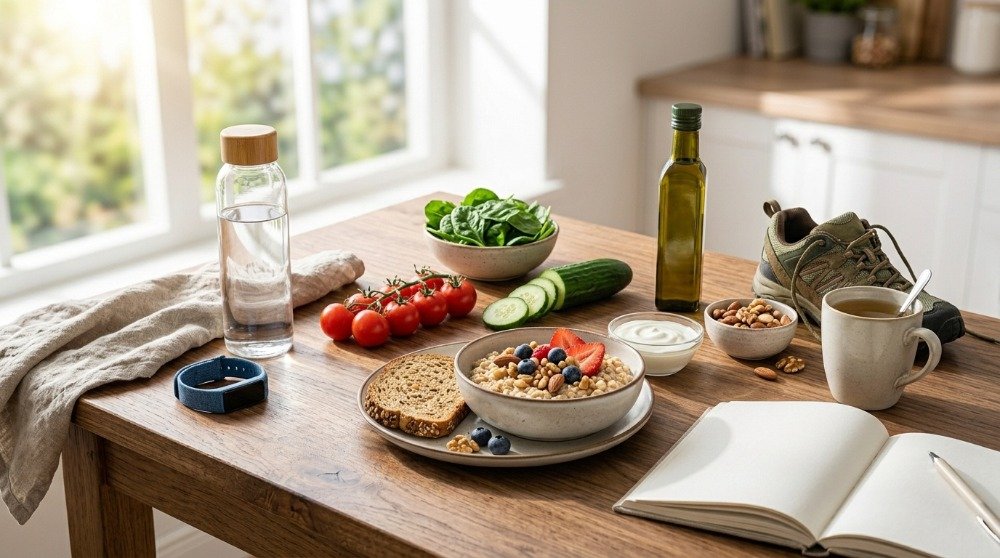
Following a heart healthy diet for high blood pressure is one of the most effective long-term steps you can take to support your cardiovascular health. Focus on progress rather than perfection. Every healthier meal is a step toward better heart health.
You don’t need to change everything overnight. Small improvements, such as eating more vegetables, choosing whole grains, reducing sodium, and replacing processed foods with fresh ingredients, can make a meaningful difference over time.
Remember that a heart healthy diet for high blood pressure works best when combined with regular physical activity and other healthy lifestyle habits. Healthy eating works best when combined with regular physical activity, quality sleep, stress management, and routine medical care. Together, these habits help protect your heart and support healthier blood pressure for years to come.