

Introduction
Gas and bloating can affect anyone, but understanding the cause makes treatment much easier. Almost everyone experiences gas and bloating at some point. Your stomach may feel tight, swollen, or full after eating. Sometimes the discomfort goes away within a few minutes. Other times, trapped gas can cause pressure, cramping, or even sharp pain that makes it hard to focus on your day. In many cases, gas and bloating are harmless. They often happen because of the foods you eat, swallowing too much air, or normal digestion.
However, frequent or severe symptoms may indicate an underlying digestive problem that requires medical attention. The good news is that most people can find relief with simple lifestyle changes, home remedies, gentle movement, or over-the-counter (OTC) medicines. Knowing the cause of your symptoms is the first step toward choosing the right treatment. This complete guide explains what gas and bloating are, what causes them, how to remove trapped gas quickly, which exercises and home remedies may help, the best OTC medicines, and when it is time to see a doctor.
What Is Gas and Bloating?
Gas and bloating are common digestive symptoms that often occur together but are not the same thing. Gas is the air that builds up in your digestive tract during digestion or when you swallow air. Bloating is the feeling of fullness, pressure, or swelling in your abdomen. Most cases improve with home care, but persistent or severe symptoms should be evaluated by a healthcare professional. Most cases of gas and bloating improve with simple lifestyle changes and healthy daily habits.
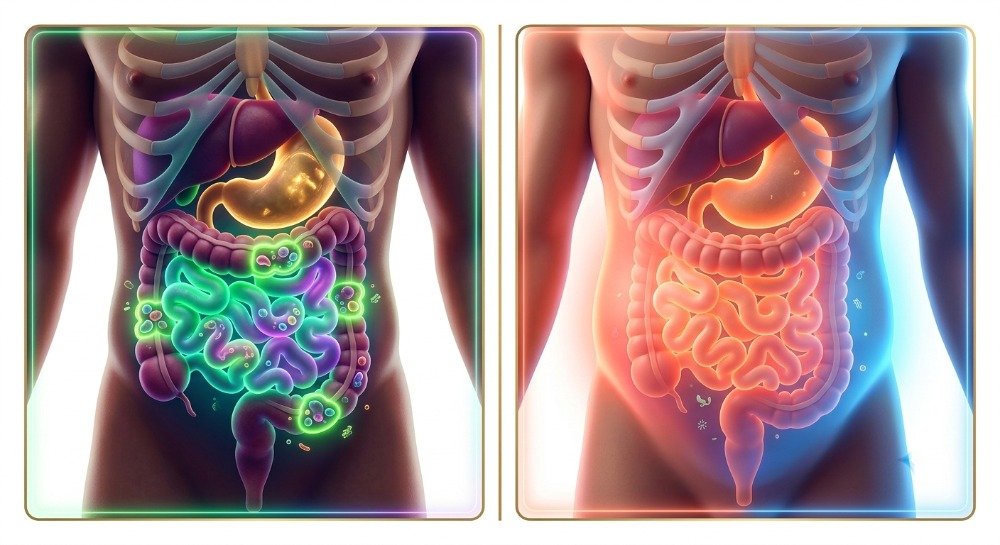
Gas and Bloating at a Glance
| Question | Quick Answer |
| What is gas? | Air that builds up in the digestive system. |
| What is bloating? | A feeling of fullness or pressure in the abdomen. |
| Is it common? | Yes. Most people experience it from time to time. |
| Can it go away on its own? | Yes. Many cases improve without medical treatment. |
| Can home remedies help? | Yes. Walking, hydration, warm drinks, and other simple measures often provide relief. |
| When should I see a doctor? | If symptoms are severe, persistent, or occur with warning signs like weight loss, vomiting, or blood in the stool. |
Although related, gas and bloating do not always have the same cause.
Why Understanding Gas and Bloating Matters
The majority of people believe that bloating and gas are minor inconveniences. Although that’s frequently correct, these symptoms have more atypical effects than you might think. Bloated stomachs can make your clothes feel strong, lessen your appetite, and make you feel uneasy after eating. Pressure produced by compressed gas may feel amazingly painful. Some people also mistake a heart condition or other medical emergency for serious gas pain.
Knowing the reasons behind these symptoms can help you choose the most effective treatment and prevent unnecessary stress. It can also assist you in determining when a medical professional should evaluate your symptoms if they are no longer typical.
Doctor’s Tip: Occasional gas and bloating are usually normal. However, symptoms that are frequent, severe, or continue for several weeks deserve medical attention, especially if they are accompanied by weight loss, persistent diarrhea, blood in the stool, or severe abdominal pain.
What Is Gas?
Gas is a normal part of digestion. Every day, your digestive system produces gas as food is broken down. You also swallow small amounts of air when you eat, drink, chew gum, or talk. Most of this gas moves through your digestive tract without causing problems. It either leaves the body by belching or passes through the intestines as flatulence.
Problems begin when gas builds up faster than your body can remove it. This trapped gas can stretch parts of your digestive tract, leading to pressure, bloating, cramping, or sharp abdominal pain. Although it may feel uncomfortable, gas itself is usually not harmful. In fact, passing gas is a normal sign that your digestive system is working.
Where Does Gas Come from?
Gas mainly comes from two sources.
1. Swallowed Air
Every time you eat, drink, laugh, or speak, you swallow a small amount of air. You may swallow even more air if you:
- Eat too quickly
- Drink through a straw
- Chew gum often
- Smoke or vape
- Wear loose-fitting dentures
- Drink carbonated beverages
Most swallowed air is released by burping. If some of it moves into your intestines, it may contribute to bloating or gas later.
2. Digestion in the Large Intestine
Not all foods are fully digested in the stomach or small intestine. When certain carbohydrates reach the large intestine, healthy gut bacteria break them down through fermentation. This natural process produces gases such as hydrogen, methane, and carbon dioxide.
For most people, this is completely normal. However, some foods produce more gas than others, which is why you may feel bloated after certain meals.
What Is Bloating?
Bloating is the uncomfortable feeling that your abdomen is full, tight, or swollen. Some people describe it as feeling like their stomach is “stretched” or “puffed up.” In some cases, your abdomen may actually appear larger than usual. In other cases, you may simply feel pressure without noticeable swelling.
Bloating is a symptom, not a disease. It can occur for many different reasons, including excess gas, constipation, food intolerances, digestive disorders, hormonal changes, or slow movement of food through the digestive tract. For many people, bloating comes and goes. Others may experience it regularly, especially after eating certain foods.
Related Guide: Heart Healthy Diet for High Blood Pressure: Best Foods & Meal Plan
Gas vs. Bloating: What’s the Difference?
Although people often use the terms interchangeably, gas and bloating are different. Understanding the difference can help you better describe your symptoms and choose the right treatment.
| Gas | Bloating |
| Gas is air inside the digestive tract. | Bloating is the feeling of fullness, tightness, or pressure in the abdomen. |
| Often causes burping or passing gas. | May occur with or without excess gas. |
| Can cause cramping or sharp pain if trapped. | Usually feels like swelling or abdominal tightness. |
| Often improves after passing gas. | May improve after gas passes or after a bowel movement, depending on the cause. |
Key Takeaway
Gas is something your body produces. Bloating is the sensation you feel. While trapped gas can cause bloating, other conditions such as constipation, food intolerance, or digestive disorders may also lead to a bloated stomach.
What Causes Gas and Bloating?
Gas and bloating can have many different causes. Some are linked to everyday habits, while others may be related to digestive conditions or certain foods. Understanding the cause is one of the best ways to prevent symptoms from coming back. Below are the most common reasons people experience gas and bloating.
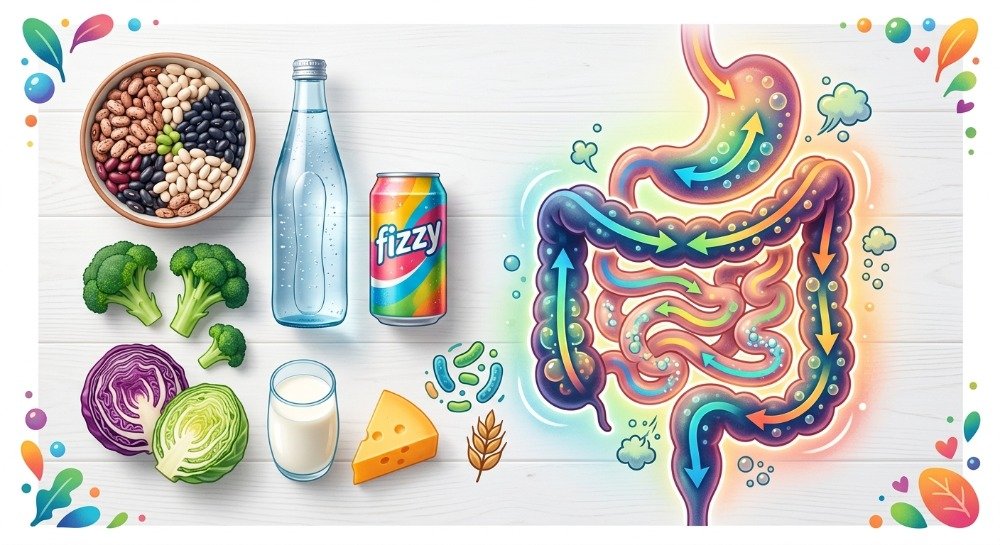
1. Swallowing Too Much Air
One of the simplest causes of gas is swallowing extra air throughout the day. This can happen if you:
- Eat too quickly
- Drink carbonated beverages
- Chew gum frequently
- Talk while eating
- Drink through a straw
- Smoke or vape
These habits increase the amount of air entering your digestive system, which can lead to burping, bloating, and excess gas.
2. Eating Gas-Producing Foods
Some healthy foods naturally create more gas as they are digested. Common examples include:
- Beans
- Lentils
- Broccoli
- Cabbage
- Cauliflower
- Brussels sprouts
- Onions
- Apples
- Pears
This doesn’t mean you should avoid these foods completely. Many are rich in fiber and important nutrients. Instead, notice which foods trigger your symptoms and enjoy them in moderation if needed.
3. High-Fiber Foods
Fiber supports healthy digestion, but increasing your fiber intake too quickly can temporarily increase gas production. If you are adding more fruits, vegetables, or whole grains to your diet, do it gradually and drink plenty of water. This gives your digestive system time to adjust. Learning what triggers your gas and bloating is the first step toward lasting relief.
Other Common Causes of Gas and Bloating
Gas and bloating are not always caused by the foods you eat. Sometimes, an underlying digestive condition or lifestyle habit is the real reason behind your symptoms. Learning about these causes can help you find long-term relief instead of treating the symptoms over and over again.
1. Food Intolerances
Some people have trouble digesting certain foods. When these foods are not fully broken down, they reach the large intestine, where gut bacteria ferment them and produce extra gas. This often leads to bloating, cramping, and abdominal discomfort. Common food intolerances include:
- Lactose intolerance (milk and dairy products)
- Fructose intolerance (certain fruits and sweeteners)
- Gluten-related disorders, such as celiac disease
- Sensitivity to certain high-FODMAP foods
Unlike food allergies, food intolerances usually do not affect the immune system. Instead, they mainly cause digestive symptoms. If you notice that gas and bloating occur after eating the same foods repeatedly, keeping a food diary may help identify possible triggers.
Doctor’s Tip: Do not remove entire food groups from your diet without medical advice. A healthcare professional or registered dietitian can help identify food intolerances while ensuring you continue to meet your nutritional needs.
2. Constipation
Constipation is one of the most common causes of bloating. When stool stays in the colon for too long, it becomes harder and more difficult to pass. During this time, bacteria continue breaking down waste, producing more gas. As gas builds up behind the stool, your abdomen may feel tight, swollen, and uncomfortable. You may also notice:
- Fewer bowel movements
- Hard or dry stools
- Straining during bowel movements
- A feeling that you haven’t completely emptied your bowels
Treating constipation often improves both gas and bloating.
3. Irritable Bowel Syndrome (IBS)
Irritable bowel syndrome, or IBS, is a common digestive disorder that affects how the intestines function. Many people with IBS experience frequent bloating, gas, and abdominal pain. Other symptoms may include:
- Diarrhea
- Constipation
- Alternating diarrhea and constipation
- Cramping that improves after a bowel movement
Although IBS does not damage the digestive tract, it can significantly affect daily life. Managing stress, adjusting your diet, and following your healthcare provider’s treatment plan may help control symptoms.
4. Changes in Gut Bacteria
Your digestive system contains trillions of bacteria that help digest food. These bacteria are an important part of a healthy gut. However, changes in the balance of gut bacteria may increase gas production in some people. This can happen after:
- Taking antibiotics
- Changes in diet
- Certain digestive conditions
A healthy, balanced diet that includes fiber-rich foods may help support a healthy gut microbiome over time.
5. Eating Too Quickly
Many people don’t realize how much their eating habits affect digestion. When you eat too fast, you swallow more air and may not chew your food thoroughly. Both of these factors can increase gas production and make digestion less efficient. Instead, try to:
- Eat slowly
- Chew each bite well
- Put your fork down between bites
- Avoid rushing through meals
These simple habits may noticeably reduce bloating.
5. Carbonated Drinks
Soft drinks, sparkling water, and other carbonated beverages contain carbon dioxide gas. As you drink them, some of this gas enters your digestive system. This may lead to:
- Burping
- Stomach pressure
- Temporary bloating
If you often feel bloated after drinking fizzy beverages, reducing them may help.
6. Stress and Anxiety
Your brain and digestive system are closely connected. During periods of stress, digestion may slow down or become more sensitive. Some people notice:
- Increased bloating
- More stomach discomfort
- Changes in bowel habits
- Feeling full more quickly
Stress does not directly create gas, but it can make existing digestive symptoms feel worse. Finding healthy ways to manage stress may improve both your mental well-being and your digestive health.
7. Hormonal Changes
Many women experience bloating before or during their menstrual period. Hormonal fluctuations can affect how the body holds fluid and how quickly food moves through the digestive system. This type of bloating is usually temporary and improves as hormone levels return to normal.
8. Certain Medical Conditions
Although occasional gas is normal, persistent bloating may sometimes be linked to an underlying medical condition. Examples include:
- Celiac disease
- Inflammatory bowel disease (IBD)
- Gastroesophageal reflux disease (GERD)
- Gastroparesis
- Small intestinal bacterial overgrowth (SIBO)
- Ovarian conditions (in women)
- Certain digestive cancers (rare)
These conditions are much less common than dietary or lifestyle causes, but they should be considered if symptoms are severe, persistent, or associated with warning signs.
Common Symptoms of Gas and Bloating
Gas and bloating can feel different from one person to another. Some people only notice mild fullness after eating, while others experience significant discomfort. Common symptoms include:
- A swollen or tight abdomen
- Feeling unusually full after meals
- Frequent burping
- Passing more gas than usual
- Cramping
- Sharp or dull abdominal pain
- Rumbling noises in the stomach
- Pressure in the abdomen
- A feeling that your stomach is stretched
Many of these symptoms improve after passing gas or having a bowel movement.
Symptoms that May Suggest a More Serious Problem
Most gas and bloating are harmless. However, some symptoms should never be ignored. Contact a healthcare professional if your gas or bloating occurs with:
- Severe abdominal pain
- Blood in the stool
- Persistent vomiting
- Unexplained weight loss
- Difficulty swallowing
- Ongoing diarrhea
- Fever
- Persistent constipation that does not improve
- A swollen abdomen that continues to worsen
These symptoms may indicate an underlying medical condition that requires evaluation.
How to Remove Gas from the Stomach Instantly at Home?
When trapped gas causes discomfort, many people want relief as quickly as possible. Although there is no magic cure that works instantly for everyone, several simple methods may help move gas through your digestive tract and reduce pressure. The best approach often combines gentle movement, hydration, and relaxation.
First 30-Minute Gas Relief Plan
If you suddenly develop trapped gas after a meal, try these steps.
Step 1: Take a Gentle Walk
Walking for 10 to 15 minutes encourages the natural movement of your intestines. This can help trapped gas move through your digestive system more easily. Even a slow walk around your home may make a difference.
Step 2: Sip Warm Water
Warm water may help relax your digestive muscles and encourage normal digestion. Drink slowly rather than all at once. Avoid carbonated drinks, which may add even more gas.
Step 3: Try Gentle Abdominal Massage
Place your hands on your abdomen and gently massage in slow clockwise circles. This follows the natural direction of your large intestine and may help trapped gas move forward. Stop immediately if massage increases your pain.
Step 4: Apply Gentle Heat
A warm heating pad or hot water bottle placed over your abdomen may help relax tight muscles and reduce cramping. Always protect your skin with a towel and avoid excessive heat.
Step 5: Avoid Lying Completely Flat
Instead of lying flat on your back, stay upright or sit comfortably for a while. Gravity may help move gas through your digestive tract.
Best Home Remedies for Gas and Bloating
Many home remedies have been used for years to ease digestive discomfort. While results vary from person to person, these options are generally safe for most healthy adults.
1. Warm Herbal Tea
Warm herbal tea may help relax the digestive tract and improve comfort. Popular choices include:
- Peppermint tea
- Chamomile tea
- Ginger tea
Avoid peppermint if it worsens your acid reflux.
2. Fresh Ginger
Ginger has long been used to support digestion. Some people find that ginger tea or small amounts of fresh ginger help reduce bloating and nausea. It may also encourage normal stomach emptying.
3. Peppermint
Peppermint may help relax the muscles of the digestive tract, making it easier for gas to pass. Peppermint tea is a simple option for many people. However, it may not be suitable for individuals with GERD because it can sometimes worsen heartburn.
4. Stay Hydrated
Water supports healthy digestion and may help prevent constipation, which is a common cause of bloating. Aim to drink fluids regularly throughout the day rather than waiting until you feel thirsty.
5. Eat Smaller Meals
Large meals place more work on your digestive system. Eating smaller portions more frequently may reduce bloating after eating. Try eating slowly and stopping before you feel overly full.
6. Avoid Trigger Foods
If certain foods consistently cause gas, reducing them may help. Common triggers include:
- Beans
- Onions
- Cabbage
- Carbonated drinks
- Artificial sweeteners
- Fatty meals
Keeping a food diary can help identify personal triggers.
Key Takeaway
Most episodes of gas and bloating improve with simple self-care. Gentle walking, warm fluids, hydration, eating slowly, and avoiding known trigger foods are often enough to relieve mild symptoms without medication.
How to Remove Gas from the Stomach Instantly with Exercise?
Gentle movement is one of the safest and most effective ways to encourage trapped gas to move through the intestines. Unlike intense exercise, these movements are designed to relax your abdominal muscles and support normal digestion. Regular physical activity is one of the easiest ways to reduce gas and bloating naturally.
1. Walking
Walking is often the first recommendation because it naturally stimulates bowel movement. A 10 to 20-minute walk after eating may help reduce bloating and improve digestion.
2. Knees-to-Chest Stretch (Wind-Relieving Pose)
Lie on your back. Bring one or both knees toward your chest. Hold for 20 to 30 seconds while breathing slowly. This gentle stretch may help release trapped gas and reduce abdominal pressure.
3. Child’s Pose
Child’s Pose is a relaxing yoga stretch that gently compresses the abdomen. Many people find it helpful for easing mild digestive discomfort. Hold the position for 30 to 60 seconds while taking slow, deep breaths.
4. Happy Baby Pose
This yoga pose gently stretches the hips and lower abdomen. Some people find it helps trapped gas move through the intestines more comfortably. Avoid forcing the stretch if it causes pain.
5. Seated Spinal Twist
A gentle seated twist may massage the abdominal organs and encourage movement within the digestive tract. Move slowly and avoid sudden twisting motions.
Exercise Comparison
| Exercise | Difficulty | Best For | Time |
| Walking | Easy | Mild bloating after meals | 10–20 minutes |
| Knees-to-Chest | Easy | Trapped gas | 30 seconds |
| Child’s Pose | Easy | Abdominal tightness | 1 minute |
| Happy Baby Pose | Moderate | Gas pressure | 30–60 seconds |
| Seated Twist | Easy | Gentle digestive support | 1 minute |
Doctor’s Tip: Stop exercising and seek medical advice if abdominal pain is severe, sudden, or accompanied by fever, vomiting, fainting, or blood in the stool. Exercise should never be used to push through symptoms that could signal a medical emergency.
Best Over-the-Counter (OTC) Medicines for Gas and Bloating
Sometimes, home remedies and gentle exercise are not enough to relieve trapped gas or bloating. In these situations, over-the-counter (OTC) medicines may help reduce discomfort. The best choice depends on what is causing your symptoms. No single medicine works for every type of gas or bloating.
Before taking any OTC medicine, always read the label carefully and follow the recommended dosage. If your symptoms are frequent or severe, speak with a healthcare professional instead of relying on long-term self-treatment. Not every medicine works for every type of gas and bloating, so choosing the right one is important.

1. Simethicone
Best for: Trapped gas, bloating, and stomach pressure
Simethicone is one of the most commonly used OTC medicines for gas relief. It works by breaking up small gas bubbles in the stomach and intestines into larger bubbles. This makes it easier for your body to pass the gas naturally. Many people find it helpful when they experience:
- Trapped gas
- Abdominal bloating
- Feeling of fullness after meals
- Pressure caused by excess gas
Simethicone does not stop your body from producing gas. Instead, it helps move trapped gas through your digestive system more comfortably. It is generally well tolerated when used as directed.
2. Alpha-Galactosidase
Best for: Gas caused by beans, vegetables, and high-fiber foods
Some healthy foods contain complex carbohydrates that are difficult to digest. Alpha-galactosidase is an enzyme supplement that helps break down these carbohydrates before they reach the large intestine. This may reduce gas production after eating foods such as:
- Beans
- Lentils
- Broccoli
- Cabbage
- Brussels sprouts
For best results, it should be taken before the first bite of the meal, not after symptoms begin.
3. Lactase Enzyme Supplements
Best for: Lactose intolerance
If milk, cheese, or ice cream consistently cause bloating, cramps, or gas, lactose intolerance may be the reason. Lactase supplements help your body digest lactose, the natural sugar found in dairy products.
Taking a lactase supplement before eating dairy may help reduce digestive symptoms in people who are lactose intolerant. However, it will not help if your gas has another cause.
4. Antacids
Best for: Gas associated with acid indigestion or heartburn
Some antacids can provide temporary relief when gas occurs along with:
- Heartburn
- Acid reflux
- Indigestion
Certain antacid products also contain simethicone, offering relief for both indigestion and trapped gas. Remember that antacids are designed to reduce stomach acid, not to treat all causes of bloating.
5. Activated Charcoal
Best for: Limited situations
Activated charcoal is sometimes marketed for gas relief. However, the scientific evidence supporting its effectiveness is mixed. Some people report symptom improvement, while others notice little or no benefit.
Because activated charcoal may interfere with the absorption of certain medications, it should not be taken at the same time as prescription medicines without medical advice.
OTC Medicine Comparison
| OTC Medicine | Best For | How It Works | Important Note |
| Simethicone | Trapped gas and bloating | Helps combine gas bubbles so they pass more easily | Often the first OTC option for gas relief |
| Alpha-Galactosidase | Gas from beans and vegetables | Breaks down complex carbohydrates | Take before eating |
| Lactase | Dairy-related gas | Helps digest lactose | Only works for lactose intolerance |
| Antacids | Heartburn with gas | Neutralizes stomach acid | Some products also contain simethicone |
| Activated Charcoal | Occasional gas | Evidence remains limited | May affect other medicines |
Doctor’s Tip: If you need OTC medicines several times each week, your symptoms may have an underlying cause that should be evaluated by a healthcare professional.
Foods That May Help Reduce Gas and Bloating
Your diet plays a major role in digestive health. While everyone’s body is different, certain foods are generally easier to digest and may help reduce bloating.
1. Ginger
Ginger has been used for generations to support healthy digestion. Some research suggests it may help food move through the stomach more efficiently, which can reduce feelings of fullness. Fresh ginger, ginger tea, or small amounts added to meals may be helpful for some people.
2. Peppermint
Peppermint may relax the muscles of the digestive tract, making it easier for trapped gas to move. Peppermint tea is a popular choice. However, people with acid reflux should use peppermint carefully because it may worsen heartburn.
3. Yogurt with Live Cultures
Some yogurts contain beneficial bacteria that may support a healthy gut microbiome. For some people, these probiotics may improve digestion over time. Choose products with live and active cultures and low added sugar.
4. Bananas
Bananas are gentle on the stomach and provide potassium, which helps maintain normal fluid balance. They are often well tolerated by people experiencing mild digestive discomfort.
5. Oatmeal
Oatmeal provides soluble fiber, which supports regular bowel movements. Introduce fiber gradually and drink enough water to avoid worsening gas.
6. Rice
Plain white rice is usually easy to digest and rarely causes excess gas. It can be a good choice when your stomach feels sensitive.
7. Warm Broth
Warm broth helps maintain hydration while being easy on the digestive system. It may also feel soothing when you are experiencing stomach discomfort.
Foods That Commonly Cause Gas
Not everyone reacts to the same foods. However, these foods are more likely to increase gas production in some people.
1. Vegetables
- Broccoli
- Cabbage
- Cauliflower
- Brussels sprouts
These vegetables are healthy but naturally contain carbohydrates that can increase gas during digestion.
2. Beans and Lentils
Beans are rich in fiber and plant protein. They also contain natural sugars that are fermented by gut bacteria, producing gas. Soaking dried beans before cooking may help reduce gas for some people.
3. Carbonated Drinks
Soft drinks, sparkling water, and other fizzy beverages introduce extra gas into the digestive tract. Reducing these drinks may decrease bloating.
4. Artificial Sweeteners
Sugar alcohols such as:
- Sorbitol
- Mannitol
- Xylitol
may cause gas and bloating in sensitive individuals. These ingredients are commonly found in sugar-free gum and candy.
5. Fatty Foods
High-fat meals slow stomach emptying. This may increase feelings of fullness and bloating after eating.
6. Dairy Products
People with lactose intolerance may develop:
- Gas
- Bloating
- Diarrhea
- Cramping
after consuming milk or other dairy products.
Foods That Help vs. Foods That Trigger Gas
| Foods That May Help | Foods That May Increase Gas |
| Ginger | Beans |
| Bananas | Broccoli |
| Rice | Cabbage |
| Oatmeal | Carbonated drinks |
| Yogurt with live cultures | Artificial sweeteners |
| Warm broth | Fatty meals |
| Peppermint tea | Dairy (if lactose intolerant) |
Your daily diet has a major impact on gas and bloating, making food choices an important part of prevention.
How to Prevent Gas and Bloating?
Although you cannot prevent every episode of gas, healthy daily habits can greatly reduce your risk.
1. Eat Slowly
Eating too quickly increases the amount of air you swallow. Take your time and chew food thoroughly before swallowing.
2. Avoid Overeating
Large meals place extra stress on your digestive system. Eating smaller portions may reduce bloating after meals.
3. Stay Physically Active
Even a short walk after eating encourages normal digestion. Regular physical activity also helps prevent constipation, another common cause of bloating.
4. Drink Enough Water
Water supports healthy digestion and keeps stool soft. This reduces the risk of constipation-related gas.
5. Identify Personal Food Triggers
Everyone’s digestive system is different. Keeping a food diary can help you discover which foods trigger your symptoms. Once identified, you can reduce those foods without unnecessarily restricting your diet.
6. Manage Stress
Stress affects communication between the brain and the digestive system. Simple stress-management techniques such as deep breathing, meditation, or regular exercise may help improve digestive comfort.
Daily Prevention Checklist
✔ Eat slowly.
✔ Chew food well.
✔ Drink enough water.
✔ Walk after meals.
✔ Avoid excessive carbonated drinks.
✔ Limit chewing gum.
✔ Manage constipation early.
✔ Get regular physical activity.
✔ Keep a food diary if symptoms are frequent.
Healthy habits can lower the chances of frequent gas and bloating over time.. Occasional gas and bloating are common, but persistent symptoms deserve medical attention.
When Should You See a Doctor?
Occasional gas and bloating are usually nothing to worry about. However, ongoing or severe symptoms should never be ignored. Schedule an appointment with your healthcare provider if:
- Gas or bloating lasts for several weeks.
- Symptoms are becoming more frequent.
- Home remedies and OTC medicines do not help.
- You develop constipation or diarrhea that does not improve.
- Eating becomes difficult because of bloating.
- You suspect a food intolerance but are unsure of the cause.

Seek Emergency Medical Care Immediately If You Have:
- Severe or sudden abdominal pain
- Difficulty breathing
- Persistent vomiting
- Blood in your stool
- Black, tarry stools
- High fever with abdominal pain
- Fainting or severe dizziness
- A swollen abdomen that becomes rapidly larger
- Unexplained weight loss along with persistent bloating
These symptoms may indicate a more serious medical condition that requires urgent evaluation.
Quick Decision Guide
✔ Home Care May Be Enough If:
- Your symptoms started after a heavy meal.
- Gas improves after passing gas or having a bowel movement.
- You have mild bloating without other concerning symptoms.
- Symptoms improve with walking, hydration, or simple home remedies.
📞 Contact Your Healthcare Provider If:
- Gas and bloating occur several times each week.
- Symptoms continue despite lifestyle changes.
- You suspect lactose intolerance or another food intolerance.
- Bloating interferes with your daily activities.
🚨 Go to the Emergency Department If:
- You have severe abdominal pain.
- Your abdomen becomes very swollen and hard.
- You cannot pass stool or gas and have severe pain or vomiting.
- You notice blood in your stool or vomit.
- You have difficulty breathing along with abdominal swelling.
Common Myths About Gas and Bloating
Gas and bloating are common digestive problems, but there is also a lot of misinformation about them. Believing these myths can lead to unnecessary worry or the wrong treatment. Let’s separate fact from fiction.
| Myth | Fact |
| Everyone produces the same amount of gas. | Gas production varies from person to person. Diet, digestion, and gut bacteria all play a role. |
| Holding in gas is harmless. | Occasionally holding in gas is not dangerous, but doing it often can increase discomfort and bloating. |
| Beans should always be avoided. | Beans are healthy and rich in fiber. Preparing them properly and eating moderate portions may reduce gas. |
| Carbonated water is the same as plain water. | Sparkling water contains carbon dioxide, which may increase bloating in some people. |
| All bloating is caused by gas. | No. Bloating can also result from constipation, food intolerances, hormonal changes, IBS, or other digestive conditions. |
| OTC medicines cure gas permanently. | OTC medicines help relieve symptoms, but they do not treat the underlying cause of recurring gas or bloating. |
| Passing gas is unhealthy. | Passing gas is a normal and healthy part of digestion. It helps remove excess gas from your digestive tract. |
Key Takeaway: Most gas and bloating are temporary, but frequent symptoms should not be ignored. Finding the cause is more important than simply treating the symptoms. The following questions address some of the most common concerns about gas and bloating.
Frequently Asked Questions
How much gas is normal each day?
Passing gas several times a day is completely normal. The amount varies from person to person and depends on diet, digestion, and gut bacteria.
Why do I feel bloated even when I haven’t eaten much?
Bloating is not always related to the amount of food you eat. Constipation, food intolerances, hormonal changes, IBS, stress, or swallowed air can also make your abdomen feel full or tight.
Does drinking water help with gas?
Yes. Drinking enough water supports healthy digestion and may help prevent constipation, which is a common cause of gas and bloating. While water does not remove gas instantly, staying hydrated can improve digestive function.
Is walking better than lying down for trapped gas?
In many cases, yes. Gentle walking encourages normal intestinal movement and may help trapped gas move through the digestive system more easily. Lying flat may make some people feel more uncomfortable.
Can stress cause gas and bloating?
Stress does not directly create gas, but it can affect digestion and make symptoms feel worse. Some people notice more bloating or abdominal discomfort during stressful periods.
Can probiotics help reduce gas?
Some people benefit from probiotics, especially if their symptoms are related to changes in gut bacteria. However, not every probiotic works the same way, and results vary from person to person. If symptoms continue, speak with a healthcare professional before using supplements long term.
Why do I always feel bloated after eating?
Feeling bloated after every meal is not considered normal. Possible causes include eating too quickly, swallowing excess air, food intolerances, IBS, constipation, or another digestive condition. If this happens regularly, it is a good idea to seek medical advice.
Can constipation cause gas?
Yes. Constipation is one of the most common causes of gas and bloating. When stool remains in the colon for too long, bacteria continue breaking it down, producing more gas.
Can gas pain feel like a heart attack?
Trapped gas can sometimes cause sharp pain in the upper abdomen or chest. However, chest pain should never be assumed to be gas. Seek emergency medical care immediately if you have chest pain along with shortness of breath, sweating, dizziness, or pain spreading to your arm, neck, or jaw.
When should I worry about persistent bloating?
Persistent bloating should be evaluated if it lasts for several weeks, keeps coming back, or occurs with symptoms such as unexplained weight loss, blood in the stool, persistent vomiting, fever, severe abdominal pain, or difficulty swallowing.
Key Takeaways
If you only remember a few things from this guide, make them these:
- Gas and bloating are common digestive symptoms that affect people of all ages.
- Swallowed air, certain foods, constipation, food intolerances, and digestive disorders are among the most common causes.
- Walking, staying hydrated, eating slowly, and gentle stretching may help relieve trapped gas naturally.
- OTC medicines such as simethicone or digestive enzyme supplements may help depending on the cause of your symptoms.
- Frequent or severe gas should not be ignored, especially if it occurs with warning signs such as weight loss, blood in the stool, severe pain, or persistent vomiting.
- Understanding what triggers your symptoms is the best way to prevent them from returning.
Understanding the cause of gas and bloating helps you choose the most effective treatment.
Conclusion
Gas and bloating can be uncomfortable, but they are usually a normal part of digestion. In many cases, simple lifestyle changes, healthy eating habits, regular physical activity, and appropriate home care are enough to provide relief. The key is to pay attention to your body’s patterns. If certain foods, eating habits, or daily routines trigger your symptoms, making small adjustments can often make a noticeable difference.
At the same time, recurring or severe bloating should never be ignored. Symptoms that last for several weeks or occur alongside warning signs such as unexplained weight loss, persistent vomiting, blood in the stool, or severe abdominal pain deserve prompt medical evaluation.
By understanding the causes of gas and bloating, choosing the right treatment, and knowing when to seek medical care, you can take better control of your digestive health and reduce the impact these symptoms have on your daily life. With the right approach, most people can successfully manage gas and bloating and enjoy better digestive health.