
What Is Hypertensive and Atherosclerotic Cardiovascular Disease?
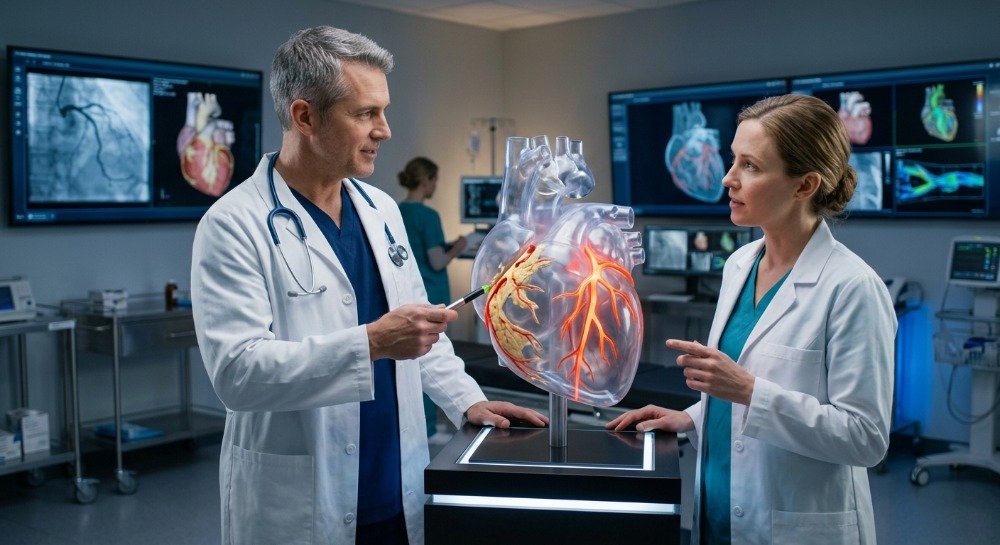
Hypertensive and atherosclerotic cardiovascular disease is a condition in which long-term high blood pressure damages the arteries and contributes to plaque buildup. As the arteries become narrower and stiffer, blood flow decreases. This raises the risk of heart attack, stroke, heart failure, and other serious cardiovascular problems.
Introduction
Your heart works every second to pump blood throughout your body. Healthy arteries allow blood to flow freely and deliver oxygen to every organ. However, this process can change over time if the arteries become damaged.
High blood pressure places extra force on the artery walls. At the same time, cholesterol and other fatty substances can slowly collect inside those damaged arteries. Together, these problems increase the risk of serious heart disease.
This condition is known as hypertensive and atherosclerotic cardiovascular disease. It develops gradually and often causes no symptoms during its early stages. Many people do not realize they have it until a serious complication occurs.
The good news is that early diagnosis, healthy lifestyle changes, and proper treatment can greatly reduce the risk. Understanding how this disease develops is the first step toward protecting your heart and blood vessels. Understanding hypertensive and atherosclerotic cardiovascular disease early can help you make better decisions about your heart health.
What Is Hypertensive and Atherosclerotic Cardiovascular Disease?
Hypertensive and atherosclerotic cardiovascular disease is a term used to describe heart and blood vessel damage caused by two closely related conditions: hypertension and atherosclerosis. Although these are different diseases, they often develop together and increase the risk of serious cardiovascular complications.
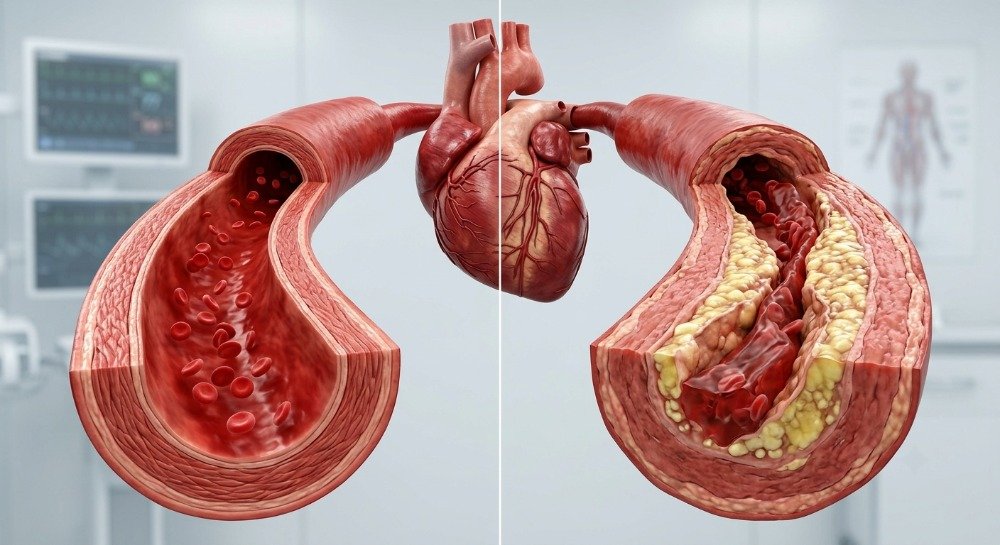
Long-term high blood pressure damages the inner lining of the arteries. Once the artery walls are injured, cholesterol, fat, calcium, and other substances can begin to collect inside them. Over time, these deposits form plaque.
As plaque grows, the arteries become narrower and less flexible. Blood cannot move through them as easily, and the heart has to work much harder to pump blood. This increases the risk of heart attack, stroke, heart failure, and other life-threatening conditions. Learning about hypertensive and atherosclerotic cardiovascular disease also helps you recognize the importance of early prevention and regular health screenings.
Understanding the Two Conditions
Before learning how this disease develops, it is important to understand its two main components.
What Is Hypertension?
Hypertension, also called high blood pressure, occurs when the force of blood pushing against the artery walls remains too high for a long period. This constant pressure slowly damages blood vessels throughout the body.
Most people with hypertension feel completely normal. That is why it is often called the “silent killer.” Without treatment, high blood pressure can increase the risk of heart disease, stroke, kidney disease, and vision problems.
What Is Atherosclerosis?
Atherosclerosis is a disease that affects the arteries. It develops when cholesterol, fat, calcium, and inflammatory cells build up inside the artery walls. These deposits gradually form plaque.
As plaque becomes larger, the arteries become narrower and stiffer. This reduces blood flow and limits the amount of oxygen reaching the heart and other organs. If a plaque suddenly breaks open, a blood clot may form and completely block the artery, leading to a heart attack or stroke.
How Are These Two Conditions Connected?
Many people think hypertension and atherosclerosis are completely separate diseases. In reality, they are closely connected and often make each other worse. High blood pressure damages the inner lining of the arteries. Once that protective lining is injured, cholesterol and other fatty substances can enter the damaged areas more easily. Over time, plaque begins to develop.
As plaque builds up, the arteries become narrower and less flexible. This increases resistance to blood flow, causing blood pressure to rise even further. The higher blood pressure creates more damage, allowing even more plaque to form. This harmful cycle can continue for years without causing noticeable symptoms. Breaking this cycle early is one of the most effective ways to prevent serious cardiovascular disease. This is why doctors often treat hypertensive and atherosclerotic cardiovascular disease by managing both blood pressure and artery health together.
Related Article: Heart Healthy Diet for High Blood Pressure
How Does the Disease Develop?
Hypertensive and atherosclerotic cardiovascular disease usually develops slowly over many years. The process often begins long before symptoms appear.
Step 1
Blood pressure remains higher than normal for months or years.
↓
Step 2
The inner lining of the arteries becomes damaged.
↓
Step 3
Cholesterol and other fatty substances begin collecting inside the damaged areas.
↓
Step 4
Plaque gradually forms and grows.
↓
Step 5
The arteries become narrower and stiffer.
↓
Step 6
Blood flow decreases, and the heart has to work harder.
↓
Step 7
The risk of heart attack, stroke, heart failure, and other cardiovascular complications increases.
Why Is This Condition Serious?
Your heart depends on healthy arteries to deliver oxygen-rich blood throughout the body. When those arteries become damaged and narrowed, the heart and other organs may not receive enough oxygen to function properly.
Without proper treatment, hypertensive and atherosclerotic cardiovascular disease can lead to several serious complications, including:
- Heart attack
- Stroke
- Heart failure
- Peripheral artery disease
- Chronic kidney disease
- Sudden cardiac death
The longer high blood pressure remains uncontrolled, the greater the risk of developing these life-threatening conditions.
Hypertensive and Atherosclerotic Cardiovascular Disease vs. Hypertensive Heart Disease
These medical terms are often confused, but they do not mean exactly the same thing.
| Hypertensive Heart Disease | Hypertensive and Atherosclerotic Cardiovascular Disease |
| Mainly affects the heart muscle. | Affects both the heart and blood vessels. |
| Caused mainly by long-term high blood pressure. | Caused by high blood pressure together with plaque buildup inside the arteries. |
| May lead to heart enlargement or heart failure. | May lead to heart attack, stroke, heart failure, and poor circulation. |
Understanding this difference helps explain why controlling both blood pressure and cholesterol is essential for protecting your cardiovascular health.
Who Is Most at Risk?
Anyone can develop this condition, but some people are more likely to be affected. Your risk increases if you have:
- High blood pressure
- High cholesterol
- Diabetes
- Obesity
- A family history of heart disease
- A smoking habit
- An inactive lifestyle
- An unhealthy diet
- Chronic stress
- Excessive alcohol intake
- Older age
Having several of these risk factors at the same time greatly increases the chance of developing hypertensive and atherosclerotic cardiovascular disease.
Why Early Detection Matters
This disease often develops quietly over many years. Most people do not notice any warning signs until serious damage has already occurred.
Regular health checkups can identify high blood pressure, abnormal cholesterol levels, and other risk factors before complications develop. Early treatment can slow disease progression and significantly reduce the risk of heart attack, stroke, and heart failure.
What Causes Hypertensive and Atherosclerotic Cardiovascular Disease?
Hypertensive and atherosclerotic cardiovascular disease usually develops over many years. It rarely has a single cause. Instead, several health conditions and lifestyle factors work together to damage the arteries and increase the workload on the heart.
Long-term high blood pressure is the biggest risk factor. However, cholesterol, diabetes, smoking, obesity, and unhealthy lifestyle habits also play important roles. Understanding these causes can help you lower your risk before permanent damage occurs.
1. Long-Term High Blood Pressure
High blood pressure is the leading cause of hypertensive and atherosclerotic cardiovascular disease. Every heartbeat pushes blood through your arteries, but when the pressure stays too high for years, it slowly damages the inner lining of the blood vessels.
Once the artery walls become injured, cholesterol and other fatty substances can collect more easily. This starts the process of plaque formation, which gradually narrows the arteries and reduces blood flow. Keeping blood pressure under control is one of the most effective ways to protect your heart and blood vessels.
2. High Cholesterol
High levels of LDL cholesterol increase the risk of plaque buildup inside the arteries. LDL is often called “bad cholesterol” because it contributes to fatty deposits that narrow blood vessels.
As plaque grows, the arteries become less flexible. This makes it harder for blood to reach the heart, brain, and other organs. Over time, the risk of heart attack and stroke increases. Managing cholesterol through a healthy diet, regular exercise, and medication when needed can slow this process.
3. Diabetes
Diabetes affects blood vessels throughout the body. High blood sugar damages the artery walls and increases inflammation, making plaque develop faster.
People with diabetes often have other risk factors such as high blood pressure, obesity, or abnormal cholesterol levels. When these conditions occur together, the risk of cardiovascular disease becomes much higher. Keeping blood sugar within the recommended range helps reduce long-term complications.
4. Smoking
Smoking is one of the most harmful habits for your cardiovascular system. The chemicals in tobacco damage the artery lining, reduce oxygen in the blood, and increase inflammation.
Smoking also raises blood pressure and makes blood clots more likely to form. Even occasional smoking can increase your cardiovascular risk. Quitting smoking at any age improves circulation and helps lower the risk of future heart problems.
5. Obesity
Carrying excess body weight places extra stress on the heart. It also increases the risk of high blood pressure, diabetes, and unhealthy cholesterol levels.
Obesity does not directly cause plaque buildup, but it creates the conditions that allow cardiovascular disease to develop more quickly. Even losing a small amount of weight can improve blood pressure and overall heart health.
6. Physical Inactivity
Your heart becomes stronger when you stay active. Regular exercise helps control blood pressure, improves cholesterol levels, and supports a healthy weight.
On the other hand, sitting for long periods can increase the risk of cardiovascular disease. Physical inactivity also makes it harder to manage diabetes and obesity. Simple activities such as walking, cycling, or swimming can make a meaningful difference.
7. Unhealthy Diet
The foods you eat have a direct effect on your heart and blood vessels. Diets high in sodium, saturated fat, trans fat, processed foods, and added sugars may increase blood pressure and cholesterol levels.
A heart-healthy eating plan that includes fruits, vegetables, whole grains, lean protein, beans, nuts, and healthy fats helps protect the arteries and supports better cardiovascular health. Small dietary changes made consistently often produce long-term benefits.
8. Family History
Some people inherit a higher risk of cardiovascular disease. If your parents or close relatives developed heart disease at an early age, your own risk may be higher.
While you cannot change your genetics, you can reduce many other risk factors through healthy lifestyle choices and regular medical care. Knowing your family history allows doctors to recommend earlier screening when needed.
Common Risk Factors
Several risk factors can increase the likelihood of developing hypertensive and atherosclerotic cardiovascular disease. These include:
- Long-term high blood pressure
- High LDL cholesterol
- Diabetes
- Smoking
- Obesity
- Physical inactivity
- Unhealthy eating habits
- Chronic stress
- Excess alcohol intake
- Older age
- Family history of cardiovascular disease
Having more than one risk factor significantly increases your overall cardiovascular risk. Reducing these risk factors can significantly lower your chance of developing hypertensive and atherosclerotic cardiovascular disease later in life.
1. Signs and Symptoms
Many people have no symptoms during the early stages of hypertensive and atherosclerotic cardiovascular disease. This is one reason why regular health checkups are so important. Symptoms often appear only after blood flow becomes restricted or the heart begins to work harder than normal. Early symptoms of hypertensive and atherosclerotic cardiovascular disease should never be ignored, especially if you already have high blood pressure.
2. Early Symptoms
The earliest symptoms are often mild and easy to overlook. Some people experience occasional fatigue, headaches, or shortness of breath during physical activity.
Others may notice reduced exercise tolerance or feel tired more quickly than before. These symptoms may seem minor, but they should not be ignored, especially if you have high blood pressure or other cardiovascular risk factors.
3. Symptoms as the Disease Progresses
As plaque continues to narrow the arteries, the heart and other organs receive less oxygen-rich blood. This can cause more noticeable symptoms that affect daily life. Common symptoms include:
- Chest pain or pressure (angina)
- Shortness of breath
- Fatigue
- Dizziness
- Pain in the legs while walking
- Cold hands or feet
- Weakness
Symptoms often become worse during physical activity because the body requires more oxygen.
4. Emergency Warning Signs
Some symptoms require immediate medical attention because they may indicate a heart attack or stroke. Seek emergency care immediately if you experience:
- Severe chest pain
- Pain spreading to the arm, neck, jaw, or back
- Sudden shortness of breath
- Difficulty speaking
- Sudden weakness on one side of the body
- Vision changes
- Loss of consciousness
Early treatment can save heart muscle, reduce brain damage, and improve survival.
5. Possible Complications
Without proper treatment, hypertensive and atherosclerotic cardiovascular disease can damage multiple organs throughout the body. The most serious complications include:
- Heart attack
- Stroke
- Heart failure
- Peripheral artery disease
- Chronic kidney disease
- Sudden cardiac death
These complications often develop gradually, which is why prevention and early treatment are so important.
How Doctors Diagnose Hypertensive and Atherosclerotic Cardiovascular Disease
Doctors use several tests to understand both your overall cardiovascular health and the amount of damage already present. No single test confirms the condition. Instead, healthcare providers combine your medical history, physical examination, blood tests, and heart imaging to make an accurate diagnosis.
1. Medical History and Physical Examination
Your healthcare provider will ask about your symptoms, blood pressure history, smoking habits, diabetes, cholesterol levels, medications, and family history of heart disease.
During the physical examination, they will measure your blood pressure, listen to your heart, check your pulse, and look for signs of poor circulation or heart failure. These first steps often provide valuable information before additional testing is performed.
2. Blood Pressure Measurement
Accurate blood pressure measurement is one of the most important parts of the evaluation. Because blood pressure changes throughout the day, your doctor may recommend repeated office readings or home blood pressure monitoring before confirming a diagnosis.
3. Blood Tests
Blood tests help identify conditions that increase cardiovascular risk. Your healthcare provider may check:
- Cholesterol levels
- Blood sugar (glucose or HbA1c)
- Kidney function
- Other laboratory tests when appropriate
These results help guide treatment decisions and estimate your future cardiovascular risk.
4. Heart and Artery Imaging
Additional tests may be recommended depending on your symptoms and medical history. These can include:
- Electrocardiogram (ECG)
- Echocardiogram
- Coronary CT angiography
- Carotid ultrasound
- Cardiac CT calcium scoring
- Exercise stress testing
These studies help doctors evaluate heart function, detect narrowed arteries, and identify signs of previous cardiovascular damage.
When Should You See a Doctor?
Do not wait until severe symptoms develop. Schedule a medical evaluation if you have consistently high blood pressure, high cholesterol, diabetes, chest discomfort, shortness of breath, or a strong family history of heart disease.
Early diagnosis gives you the best opportunity to slow disease progression and reduce the risk of life-threatening complications.

How Is Hypertensive and Atherosclerotic Cardiovascular Disease Treated?
Treatment for hypertensive and atherosclerotic cardiovascular disease focuses on reducing further damage to the heart and blood vessels. The main goals are to control blood pressure, lower cholesterol, improve blood flow, and prevent complications such as heart attack or stroke.
Your treatment plan depends on your age, overall health, symptoms, and the severity of the disease. Most people need a combination of healthy lifestyle changes and medication for the best results. Successful treatment of hypertensive and atherosclerotic cardiovascular disease usually requires long-term commitment to healthy habits and medical care.
1. Lifestyle Changes
Healthy daily habits are the foundation of treatment. Even small improvements can lower your cardiovascular risk and help medications work better.
Doctors often recommend lifestyle changes before adding more medications. These habits should continue even if you already take prescription medicines.
2. Follow a Heart-Healthy Diet
Food plays an important role in protecting your heart. A balanced diet helps lower blood pressure, reduce cholesterol, and maintain a healthy weight. Focus on eating:
- Fresh fruits
- Vegetables
- Whole grains
- Beans and legumes
- Fish
- Skinless poultry
- Nuts and seeds
- Low-fat dairy products
- Healthy fats like olive oil
Try to limit:
- Processed foods
- Fried foods
- Sugary drinks
- Processed meats
- Foods high in sodium
- Foods rich in saturated and trans fats
Many healthcare providers recommend the DASH or Mediterranean diet because both support long-term heart health.
3. Stay Physically Active
Regular exercise strengthens the heart and improves circulation. It also helps lower blood pressure, improve cholesterol levels, and reduce stress.
Most adults should aim for at least 150 minutes of moderate exercise each week, unless advised otherwise by their healthcare provider. Good choices include:
- Brisk walking
- Cycling
- Swimming
- Light jogging
- Dancing
Start slowly if you have not exercised for a long time.
4. Maintain a Healthy Weight
Carrying extra body weight forces the heart to work harder. Losing even a small amount of weight may improve blood pressure and reduce cardiovascular risk. Healthy weight loss happens gradually through balanced eating and regular physical activity.
5. Stop Smoking
Smoking damages the arteries and speeds up plaque buildup. It also raises blood pressure and increases the risk of blood clots.
Quitting smoking is one of the fastest ways to improve cardiovascular health. Many people notice better circulation within weeks of stopping.
6. Limit Alcohol
Drinking too much alcohol may increase blood pressure and interfere with some medications. If you drink alcohol, do so in moderation and follow your healthcare provider’s advice.
7. Manage Stress
Long-term stress may contribute to high blood pressure and unhealthy lifestyle habits. Healthy ways to reduce stress include:
- Deep breathing
- Meditation
- Regular exercise
- Spending time outdoors
- Talking with family or friends
- Getting enough sleep
Managing stress supports both heart health and overall well-being.
8. Medications
Lifestyle changes are essential, but many people also need medication. Your doctor may prescribe medicines to lower blood pressure, reduce cholesterol, or prevent blood clots. Never stop taking these medications without medical advice. Common medications include:
- Blood pressure medicines
- Statins to lower cholesterol
- Antiplatelet medicines such as aspirin (when appropriate)
- Diabetes medications if needed
Your treatment plan should always be personalized.
Can This Disease Be Reversed?
The damage caused by hypertensive and atherosclerotic cardiovascular disease cannot always be completely reversed. However, it can often be slowed or stabilized with early treatment.
Controlling blood pressure, improving cholesterol levels, staying active, and following a healthy diet may prevent plaque from getting worse. These steps also lower the risk of future heart attack and stroke. The earlier treatment begins, the better the long-term outcome.
Prevention Tips
Many cases of cardiovascular disease can be prevented through healthy daily habits. You can reduce your risk by:
- Checking your blood pressure regularly
- Managing cholesterol levels
- Eating a balanced diet
- Exercising most days of the week
- Maintaining a healthy weight
- Avoiding tobacco products
- Limiting alcohol intake
- Managing diabetes
- Sleeping 7 to 9 hours each night
- Following your healthcare provider’s treatment plan
Small lifestyle changes made consistently often have the greatest long-term benefits. Preventing hypertensive and atherosclerotic cardiovascular disease is often easier than treating its serious complications.
Daily Heart-Healthy Checklist
Use this simple checklist to support your cardiovascular health every day.
✔ Check your blood pressure if recommended.
✔ Eat more fruits and vegetables.
✔ Choose whole grains instead of refined grains.
✔ Stay physically active.
✔ Take your medications as prescribed.
✔ Avoid smoking.
✔ Drink enough water.
✔ Get enough sleep.
✔ Manage stress in healthy ways.
✔ Keep regular medical appointments.
These daily habits can help protect your heart for years to come.
When Should You Seek Emergency Care?
Some symptoms require immediate medical attention. Call emergency services right away if you experience:
- Severe chest pain
- Sudden shortness of breath
- Pain spreading to the jaw, neck, shoulder, or arm
- Sudden weakness or numbness
- Difficulty speaking
- Sudden vision loss
- Fainting or loss of consciousness
Quick treatment can save your life and reduce permanent heart or brain damage.
Related Article: What are healthy fast food options?
Frequently Asked Questions
Is hypertensive and atherosclerotic cardiovascular disease the same as heart disease?
It is a type of cardiovascular disease that develops when long-term high blood pressure and plaque buildup damage the heart and blood vessels.
Can high blood pressure cause have blocked arteries?
High blood pressure does not directly create plaque, but it damages artery walls. This damage makes plaque buildup more likely over time.
Is this disease curable?
There is no complete cure once significant artery damage has occurred. However, early treatment and healthy lifestyle changes can slow progression and reduce complications.
Can lifestyle changes really help?
Yes. Healthy eating, regular exercise, smoking cessation, weight management, and blood pressure control all help reduce cardiovascular risk.
What foods are good for heart health?
A heart-healthy diet includes fruits, vegetables, whole grains, fish, beans, nuts, olive oil, and low-fat dairy products while limiting processed foods and excess sodium.
Who is most at risk?
People with high blood pressure, diabetes, high cholesterol, obesity, smoking history, or a family history of cardiovascular disease have a higher risk.

Conclusion
Hypertensive and atherosclerotic cardiovascular disease develops slowly, but its effects can be serious if left untreated. Long-term high blood pressure damages the arteries, allowing plaque to build up and reduce blood flow throughout the body.
The good news is that this condition is often preventable. Regular health checkups, healthy eating, physical activity, smoking cessation, and proper treatment can significantly lower the risk of heart attack, stroke, and heart failure.
If you have high blood pressure or other cardiovascular risk factors, speak with your healthcare provider about the best plan to protect your heart. Taking action today can help you enjoy a healthier future. By understanding hypertensive and atherosclerotic cardiovascular disease and taking action early, you can protect your heart and enjoy a healthier future.