
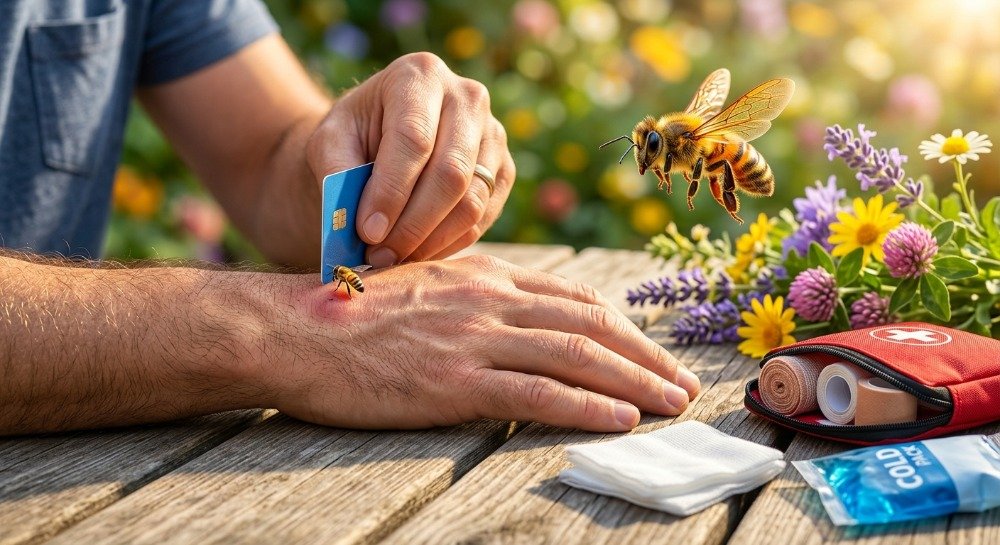
What Is the Best Bee Sting Treatment at Home?
The best bee sting treatment at home starts with removing the stinger as quickly as possible. Wash the area with soap and water, apply a cold compress for 10–15 minutes, and keep the affected area clean. Mild pain, swelling, and itching usually improve within a few days. Seek emergency medical care immediately if you develop difficulty breathing, severe swelling, dizziness, or signs of a serious allergic reaction.
Introduction
A bee sting can happen almost anywhere. You may get stung while gardening, hiking, having a picnic, or simply walking outside. Most bee stings are mild. They cause temporary pain, redness, swelling, and itching. These symptoms usually improve with simple home care.
However, some bee stings can become dangerous. A severe allergic reaction, known as anaphylaxis, requires emergency medical treatment and should never be ignored. Knowing the right bee sting treatment at home can help reduce pain, limit swelling, and prevent unnecessary complications. It can also help you recognize when home treatment is enough and when you should seek medical care.
In this guide, you’ll learn the safest first-aid steps, home remedies that actually work, treatments to avoid, and warning signs that need immediate attention. Knowing the right bee sting treatment at home can help you stay calm and treat the sting safely.
What Happens When a Bee Stings You?
Most people only need simple bee sting treatment at home to recover without complications. A bee sting is more than just a painful pinch. When a honeybee stings, it injects venom into the skin through its stinger. This venom contains proteins that trigger your body’s immune response. As your immune system reacts, you may notice:
- Sharp pain
- Redness
- Swelling
- Warmth around the sting
- Itching
These reactions are normal for most people and usually improve within a few hours or days. If the body reacts too strongly, the symptoms can spread beyond the sting site. This may indicate a severe allergic reaction that requires immediate medical care.
Why Does a Bee Sting Hurt?
Bee venom contains natural chemicals that irritate the skin and surrounding tissues. These chemicals cause inflammation, which leads to pain, swelling, and redness. Your immune system also releases histamine, making the area itchy and tender. The amount of discomfort varies from person to person. Some people experience only mild irritation, while others develop larger local reactions.
Bee Sting vs. Wasp Sting
Many people confuse bee stings with wasp stings, but they are not the same.
| Bee Sting | Wasp Sting |
| Usually leaves the stinger in the skin | Usually does not leave the stinger |
| Honeybees sting only once | Wasps can sting several times |
| Venom sac may continue releasing venom for a short time | No attached venom sac remains |
| Removing the stinger quickly is important | No stinger usually needs to be removed |
Learning the right bee sting treatment at home gives you the confidence to respond safely before symptoms become worse. Knowing which insect caused the sting helps you choose the correct first-aid steps.
Common Symptoms of a Bee Sting
Recognizing these symptoms early helps you choose the correct bee sting treatment at home. Most bee stings cause only a local reaction around the affected area. Common symptoms include:
- Sudden sharp pain
- Burning sensation
- Redness
- Mild swelling
- Itching
- Tenderness
- Small white spot where the stinger entered
These symptoms usually begin within minutes and gradually improve over the next few days.
Normal vs. Large Local Reaction
Some people experience more swelling than others. A normal reaction usually affects only the area around the sting. A large local reaction may cause swelling that spreads several inches from the sting site. Although it looks alarming, it is not usually dangerous and often improves within a few days. Large local reactions are different from severe allergic reactions.
Signs of a Severe Allergic Reaction (Anaphylaxis)
A small number of people develop a life-threatening allergic reaction after a bee sting. This medical emergency is called anaphylaxis. Call emergency services immediately if you notice:
- Difficulty breathing
- Wheezing
- Swelling of the face, lips, tongue, or throat
- Trouble swallowing
- Dizziness
- Fainting
- Rapid heartbeat
- Severe hives across the body
- Confusion
These symptoms can appear within minutes and should never be treated at home.
When Is Bee Sting Treatment at Home Enough?
Mild reactions usually respond well to bee sting treatment at home with proper first aid. Home treatment is usually appropriate when:
- The pain is mild.
- Swelling stays around the sting.
- There are no breathing problems.
- There is no swelling of the face or throat.
- You feel well overall.
Most healthy adults and children recover completely with proper bee sting treatment at home and simple first-aid measures. If your symptoms become worse instead of better, contact your healthcare provider.
Reading Guide: What Are the Best Practices for a Healthy Lifestyle?
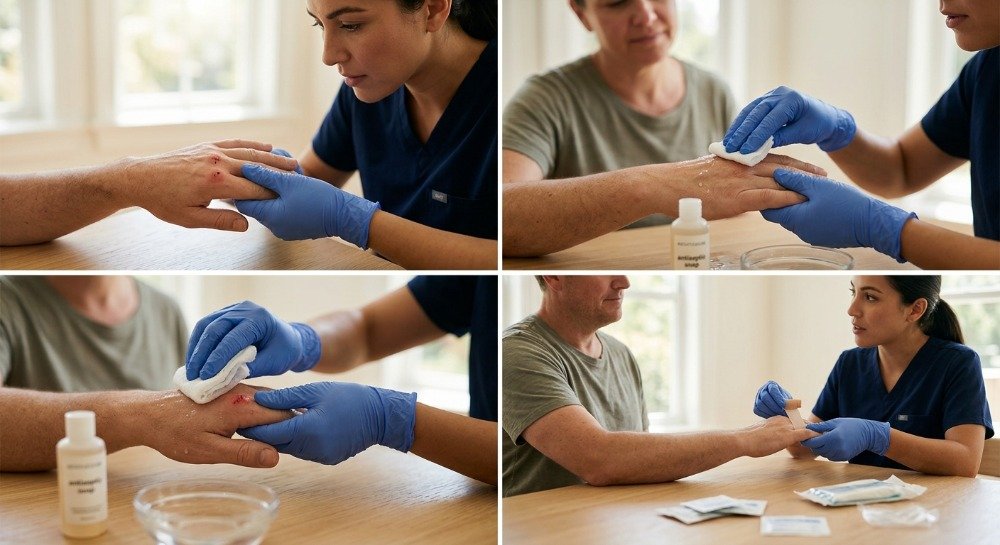
Step-by-Step Bee Sting Treatment at Home
Quick action can make a big difference after a bee sting. The right first aid helps reduce pain, swelling, and the risk of infection. Follow these simple steps for safe bee sting treatment at home.
Step 1: Move Away from the Bee
The first thing you should do is leave the area. Bees release chemicals that attract other bees after a sting. Staying nearby may increase your risk of being stung again. Move to a safe place before treating the sting.
Step 2: Remove the Stinger Immediately
Removing the stinger quickly is one of the most important parts of bee sting treatment at home. A honeybee leaves its stinger behind, along with a small venom sac. When it stays longer in your skin, the more venom may enter your body. Use one of these methods:
- Scrape it away with a credit card.
- Use your fingernail.
- Use clean tweezers if needed.
Remove it as soon as possible. Do not worry too much about the exact removal method. Speed is more important than perfection.
Step 3: Wash the Area
After removing the stinger, gently clean the skin. Wash the area with:
- Mild soap
- Clean water
Cleaning the sting lowers the risk of infection and removes dirt from the skin. Pat the area dry with a clean towel.
Step 4: Apply a Cold Compress
A cold compress remains one of the most effective steps in bee sting treatment at home. Cold therapy helps reduce pain and swelling. Wrap ice in a clean cloth or use a cold pack. Apply it for:
10–15 minutes at a time Repeat several times during the first day if needed. Never place ice directly on bare skin because it may cause skin damage.
Step 5: Reduce Swelling
Swelling is a normal reaction after most bee stings. To help reduce it:
- Keep the affected area elevated when possible.
- Continue using cold compresses.
- Avoid unnecessary movement if the sting is on your hand or foot.
Most swelling improves within one to three days.
Step 6: Relieve Pain
Some discomfort is expected after a bee sting. If needed, your healthcare provider may recommend an over-the-counter pain reliever that is appropriate for your age and medical history. Always follow the instructions on the medicine label and consult a healthcare professional if you are unsure which option is right for you.
Step 7: Control Itching
Itching often becomes worse after the first few hours. You may find relief by using:
- Calamine lotion
- Hydrocortisone cream
- An oral antihistamine, if recommended by your healthcare provider
Try not to scratch the area. Scratching can irritate the skin and increase the chance of infection.
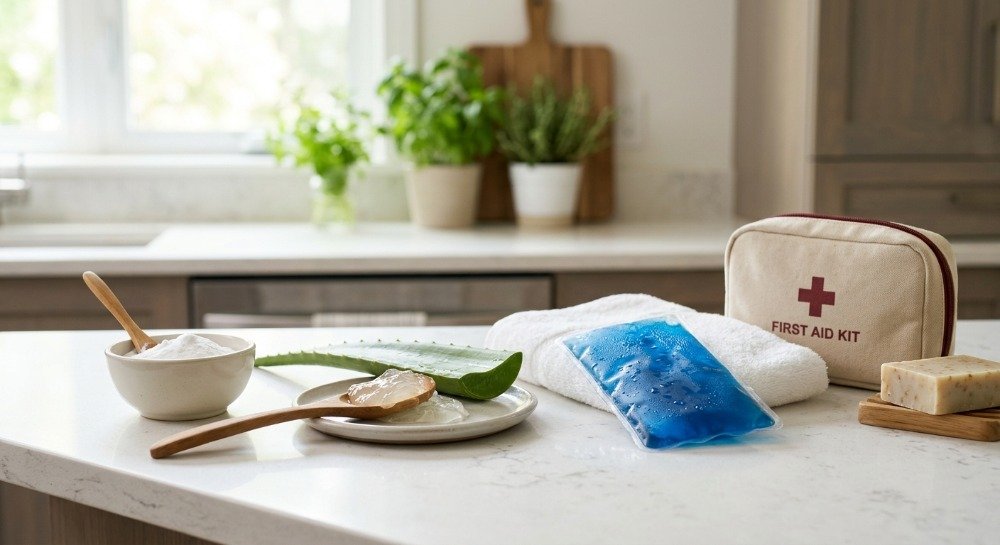
Home Remedies That May Help
Safe bee sting treatment at home focuses on reducing pain, swelling, and itching without using harmful remedies. Several simple home remedies may provide comfort after a bee sting. These remedies do not remove venom, but they may help relieve mild symptoms.
1. Aloe Vera Gel
Pure aloe vera may soothe irritated skin and provide a cooling effect. Apply a thin layer to clean skin a few times a day if needed.
2. Baking Soda Paste
Some people use baking soda mixed with a small amount of water to make a paste. Although scientific evidence is limited, it may temporarily soothe itching for some individuals. Apply it for a short time, then rinse the skin gently.
3. Honey
Honey has natural antibacterial properties. Some people apply a small amount to the sting to soothe irritated skin. Do not use honey on open wounds, and never give honey to infants under one year of age.
Home Remedies to Avoid
Understanding bee sting treatment at home also helps you know when professional medical care is needed. Many internet remedies are not supported by medical evidence. Avoid using:
- Toothpaste
- Mud
- Gasoline
- Bleach
- Vinegar without knowing the type of insect
- Essential oils directly on broken skin
- Butter
- Raw meat
These remedies may irritate the skin or increase the risk of infection rather than help.
Bee Sting Treatment at Home for Children
Children usually recover well from a simple bee sting. Treatment is similar to adults.
- Remove the stinger quickly.
- Wash the area with soap and water.
- Apply a cold compress.
- Watch for unusual swelling or allergic symptoms.
Children may scratch the sting because it itches. Keep their fingernails short and encourage them not to scratch. Contact a healthcare provider if swelling becomes severe or symptoms continue to worsen.
Bee Sting Treatment During Pregnancy
Most pregnant women recover well with simple bee sting treatment at home and careful monitoring. Most mild bee stings can be treated safely at home during pregnancy. Follow basic first-aid steps:
- Remove the stinger.
- Wash the skin.
- Apply a cold compress.
Before taking any medication, including pain relievers or antihistamines, speak with your healthcare provider. Seek immediate emergency care if you develop signs of a severe allergic reaction.
Related Guide: Healthy Fast Food Options
How Long Does a Bee Sting Last?
Following the correct bee sting treatment at home may help symptoms improve more quickly. Recovery time depends on your body’s reaction.
First Few Minutes
- Sharp pain
- Burning sensation
First 24 Hours
- Redness
- Mild swelling
- Tenderness
Two to Three Days
- Swelling gradually decreases.
- Itching may continue.
Up to One Week
Most mild bee stings heal completely within a week. Large local reactions may take longer.
When Should You Contact a Doctor?
Home care is usually enough for mild stings. However, contact your healthcare provider if:
- Swelling continues to increase after several days.
- Redness spreads significantly.
- Pus develops.
- Fever appears.
- The sting becomes very painful after the first day.
- Symptoms do not improve within a week.
These signs may suggest an infection or another complication that needs medical evaluation.
Possible Complications of a Bee Sting
Most bee stings heal without causing serious problems. However, complications can happen in some people. Knowing the warning signs helps you seek medical care before the condition becomes more serious.
1. Severe Allergic Reaction (Anaphylaxis)
The most serious complication is anaphylaxis. This is a life-threatening allergic reaction that can develop within minutes after a bee sting. Symptoms include:
- Difficulty breathing
- Wheezing
- Swelling of the lips, tongue, or throat
- Chest tightness
- Rapid heartbeat
- Dizziness
- Fainting
- Severe hives across the body
Do not attempt to treat anaphylaxis at home. Call emergency services immediately. People who have experienced anaphylaxis before should use their prescribed epinephrine auto-injector if available and seek emergency medical care right away.
2. Large Local Reaction
Some people develop swelling that spreads far beyond the sting site. For example, a sting on the hand may cause swelling that extends to the wrist or forearm.
Although this can look severe, it is usually not an allergic emergency. The swelling often improves within several days with proper bee sting treatment at home and medical advice if needed.
3. Skin Infection
Scratching the sting repeatedly can damage the skin. Bacteria may then enter the area and cause an infection. Watch for:
- Increasing redness
- Warm skin
- Pus
- Fever
- Worsening pain after the first day
These symptoms should be evaluated by a healthcare provider.
4. Multiple Bee Stings
One bee sting is usually harmless for healthy adults. However, multiple stings can inject a large amount of venom into the body. This may cause:
- Severe swelling
- Nausea
- Vomiting
- Headache
- Weakness
- Difficulty breathing
Children, older adults, and people with underlying medical conditions are at higher risk. Seek immediate medical care after multiple bee stings.
How Do Doctors Diagnose a Bee Sting Reaction?
Most bee stings do not require medical tests. Healthcare providers usually diagnose the condition by:
- Asking what happened
- Examining the sting site
- Checking your symptoms
- Looking for signs of an allergic reaction
If you experience a severe allergic reaction, your doctor may recommend allergy testing after you recover. This helps determine whether future treatment or allergy shots may be beneficial.
Medical Treatment
Even if medical care is needed, early bee sting treatment at home can reduce discomfort before you reach a healthcare provider. Most mild bee stings improve with home care. However, medical treatment may be needed if symptoms become more severe. Your healthcare provider may recommend:
- Prescription antihistamines
- Stronger anti-inflammatory medications
- Prescription corticosteroids for severe swelling
- Antibiotics if an infection develops
For anaphylaxis, emergency treatment may include:
- Epinephrine
- Oxygen
- Intravenous fluids
- Additional emergency medications
Prompt treatment can save lives.
How to Prevent Future Bee Stings?
Simple prevention tips and proper bee sting treatment at home can help you avoid unnecessary pain and complications. You cannot prevent every bee sting, but simple precautions can reduce your risk.
Wear Protective Clothing
When gardening or hiking, wear:
- Long sleeves
- Long pants
- Closed-toe shoes
Avoid walking barefoot on grass where bees may be collecting nectar.
Avoid Strong Fragrances
Perfumes, scented lotions, and strongly scented hair products may attract bees. Choose fragrance-free products when spending time outdoors.
Be Careful Around Flowers
Bees are naturally attracted to flowering plants. Stay calm if a bee flies near you. Avoid sudden movements or swatting.
Keep Food Covered Outdoors
Sweet drinks and food attract bees. Cover beverages and food during outdoor meals. Always check drink cans before taking a sip.
Secure Trash Bins
Open garbage cans often attract bees and other insects. Keep lids tightly closed whenever possible.
Quick Bee Sting Treatment Checklist
Keeping these bee sting treatment at home steps in mind helps you act quickly during an emergency. Use this simple checklist if you or someone else gets stung.
✔ Move to a safe place.
✔ Remove the stinger quickly.
✔ Wash the area with soap and water.
✔ Apply a cold compress for 10–15 minutes.
✔ Reduce swelling by elevating the affected area if possible.
✔ Use appropriate over-the-counter products if recommended by your healthcare provider.
✔ Watch for signs of a severe allergic reaction.
✔ Seek emergency care if breathing becomes difficult or swelling spreads to the face or throat.
Understanding bee sting treatment at home also helps you know when professional medical care is needed.
FAQs
Should I remove the bee stinger immediately?
Yes. Removing the stinger as quickly as possible helps reduce the amount of venom released into the skin.
Can I treat a bee sting at home?
Yes. Most mild bee stings improve with proper bee sting treatment at home, including removing the stinger, cleaning the area, and applying a cold compress.
Is swelling after a bee sting normal?
Yes. Mild swelling is a normal immune response and usually improves within a few days.
Should I pop a bee sting blister?
No. Leave the blister intact because it helps protect the skin while it heals.
Can I put toothpaste on a bee sting?
No. There is no strong medical evidence that toothpaste helps bee stings. It may even irritate the skin.
How long does pain last after a bee sting?
Sharp pain usually improves within a few hours. Mild tenderness and itching may continue for several days.
When should I go to the emergency room?
Go immediately if you experience:
- Difficulty breathing
- Swelling of the throat or tongue
- Fainting
- Severe dizziness
- Widespread hives
- Chest tightness
These symptoms may indicate anaphylaxis. Learning bee sting treatment at home prepares you to respond quickly and confidently during a minor emergency.

Conclusion
A bee sting can be painful, but most cases improve with simple bee sting treatment at home. Acting quickly by removing the stinger, cleaning the area, and applying a cold compress can help reduce pain and swelling.
Just as important is knowing when home care is not enough. Difficulty breathing, severe swelling, or signs of an allergic reaction require immediate emergency medical attention. The right bee sting treatment at home can ease pain, reduce swelling, and support a smooth recovery for most mild bee stings.
By following the correct first-aid steps and avoiding common treatment mistakes, you can recover safely and lower the risk of complications. If you are unsure about your symptoms or they continue to worsen, contact your healthcare provider for further advice. Every family should know the basics of bee sting treatment at home because quick first aid can make a big difference.