

What are the best practices for healthy lifestyle?
The best practices for healthy lifestyle include eating a balanced diet, staying physically active, getting enough sleep, drinking plenty of water, managing stress, avoiding tobacco, limiting alcohol, and scheduling regular health checkups. Small daily habits can improve your physical health, mental well-being, and reduce the risk of many chronic diseases over time.
Living a Healthy Lifestyle Starts with Small Daily Choices
Many people believe living a healthy lifestyle means following a strict diet or spending hours in the gym. That is not true. Good health is built through small choices you make every day. Eating nutritious meals, moving your body, sleeping well, and managing stress all work together to improve your overall well-being.
The best practices for healthy lifestyle are not about being perfect. They are about making consistent improvements that you can maintain for years, not just a few weeks. Even simple habits can have a powerful effect on your energy, mood, heart health, and quality of life. The best practices for healthy lifestyle are simple to follow when you start with one healthy habit at a time.
What Is a Healthy Lifestyle?
A healthy lifestyle is a way of living that supports your physical, mental, and emotional health. It includes daily habits that help your body function properly while reducing the risk of illness. Healthy living is not based on one habit alone.
It is a combination of healthy eating, regular movement, quality sleep, stress management, and preventive healthcare. When these habits work together, they create a strong foundation for long-term health. Understanding the best practices for healthy lifestyle makes it easier to build healthy habits that last.
Why Healthy Lifestyle Habits Matter
The choices you make today affect your future health. Healthy habits can lower your risk of many chronic conditions, including:
- Heart disease
- High blood pressure
- Type 2 diabetes
- Obesity
- Stroke
- Some types of cancer
They can also improve your daily life. People who follow healthy lifestyle habits often experience:
- More energy
- Better concentration
- Improved sleep
- Stronger immune function
- Better mood
- Higher quality of life
Healthy living is one of the most effective ways to protect your health naturally.
Benefits of Following the Best Practices for Healthy Lifestyle
Living a healthier life offers benefits that go far beyond disease prevention. Some of the biggest advantages include:
1. Better Heart Health
Healthy eating and regular physical activity support healthy blood pressure and cholesterol levels while reducing strain on your heart.
2. Higher Energy Levels
Nutritious foods, proper hydration, and quality sleep help your body produce energy more efficiently. Many people notice they feel less tired after improving their daily habits.
3. Better Mental Well-Being
Healthy lifestyle habits also support emotional health. Regular exercise, balanced nutrition, and good sleep can improve mood and help manage everyday stress.
4. Stronger Immune System
Your immune system depends on proper nutrition, sleep, physical activity, and stress management. Healthy habits help your body fight illness more effectively.
5. Healthier Weight Management
A balanced lifestyle makes it easier to maintain a healthy weight without following extreme diets. Small, consistent habits usually work better than quick fixes.
6. Better Quality of Life
One of the greatest benefits is feeling healthier every day. Simple improvements can help you stay active, independent, and confident as you age. These best practices for healthy lifestyle improve your health today while protecting your future well-being.
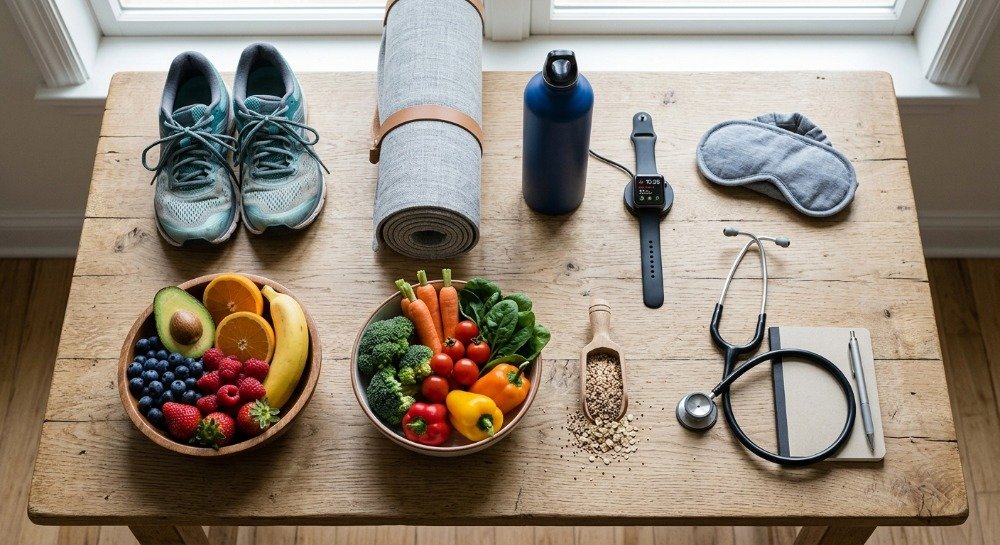
The Eight Pillars of a Healthy Lifestyle
Instead of focusing on only one habit, think of your health as being supported by several connected pillars. The best practices for healthy lifestyle include:
- Healthy nutrition
- Regular physical activity
- Quality sleep
- Proper hydration
- Stress management
- Mental well-being
- Avoiding harmful habits
- Preventive healthcare
If one area is ignored, the others often become more difficult to maintain. For example, poor sleep may reduce your motivation to exercise or prepare healthy meals the next day. That is why a balanced approach works better than trying to perfect just one habit.
Healthy Living Is About Progress, Not Perfection
One mistake many people make is trying to change everything at once. They start a strict diet, join a gym, stop eating favorite foods, and create unrealistic expectations. Most of these plans fail because they are difficult to maintain. Healthy living works differently. It is built one habit at a time. For example, you might:
- Replace sugary drinks with water.
- Walk for 20 minutes after dinner.
- Add vegetables to one extra meal each day.
- Go to bed 30 minutes earlier.
- Spend less time on your phone before sleep.
These small improvements may seem simple, but they become powerful when practiced consistently.
Is It Ever Too Late to Start?
Absolutely not. Healthy habits benefit people of every age. Whether you are in your twenties, forties, or seventies, your body responds positively to healthier choices.
Many studies show that improving nutrition, increasing physical activity, and quitting smoking can lower health risks even later in life. Starting today is always better than waiting for the “perfect time.”
Building Healthy Habits That Last
The goal is not to become perfect overnight. Instead, build habits that fit naturally into your daily routine. Choose changes you can realistically maintain. When healthy choices become part of your everyday life, they require less effort and feel more natural. That is why the best practices for healthy lifestyle focus on consistency rather than short-term motivation.
Healthy Eating: The Foundation of a Healthy Lifestyle
A healthy lifestyle begins with the food you eat every day. Your body depends on nutrients from food to produce energy, repair tissues, support your immune system, and keep your organs working properly. Healthy eating remains one of the most important best practices for healthy lifestyle for people of every age.
Following the best practices for healthy lifestyle does not mean avoiding every favorite food. It means building balanced meals most of the time and making healthier choices consistently. A balanced diet should include:
- Fresh vegetables
- Fruits
- Whole grains
- Lean proteins
- Healthy fats
- Low-fat dairy or fortified alternatives
Try to fill half of your plate with vegetables during lunch and dinner. This simple habit increases your fiber intake and helps you feel full longer. Small improvements often lead to lasting results. Swapping white bread for whole-grain bread or replacing sugary drinks with water are simple changes that support long-term health.
Choose Nutrient Dense Foods More Often
Every calorie is not equal. Some foods provide vitamins, minerals, and fiber, while others offer very little nutrition. Choose foods that nourish your body, such as:
- Leafy green vegetables
- Berries
- Apples
- Oats
- Brown rice
- Beans
- Lentils
- Fish
- Chicken
- Eggs
- Unsalted nuts
- Olive oil
These foods support heart health, digestion, and steady energy throughout the day. Highly processed foods, on the other hand, often contain excess sugar, sodium, and unhealthy fats. They can easily become part of your diet occasionally, but they should not become daily staples.
Stay Physically Active Every Day
Exercise is one of the most important best practices for healthy lifestyle. You do not need expensive gym memberships or difficult workout programs. Your body simply needs regular movement. Adults should aim for at least 150 minutes of moderate physical activity each week. That works out to about 30 minutes a day, five days a week. Good activities include:
- Brisk walking
- Cycling
- Swimming
- Dancing
- Hiking
- Gardening
- Home workouts
The best exercise is the one you enjoy enough to keep doing. Regular movement is one of the easiest best practices for healthy lifestyle you can start today.
Reduce Sitting Time
Many people spend most of the day sitting. Long periods of sitting may increase the risk of several health problems, even if you exercise regularly. Simple ways to move more include:
- Stand up every hour.
- Walk while talking on the phone.
- Take the stairs.
- Park farther away.
- Stretch during work breaks.
Small movements throughout the day add up over time.
Make Sleep a Priority
Sleep is often ignored, yet it is one of the strongest pillars of good health. While you sleep, your body repairs muscles, supports brain function, balances hormones, and strengthens your immune system. Most adults need 7 to 9 hours of quality sleep each night. Poor sleep may affect:
- Memory
- Concentration
- Mood
- Blood pressure
- Weight
- Blood sugar
- Heart health
Improving sleep often improves many other areas of your health as well. Good sleep supports many other best practices for healthy lifestyle, including better energy and improved focus.
Healthy Sleep Habits
Better sleep starts with a consistent routine. Try these habits:
- Go to bed at the same time every night.
- Wake up at a consistent time.
- Keep your bedroom cool and dark.
- Avoid large meals before bedtime.
- Limit caffeine late in the day.
- Turn off electronic devices at least one hour before sleep.
Good sleep is not a luxury. It is an essential part of healthy living.
Drink Enough Water
Water supports nearly every function in your body. It helps regulate body temperature, transport nutrients, lubricate joints, and support healthy digestion. Many people mistake thirst for hunger. Staying hydrated may also improve concentration and energy. Although hydration needs vary from person to person, drinking water regularly throughout the day is usually the best approach. You can increase your water intake by:
- Carrying a reusable water bottle.
- Drinking water with every meal.
- Choosing water instead of sugary drinks.
- Eating fruits and vegetables with high water content.
Manage Stress Before It Manages You
Stress is part of life. However, long-term stress can affect both physical and mental health. Chronic stress may contribute to:
- High blood pressure
- Poor sleep
- Digestive problems
- Anxiety
- Depression
- Weakened immunity
Learning healthy ways to manage stress is one of the best practices for healthy lifestyle. Learning healthy ways to manage stress is one of the most valuable best practices for healthy lifestyle.
Healthy Ways to Reduce Stress
You do not need complicated techniques. Simple daily habits often work well. Examples include:
- Deep breathing
- Walking outdoors
- Meditation
- Reading
- Listening to music
- Spending time with family
- Prayer or mindfulness
- Journaling
Even 10 to 15 minutes of relaxation each day can make a noticeable difference.
Take Care of Your Mental Health
Mental health deserves the same attention as physical health. Healthy living includes caring for your thoughts, emotions, and relationships. Good mental health may help you:
- Make healthier choices.
- Handle stress better.
- Improve productivity.
- Build stronger relationships.
- Enjoy daily life more.
Protect your mental well-being by:
- Staying socially connected.
- Asking for help when needed.
- Practicing gratitude.
- Taking regular breaks.
- Setting realistic expectations.
Seeking professional support is a sign of strength, not weakness.
Maintain a Healthy Weight Naturally
Healthy weight management is not about following restrictive diets. It is about creating habits you can maintain for years. Focus on:
- Eating balanced meals.
- Staying active.
- Drinking enough water.
- Sleeping well.
- Managing stress.
Crash diets often provide temporary results. Long-term habits provide lasting success.
Avoid Tobacco and Limit Alcohol
Smoking harms nearly every organ in the body. Quitting smoking is one of the best decisions you can make for your health. If you drink alcohol, do so in moderation. Excessive alcohol intake increases the risk of:
- Liver disease
- High blood pressure
- Certain cancers
- Heart disease
Avoiding tobacco and limiting alcohol are key healthy lifestyle habits that support long-term wellness.
Stay Up to Date with Preventive Healthcare
Healthy living is not only about diet and exercise. Regular health checkups help detect many conditions before symptoms appear. Schedule recommended:
- Blood pressure checks
- Cholesterol testing
- Blood sugar screening
- Dental exams
- Eye exams
- Cancer screenings
- Vaccinations
Preventive care helps you stay healthier for longer.
Small Habits Create Big Results
Many people wait for the perfect time to improve their health. That day rarely comes. Instead, begin with one small habit today. Examples include:
- Walking after dinner.
- Drinking one extra glass of water.
- Eating one additional serving of vegetables.
- Sleeping 30 minutes earlier.
- Taking a short break from screens.
These small actions may seem simple, but they build a healthier lifestyle over time.

A Simple Daily Healthy Lifestyle Routine
Knowing healthy habits is helpful, but putting them into practice is what makes the difference. You do not need to completely change your life overnight. Start with a simple routine that fits your schedule. Here is an example of a healthy day.
| Time | Healthy Habit |
| Morning | Drink a glass of water, stretch for 5–10 minutes, eat a balanced breakfast |
| Mid-Morning | Take a short walk or stand up and move if working at a desk |
| Lunch | Eat a balanced meal with vegetables, lean protein, and whole grains |
| Afternoon | Stay hydrated and choose a healthy snack if needed |
| Evening | Exercise, walk, or do another enjoyable physical activity |
| Dinner | Eat a light, balanced meal and avoid overeating |
| Before Bed | Reduce screen time, relax, and maintain a regular bedtime |
This routine follows many of the best practices for healthy lifestyle without feeling overwhelming. Following these best practices for healthy lifestyle every day becomes easier when you focus on steady progress instead of perfection.

Your Healthy Lifestyle Checklist
Small daily habits often produce the biggest long-term results. Use this checklist to monitor your progress.
1. Nutrition
☐ Eat vegetables every day
☐ Include fruit in your meals
☐ Choose whole grains
☐ Eat lean protein
☐ Limit processed foods
2. Physical Activity
☐ Move your body every day
☐ Sit less
☐ Stretch regularly
3. Hydration
☐ Drink enough water
☐ Limit sugary drinks
4. Sleep
☐ Sleep 7–9 hours
☐ Follow a consistent bedtime
5. Mental Well-Being
☐ Manage stress
☐ Spend time with family or friends
☐ Practice gratitude
6. Preventive Health
☐ Schedule routine checkups
☐ Monitor blood pressure
☐ Keep vaccinations up to date
You do not need to complete every item perfectly every day. Consistency matters more than perfection.
Related Guide: What Is a Heart Healthy Diet for High Blood Pressure?
Healthy Lifestyle Tips for Different Age Groups
Healthy habits remain important throughout life, but priorities often change with age.
1. In Your 20s
Focus on building habits that will benefit you for decades. Prioritize:
- Regular exercise
- Healthy eating
- Good sleep
- Stress management
2. In Your 30s
Many people become busier with careers and family. Maintain:
- Meal planning
- Physical activity
- Routine health screenings
- Healthy work-life balance
3. In Your 40s and Beyond
As you get older, preventive healthcare becomes even more important. Focus on:
- Heart health
- Bone health
- Maintaining muscle strength
- Blood pressure monitoring
- Diabetes screening
- Regular medical checkups
Healthy habits continue to provide benefits at every age.
Common Healthy Lifestyle Mistakes
Many people unknowingly slow their progress by making avoidable mistakes. Avoiding these mistakes helps you stay consistent with the best practices for healthy lifestyle
1. Trying to Change Everything at Once
Making too many changes can become stressful. Start with one or two habits and build gradually.
2. Skipping Meals
Skipping meals may leave you feeling tired and lead to overeating later. Aim for balanced meals throughout the day.
3. Following Extreme Diets
Very restrictive diets are difficult to maintain. Choose balanced eating habits instead.
4. Ignoring Sleep
Many people focus on food and exercise but forget that sleep is essential for overall health.
5. Expecting Immediate Results
Healthy living is a long-term investment. Small improvements become meaningful over weeks, months, and years.
Healthy Lifestyle Myths
Myth
Healthy living means giving up all your favorite foods.
Fact
A healthy lifestyle allows room for occasional treats while focusing on balanced choices most of the time.
Myth
You must spend hours in the gym every day.
Fact
Walking, cycling, swimming, gardening, and other daily activities all contribute to better health.
Myth
Healthy eating is too expensive.
Fact
Simple foods like beans, oats, eggs, frozen vegetables, and seasonal fruit can support a healthy lifestyle without a large grocery bill.
Myth
It’s too late to become healthier.
Fact
Healthy habits provide benefits at any age. Many health improvements begin within weeks of making positive lifestyle changes.
When Should You See a Doctor?
Healthy habits are an important part of disease prevention, but they do not replace medical care. Talk to your healthcare provider if you:
- Have consistently high blood pressure
- Notice unexplained weight changes
- Feel unusually tired for several weeks
- Experience chest pain or shortness of breath
- Have persistent stress, anxiety, or depression
- Need help creating a personalized nutrition or exercise plan
Routine checkups remain an important part of maintaining good health.
Frequently Asked Questions
1. What are the best practices for healthy lifestyle?
The best practices for healthy lifestyle include eating nutritious foods, staying physically active, sleeping 7–9 hours each night, drinking enough water, managing stress, avoiding tobacco, limiting alcohol, and scheduling regular health checkups.
2. How can I start living a healthier life?
Begin with one small habit. For example:
- Walk every day.
- Drink more water.
- Eat more vegetables.
- Sleep earlier.
Simple habits become easier to maintain over time.
3. How long does it take to build healthy habits?
Many experts suggest it may take several weeks or longer for new habits to become part of your daily routine. The key is consistency rather than perfection.
4. Is exercise more important than diet?
Both are important. Healthy eating provides your body with nutrients, while exercise strengthens your heart, muscles, bones, and overall fitness. They work best together.
5. Can small lifestyle changes really improve health?
Yes. Replacing sugary drinks with water, walking every day, improving sleep, and eating more whole foods can all contribute to better long-term health.
6. What is the biggest mistake people make?
Trying to change everything at once. Small, sustainable changes are usually more successful than extreme lifestyle overhauls.
Conclusion
Following the best practices for healthy lifestyle does not require perfection. It requires consistency. Healthy living is built through everyday choices that support your body and mind. Eating balanced meals, staying active, getting enough sleep, managing stress, drinking plenty of water, and attending regular health checkups all work together to improve your overall well-being.
Remember that lasting results come from small habits repeated every day. You do not need to change your entire lifestyle overnight. Start with one healthy decision today, then build on that success tomorrow.
The best practices for healthy lifestyle are not difficult. Small daily improvements often create the biggest long-term health benefits. Over time, these simple habits can help reduce the risk of chronic disease, improve your energy, strengthen your mental well-being, and enhance your quality of life.