
Congestive heart failure symptoms develop when the heart cannot pump blood efficiently enough to supply the body with oxygen-rich blood. Early warning signs often include shortness of breath, unusual tiredness, swelling in the legs or feet, rapid weight gain from fluid buildup, and a persistent cough. Recognizing these symptoms early can help people receive treatment before the condition becomes more severe.
Introduction
Your heart works every second of every day. It pumps blood through your body without asking for attention. Most of the time, you never even think about it. But when the heart begins to weaken, your body starts sending warning signs. You may notice that climbing stairs feels harder than it used to. A short walk may leave you out of breath. Your shoes may suddenly feel tight because your feet have started swelling. Even simple daily activities may become exhausting.
Many people ignore these changes. They blame age, stress, or a busy lifestyle. Sometimes they are right. Sometimes they are not. These changes can also be early congestive heart failure symptoms. Congestive heart failure is a serious but manageable medical condition. It affects millions of people worldwide and is one of the leading reasons adults are admitted to hospitals. The condition often develops gradually, giving people opportunities to recognize the warning signs before severe complications occur.
Understanding those warning signs may help you seek medical care sooner. Early diagnosis often leads to better treatment, fewer hospital visits, and an improved quality of life. This guide explains what congestive heart failure is, why it develops, its most common symptoms, possible causes, prevention strategies, and when you should seek immediate medical attention. Learning the congestive heart failure symptoms early may help you seek medical care before the condition becomes more serious.
What Is Congestive Heart Failure?
Congestive heart failure is a chronic condition in which the heart cannot pump blood as efficiently as the body requires. Despite its name, heart failure does not mean the heart has stopped beating. Instead, it means the heart has become weaker or stiffer. Because of this, it struggles to deliver enough oxygen and nutrients to the body’s organs and tissues.
As blood moves more slowly through the circulation, pressure increases inside the blood vessels. Fluid then begins leaking into surrounding tissues. This extra fluid commonly collects in the:
- Lungs
- Feet
- Ankles
- Legs
- Abdomen
That fluid buildup is the reason the condition is called congestive heart failure. Without treatment, the heart must work harder to meet the body’s needs. Over time, this additional strain may cause symptoms to become more severe. Many people do not recognize congestive heart failure symptoms until they begin affecting daily activities.
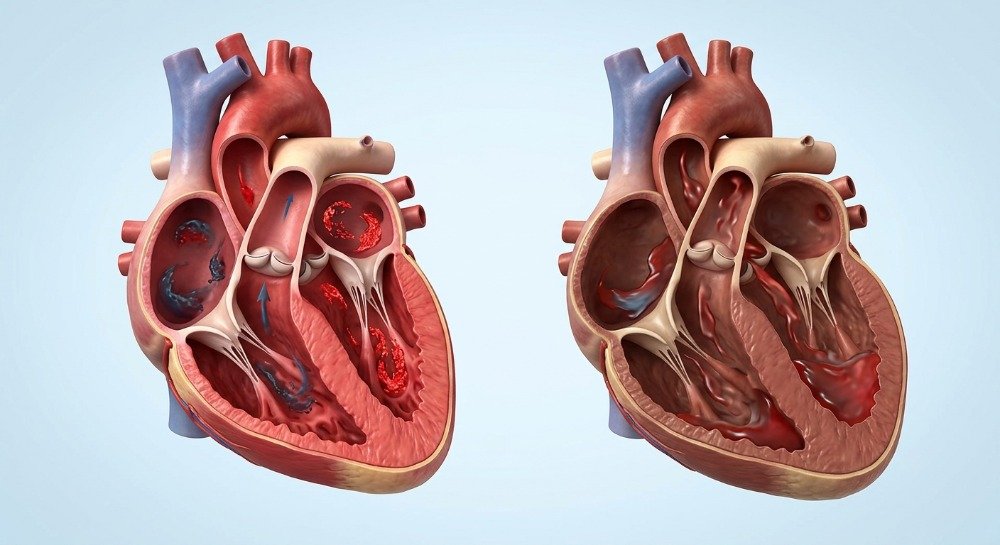
How Does the Heart Normally Work?
The heart is a powerful muscular pump divided into four chambers. With every heartbeat, it sends oxygen-rich blood throughout the body and returns oxygen-poor blood to the lungs. This continuous cycle supplies every organ with the oxygen and nutrients needed to function properly. A healthy heart adjusts automatically. It pumps faster during exercise and slows down during rest.
This balance keeps your body working efficiently. When congestive heart failure develops, that balance is disrupted. The heart can no longer pump blood with enough strength or fill with enough blood between beats. As circulation slows, fluid begins accumulating throughout the body, leading to many of the symptoms associated with heart failure.
What Causes Congestive Heart Failure?
Congestive heart failure is usually not caused by a single problem. Instead, it develops after another medical condition damages or weakens the heart over time. Some causes appear suddenly, while others slowly affect the heart over many years. The most common causes include:
1. Coronary Artery Disease
Coronary artery disease is one of the leading causes of heart failure. Fatty deposits narrow the heart’s arteries, reducing blood flow to the heart muscle. Over time, this lack of oxygen may weaken the heart and reduce its pumping ability.
2. High Blood Pressure
High blood pressure forces the heart to pump against greater resistance. The extra workload gradually makes the heart muscle thicker and weaker. Eventually, it may no longer pump blood efficiently.
3. Heart Attack
A heart attack permanently damages part of the heart muscle. The remaining healthy muscle must work harder to compensate, increasing the risk of developing congestive heart failure later.
4. Heart Valve Disease
Heart valves help blood move in the correct direction. When these valves become damaged or diseased, the heart has to work much harder to maintain normal circulation.
5. Cardiomyopathy
Cardiomyopathy refers to diseases that directly affect the heart muscle. These conditions may result from inherited disorders, infections, excessive alcohol use, or other underlying health problems.
5. Diabetes
People with diabetes have a higher risk of heart failure because high blood sugar can damage blood vessels and increase the likelihood of coronary artery disease and high blood pressure.
Although congestive heart failure symptoms often appear gradually, they should never be ignored if they continue getting worse. Related Guide: Hypertensive and Atherosclerotic Cardiovascular Disease
Who Is More Likely to Develop Congestive Heart Failure?
Although heart failure can affect adults of any age, some people have a higher risk than others. Risk factors include:
- High blood pressure
- Coronary artery disease
- Previous heart attack
- Diabetes
- Obesity
- Smoking
- High cholesterol
- Chronic kidney disease
- Family history of heart disease
- Older age
Having one or more of these risk factors does not guarantee heart failure. However, managing these conditions early may reduce the likelihood of developing the disease. Healthcare providers evaluate congestive heart failure symptoms together with medical history, physical examination, and diagnostic tests.
Can Congestive Heart Failure Be Prevented?
Not every case of heart failure can be prevented. However, many of the conditions that lead to heart failure can be managed before permanent heart damage occurs. Simple healthy habits can make a meaningful difference. These include:
- Keeping blood pressure under control
- Managing diabetes carefully
- Maintaining a healthy weight
- Staying physically active
- Following a heart-healthy eating pattern
- Avoiding smoking
- Limiting alcohol intake
- Attending regular medical checkups
Taking care of your heart today may lower your risk of serious complications in the future.
Congestive Heart Failure Symptoms
Congestive heart failure symptoms do not always appear suddenly. For many people, they develop slowly over weeks or even months. The changes may seem small at first. You may simply feel more tired than usual or become short of breath during activities that never caused problems before. Because these symptoms often progress gradually, they are easy to overlook. Some people blame aging, stress, or a lack of exercise. Others assume they just need more rest.
As the heart becomes less effective at pumping blood, however, the symptoms usually become more noticeable. Fluid begins collecting in different parts of the body, and important organs receive less oxygen than they need. This combination affects how you breathe, move, sleep, and perform everyday tasks. Recognizing these warning signs early may help prevent serious complications.
Early treatment is most effective when congestive heart failure symptoms are identified before significant heart damage occurs. Related Article: 5 Best Blood Pressure Monitors
Early Congestive Heart Failure Symptoms
The earliest symptoms are often mild. You may still be able to work, exercise, and complete daily activities, but they may require more effort than before. Although congestive heart failure symptoms vary from person to person, they usually become more noticeable as heart function declines. Early congestive heart failure symptoms commonly include:
- Mild shortness of breath
- Unusual tiredness
- Reduced exercise tolerance
- Swelling around the ankles
- Occasional coughing
- Feeling weaker than normal
These symptoms should not be ignored if they continue getting worse or begin affecting your daily routine. Tracking congestive heart failure symptoms every day can help both patients and healthcare providers monitor disease progression.
1. Shortness of Breath
Shortness of breath is one of the most common congestive heart failure symptoms. It usually happens because fluid begins collecting inside the lungs. This makes it harder for oxygen to move into the bloodstream, causing breathing to feel more difficult. At first, you may notice breathlessness only during physical activity.
Simple tasks such as climbing stairs, carrying groceries, or walking quickly may leave you feeling unusually winded. As heart failure progresses, breathing problems may occur even while resting. Some people also notice that lying flat makes breathing more difficult. They may need two or three pillows to sleep comfortably or wake up suddenly during the night feeling unable to catch their breath.
2. Constant Fatigue
Feeling tired after a busy day is normal. Feeling exhausted after simple activities is not. When the heart cannot pump enough blood efficiently, muscles and organs receive less oxygen. This leaves the body with less energy for everyday activities.
Many people describe this fatigue as different from ordinary tiredness. They may struggle to complete household chores, lose interest in activities they once enjoyed, or need frequent breaks throughout the day. Persistent fatigue is often one of the earliest signs that the heart is under increased stress.
3. Swelling in the Feet, Ankles, and Legs
Swelling is another common congestive heart failure symptom. Healthcare providers call this peripheral edema. When blood circulation slows, the kidneys begin retaining extra sodium and water. That excess fluid eventually settles in the lower parts of the body because of gravity. Many people first notice that:
- Shoes feel tighter.
- Socks leave deeper marks on the skin.
- Ankles appear swollen by evening.
- Legs feel heavy after standing.
The swelling may improve slightly overnight but often returns during the day if the underlying heart problem remains untreated.
4. Rapid Weight Gain
Sudden weight gain does not always mean body fat has increased. In people with congestive heart failure, it often means the body is retaining fluid. A gain of several pounds within a few days may be an early warning sign that heart failure is becoming worse.
This is why many healthcare providers encourage people living with heart failure to weigh themselves every morning under the same conditions. Unexpected changes should always be discussed with a healthcare professional. Not everyone experiences the same congestive heart failure symptoms, which is why medical evaluation is always important.
5. Persistent Cough or Wheezing
A cough that does not seem to improve may also be related to heart failure. Fluid inside the lungs can irritate the airways and trigger frequent coughing. Some people notice:
- A dry cough
- Wheezing
- Coughing that becomes worse when lying flat
- White or pink frothy mucus in more severe cases
Although coughing has many possible causes, a persistent cough combined with swelling or shortness of breath deserves medical evaluation. If your congestive heart failure symptoms suddenly become more severe, seek immediate medical attention.
6. Fast or Irregular Heartbeat
As the heart becomes weaker, it often tries to compensate by beating faster. This extra effort may cause the heartbeat to feel unusually rapid, irregular, or forceful. Some people describe this sensation as:
- Fluttering
- Racing
- Skipping beats
- Pounding in the chest
While occasional palpitations can occur for many reasons, frequent or persistent changes should be assessed by a healthcare provider.
7. Reduced Ability to Exercise
One of the first changes many people notice is that physical activity becomes more difficult. Walking the same distance may suddenly require several rest stops. Climbing stairs may leave you breathless. Activities that once felt easy may now seem exhausting. This reduced exercise tolerance often develops gradually, making it easy to overlook until daily life becomes noticeably affected.
8. Frequent Nighttime Urination
Some people with congestive heart failure notice they wake up several times during the night to urinate. During the day, fluid often collects in the legs because of gravity. When lying down at night, that fluid returns to the bloodstream and passes through the kidneys, increasing urine production. Although many conditions can cause nighttime urination, it may also be one of the signs of heart failure.
9. Difficulty Concentrating
The brain depends on a steady supply of oxygen-rich blood. When blood flow decreases, some people experience:
- Poor concentration
- Forgetfulness
- Mental fatigue
- Difficulty focusing
These symptoms are usually more common in advanced heart failure and should always be discussed with a healthcare provider.
Advanced Congestive Heart Failure Symptoms
Without proper treatment, congestive heart failure symptoms may gradually become more severe. Advanced symptoms may include:
- Severe shortness of breath while resting
- Significant swelling in the legs and abdomen
- Difficulty sleeping because of breathing problems
- Persistent fatigue throughout the day
- Rapid weight gain from fluid retention
- Loss of appetite
- Ongoing coughing or wheezing
These symptoms usually indicate that the heart requires prompt medical evaluation and adjustment of treatment.
Related Guide: What Is Rheumatoid Arthritis?
Emergency Warning Signs
Some congestive heart failure symptoms require immediate medical attention. Seek emergency care if you experience:
- Severe chest pain
- Extreme difficulty breathing
- Fainting
- Blue lips or fingertips
- Confusion that develops suddenly
- Coughing large amounts of pink frothy sputum
These symptoms may indicate a life-threatening complication and should never be ignored.
Early vs Advanced Congestive Heart Failure Symptoms
| Early Symptoms | Advanced Symptoms |
| Mild shortness of breath during activity | Breathlessness while resting |
| Mild ankle swelling | Severe swelling in legs and abdomen |
| Fatigue after exercise | Constant exhaustion |
| Reduced stamina | Difficulty performing basic daily activities |
| Occasional cough | Persistent cough with breathing difficulty |
| Slight weight gain | Rapid fluid-related weight gain |
Recognizing the difference between early and advanced symptoms can help people seek medical care before the condition becomes more difficult to manage.
How Is Congestive Heart Failure Diagnosed?
Recognizing congestive heart failure symptoms is only the first step. The next step is finding out what is causing them. Because several medical conditions can produce similar symptoms, healthcare providers use a combination of physical examinations, blood tests, imaging studies, and heart function tests to make an accurate diagnosis. Early diagnosis allows treatment to begin before the heart becomes more severely damaged.

Medical History and Physical Examination
Your healthcare provider will first ask about your symptoms. Understanding congestive heart failure symptoms can help people recognize the condition before serious complications develop. They may ask questions such as:
- When did your symptoms begin?
- Do you become short of breath while walking or resting?
- Have you noticed swelling in your legs or feet?
- Have you gained weight quickly over the last few days?
- Do you wake up during the night because of breathing problems?
They will also review your medical history. Conditions such as high blood pressure, diabetes, coronary artery disease, and previous heart attacks increase the likelihood of congestive heart failure. During the physical examination, the healthcare provider may check for:
- Swollen ankles or legs
- Fluid in the lungs
- Fast or irregular heartbeat
- Enlarged neck veins
- Changes in blood pressure
These findings help determine whether additional testing is needed.
1. Blood Tests
Blood tests provide important information about heart function and overall health. One commonly used test measures B-type natriuretic peptide (BNP) or NT-proBNP. These substances increase when the heart is under stress and can help support the diagnosis of heart failure.
Other blood tests may evaluate:
- Kidney function
- Liver function
- Thyroid function
- Blood sugar
- Electrolytes
- Complete blood count
These tests also help identify conditions that may worsen heart failure or affect treatment choices.
2. Electrocardiogram (ECG)
An electrocardiogram records the electrical activity of the heart. It can detect:
- Irregular heart rhythms
- Previous heart attacks
- Thickened heart muscle
- Conduction abnormalities
Although an ECG alone cannot confirm heart failure, it often provides valuable clues about the underlying cause.
3. Echocardiogram
An echocardiogram is one of the most important tests used to diagnose congestive heart failure. It uses sound waves to create moving images of the heart. This test helps healthcare providers evaluate:
- Heart size
- Pumping strength
- Heart valve function
- Blood flow
- Ejection fraction
The results help determine the type and severity of heart failure.
4. Chest X-Ray
A chest X-ray may show changes caused by heart failure. These may include:
- An enlarged heart
- Fluid around the lungs
- Fluid inside the lungs
This information helps explain why many people experience shortness of breath.
How Is Congestive Heart Failure Treated?
There is currently no cure for congestive heart failure. However, modern treatments can help control symptoms, improve heart function, reduce hospitalizations, and allow many people to live active lives. Treatment usually combines medication, lifestyle changes, and regular medical follow-up. Early treatment can reduce congestive heart failure symptoms and improve overall quality of life.
1. Medications
Several types of medicines are commonly used to manage congestive heart failure. Depending on your condition, your healthcare provider may prescribe medications that:
- Remove excess fluid from the body
- Lower blood pressure
- Reduce the heart’s workload
- Improve pumping efficiency
- Slow disease progression
- Control abnormal heart rhythms
Taking medications exactly as prescribed is one of the most important parts of treatment. Never stop or change your medication without speaking with your healthcare provider.
2. Medical Devices
Some people with advanced heart failure may benefit from specialized devices. These may include:
- Pacemakers
- Implantable cardioverter-defibrillators (ICDs)
- Cardiac resynchronization therapy (CRT)
These devices help improve heart rhythm and reduce the risk of life-threatening complications in selected patients.
3. Surgery
When medications alone are no longer effective, surgery may be considered. Depending on the underlying cause, treatment may include:
- Heart valve repair or replacement
- Coronary artery bypass surgery
- Ventricular assist devices
- Heart transplantation in carefully selected patients
The most appropriate option depends on the severity of the condition and the patient’s overall health.
Can Congestive Heart Failure Be Prevented?
Not every case can be prevented. However, many of the conditions that lead to heart failure can be controlled before permanent heart damage occurs. Healthy daily habits play an important role in protecting the heart. Managing blood pressure, diabetes, and cholesterol may lower the risk of developing congestive heart failure symptoms later in life.

1. Keep Blood Pressure Under Control
High blood pressure is one of the leading causes of heart failure. Regular monitoring, healthy eating, physical activity, and prescribed medications can help maintain healthy blood pressure levels.
2. Manage Diabetes
High blood sugar can damage blood vessels and increase the risk of cardiovascular disease. Following your diabetes treatment plan helps reduce this risk.
3. Stay Physically Active
Regular exercise strengthens the heart and improves circulation. Most adults benefit from at least 150 minutes of moderate physical activity each week, unless their healthcare provider recommends otherwise. Activities such as walking, swimming, and cycling are excellent choices.
4. Eat a Heart-Healthy Diet
A balanced eating pattern supports both heart health and overall wellness. Choose foods such as:
- Fruits
- Vegetables
- Whole grains
- Beans
- Fish
- Nuts
- Olive oil
Limit foods high in:
- Salt
- Saturated fat
- Added sugar
- Highly processed ingredients
Reducing sodium intake may also help prevent fluid retention.
5. Maintain a Healthy Weight
Excess body weight increases the workload on the heart. Even modest weight loss may improve blood pressure and reduce cardiovascular risk.
6. Avoid Smoking
Smoking damages blood vessels, reduces oxygen delivery, and significantly increases the risk of heart disease. Stopping smoking is one of the most effective ways to protect long-term heart health.
7. Limit Alcohol
Heavy alcohol consumption can weaken the heart muscle over time. If you drink alcohol, follow your healthcare provider’s recommendations.
8. Attend Regular Health Checkups
Routine medical visits help identify conditions such as:
- High blood pressure
- Diabetes
- High cholesterol
Treating these conditions early may lower the risk of developing congestive heart failure later in life.
FAQs
If your congestive heart failure symptoms suddenly become worse, seek immediate medical attention.
Can congestive heart failure be cured?
There is currently no permanent cure for congestive heart failure. However, early diagnosis, medications, healthy lifestyle changes, and regular medical care can successfully manage symptoms and improve quality of life.
Can congestive heart failure symptoms improve?
Yes. Congestive heart failure symptoms often improve with medications, healthy lifestyle changes, regular follow-up, and treatment of the underlying heart condition.
What is usually the first symptom of congestive heart failure?
Many people first notice shortness of breath during physical activity or unusual fatigue. Mild swelling in the ankles or feet may also appear early.
Is congestive heart failure life-threatening?
It can become serious if left untreated. Early diagnosis and proper treatment greatly improve long-term outcomes for many patients.
Can people live a normal life with congestive heart failure?
Many people continue working, exercising, and enjoying daily activities with appropriate treatment, healthy lifestyle habits, and regular medical follow-up.
When should I seek emergency medical care?
Seek immediate medical attention if you experience:
- Severe chest pain
- Extreme difficulty breathing
- Fainting
- Blue lips or fingertips
- Sudden confusion
- Coughing pink, frothy mucus
These symptoms may indicate a medical emergency.

Conclusion
Congestive heart failure is a long-term condition, but it does not mean life has to stop. Many people continue to live active and fulfilling lives when the disease is diagnosed early and managed properly. Recognizing congestive heart failure symptoms is one of the most important steps in protecting your health.
Shortness of breath, persistent fatigue, swelling in the legs or feet, rapid weight gain, and ongoing coughing should never be ignored, especially if they continue getting worse. If you notice these warning signs, schedule an appointment with your healthcare provider as soon as possible. Early evaluation allows treatment to begin before severe complications develop.
Taking care of your heart through healthy eating, regular physical activity, blood pressure control, diabetes management, and routine medical checkups can also reduce your risk of future heart problems. Small lifestyle changes made today can make a meaningful difference to your heart health for years to come. Never ignore persistent congestive heart failure symptoms, especially if they continue getting worse or interfere with normal daily activities.