
Dealing with bone thinning or osteoporosis can feel overwhelming, especially when your doctor suggests moving from daily pills to an injectable medication. One of the most frequently prescribed treatments is Prolia Injection
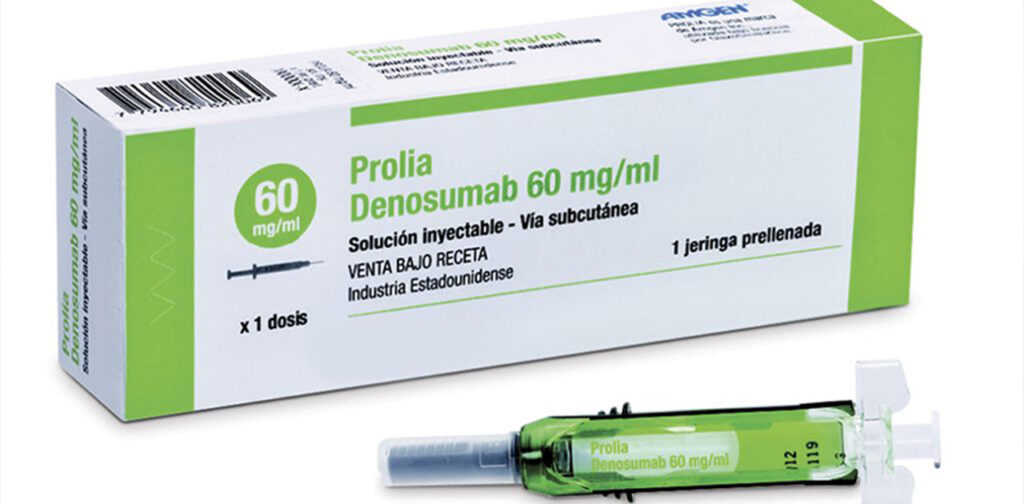
To help our health community navigate this treatment safely and financially, we have gathered medical and insurance data to answer your most burning questions about Prolia.
What is a Prolia Injection?
Prolia is the brand name for denosumab, a prescription biological medication used to treat osteoporosis and severe bone loss.
Unlike vitamins or minerals that simply try to “add” calcium to your bones, Prolia targets the cellular root cause of bone thinning. It is a monoclonal antibody (a targeted biological blocker) that stops specific cells in your body called *osteoclasts* from breaking down and destroying your bone tissue. By halting this breakdown process, Prolia helps increase bone mass and significantly lowers your risk of painful spine, hip, and wrist fractures.
Doctors typically prescribe Prolia for Postmenopausal women with osteoporosis who are at a high risk for bone fractures. Men with osteoporosis at high fracture risk. Patients who cannot tolerate or haven’t seen results from traditional oral osteoporosis pills (bisphosphonates).
How to Use a Prolia Injection
Prolia is not a medication you can inject at home or pick up casually from a standard pharmacy counter.
Dose and Administration
Prolia is administered as a single 60 mg injection once every 6 months. It must be injected subcutaneously (just beneath the skin) by a licensed healthcare professional in a clinical setting—such as your doctor’s office, an outpatient clinic, or via a certified home health nurse. The injection is typically given in the upper arm, upper thigh, or abdomen.
Prolia Injection is a crucial supplement
Because Prolia stops bone breakdown quickly, it can cause your blood calcium levels to drop. To prevent this, your doctor will instruct you to take **daily Calcium (usually 1,000 mg) and Vitamin D (at least 400 IU)** supplements throughout your entire time on Prolia.
How Much Does a Prolia Injection Cost?
The price of Prolia can vary dramatically depending on whether you are paying completely out-of-pocket or utilizing insurance.
Retail Price Without Insurance: The average retail cost for a single 1 mL prefilled syringe of Prolia (60 mg/mL) ranges from $2,300 to $2,500. Because you need two doses a year, the annual cost without coverage is roughly $4,600 to $5,000.
With Private/Commercial Insurance: If your plan covers it, your out-of-pocket copay could drop significantly. Furthermore, the drug’s manufacturer (Amgen) offers a SupportPlus Co-Pay Program* that can lower out-of-pocket costs to as little as $0 per dose for eligible commercially insured patients.
How Long After a Prolia Injection Do Side Effects Start?
Understanding the timeline of side effects can give you peace of mind during your treatment. Side effects from Prolia generally fall into two timeline categories:
Immediate to Short-Term Side Effects (Days 1 to 14)
Within the first few days to two weeks following your injection, you may experience mild, temporary symptoms as your body adjusts to the biological block. These include:
Injection site reactions (mild redness, swelling, or pain where the needle entered).
Muscle, back, or joint pain (the most common complaint, which usually peaks in the first week and fades).
Mild headaches or fatigue.
Prolia Injection Long-Term Side Effects (Months to Years)
Serious side effects are rare but are tied to how the medication alters your body’s bone remodeling and immune pathways over time:
Low Blood Calcium (Hypocalcemia): Can happen at any point if you aren’t taking your daily supplements. Symptoms include muscle spasms, cramps, or tingling in your fingers and toes.
Severe Skin Infections (Cellulitis): Prolia affects your immune system slightly, making you more prone to skin infections. Watch for warmth, swelling, or extreme redness.
Jaw Bone Issues (ONJ): Osteonecrosis of the jaw is an incredibly rare but severe condition where the jaw bone fails to heal. It is usually triggered by invasive dental work (like tooth extractions) while on the drug.
Can I Stop Prolia After One Injection?
Critical Warning: You should never stop taking Prolia or skip a dose without an explicit transition plan created by your doctor.
Unlike traditional bone medications that linger in your bones for years, Prolia leaves your system completely around the 6-month mark. When it wears off, your body experiences a severe “rebound effect.
If you stop Prolia after just one injection, your bone breakdown cells turn back on rapidly and aggressively. This causes sudden, accelerated bone loss that wipes out all the strength you gained from the injection. More dangerously, this rapid drop in bone density significantly increases your risk of multiple spinal fractures within months of missing your dose. If you must stop Prolia, your doctor will need to immediately transition you onto an oral medication to “lock in” and protect your bone density.
Does Medicare Cover Prolia Injections?
Yes, Medicare provides robust coverage for Prolia injections, but how it covers them depends on the setting.
Because Prolia must be administered by a medical professional in a clinic, it is overwhelmingly covered under Medicare Part B (Medical Insurance) rather than Part D (Pharmacy/Prescription Insurance).
Prolia Injection Cost Breakdown
Original Medicare Part B: Once you meet your annual Part B deductible, Medicare covers 80% of the Medicare-approved amount for the injection and the office visit. You are responsible for the remaining 20% coinsurance out-of-pocket (which usually amounts to roughly $350 to $400 per injection).
Medigap (Supplemental Insurance): If you have a Medigap plan (like Plan G), it will typically pay that remaining 20% coinsurance for you, dropping your out-of-pocket Prolia cost to $0.
Medicare Advantage (Part C): These private plans cover Prolia as well, but they often require your doctor to submit a **prior authorization** form to prove medical necessity before they will approve the payment.
How Often Will Medicare Pay for Prolia Injections?
Medicare follows the strict, FDA-approved clinical schedule for osteoporosis management.
Medicare Part B will pay for Prolia exactly once every 6 months (twice per year), provided your healthcare provider maintains documentation showing that the treatment remains medically necessary for your ongoing bone health.
Final Thoughts
Prolia is a powerful tool against osteoporosis, but its success relies on strict consistency and financial planning. If you are on Medicare, verify your specific copay rates with your provider beforehand, take your daily calcium supplements, and never skip your 6-month appointment without a backup plan from your doctor.